British beauty culture is a distinctive mix of understatement, eccentricity, and practicality: the “no-makeup makeup” look alongside bold punk and goth traditions, heritage brands alongside cutting-edge independents, and a national habit of favouring skincare that works over beauty that shouts. Understanding British beauty culture means understanding how Britain’s history, climate, media, and regions have shaped what people put on their faces — and why British beauty looks different from French, American, or Korean beauty. In this guide to British beauty culture, we trace its roots, its regions, its icons, and its modern directions.
British beauty has long favoured a natural, understated ideal. The classic British look — clear skin, flushed cheeks, groomed brows, a touch of colour — reflects a culture that historically distrusted obvious artifice, especially in contrast to the more polished ideals of continental Europe. That understatement is not the whole story, however: Britain also produced some of the boldest beauty subcultures in the world, from 1970s punk makeup to the goth aesthetic, from Mod sharpness to the glamour of British fashion photography.
The Roots of British Beauty Culture
British beauty culture grew from several traditions. The first is the heritage of British apothecaries and chemists, who made skincare and remedies long before modern cosmetics existed, and whose practical, ingredient-focused approach still shapes British skincare. The second is the influence of British fashion — from London’s designers to its street styles — which has repeatedly turned beauty into a form of self-expression rather than mere decoration.
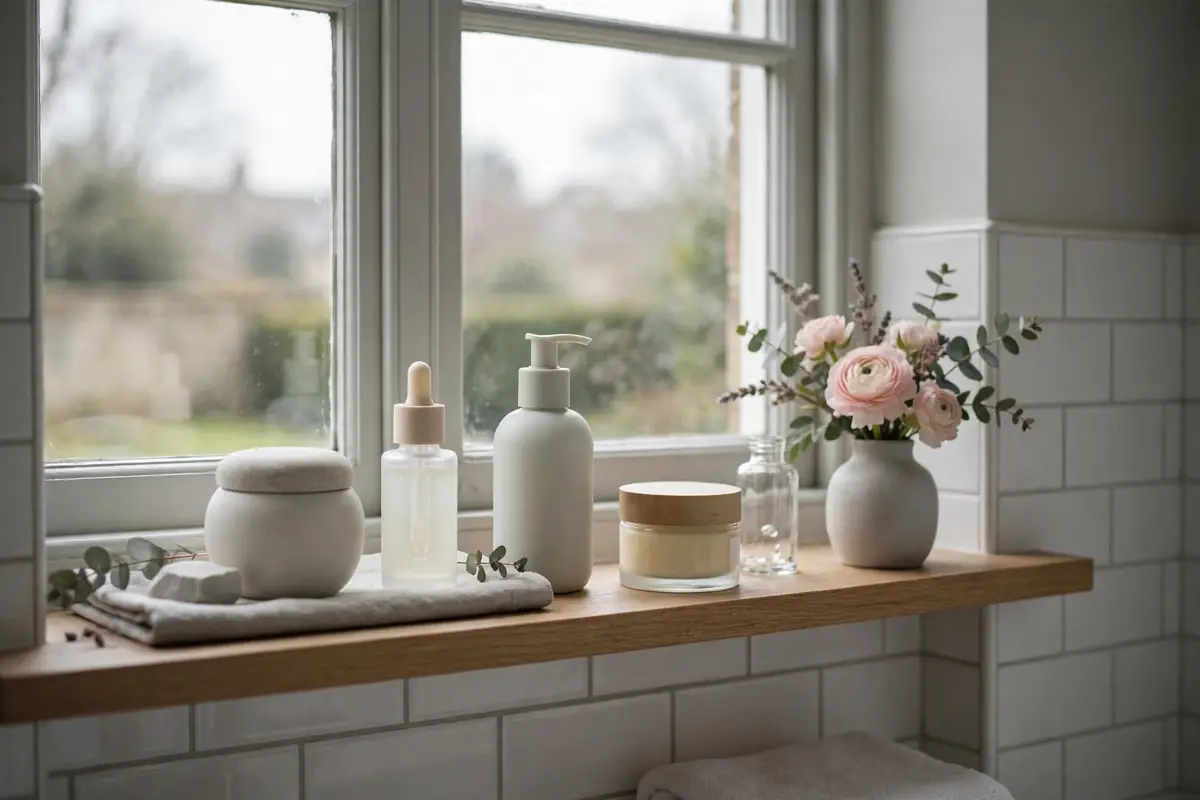
The third is Britain’s climate and light: soft, changeable daylight and a cool climate favour lighter textures, natural finishes, and skincare that protects against wind and damp rather than sun and heat. British beauty products often reflect that reality — hydrating creams, gentle cleansers, and makeup designed to look good in grey daylight as well as evening light.
Our guide to British skincare culture covers the skincare side in depth, including the habits, routines, and quiet revolutions that define how Britons care for their skin.
British Beauty Across Regions and Generations
British beauty is not uniform: London, Manchester, Birmingham, Glasgow, Edinburgh, Cardiff, and Belfast each have their own beauty scenes, shaped by local fashion, music, and community. London’s beauty culture is fast-moving and trend-led, with flagship stores, new brands, and creator culture. Northern cities bring their own strong identities — Manchester’s music-influenced styles, Glasgow’s bold makeup traditions, and the distinctive beauty scenes of Wales and Northern Ireland.
Generations differ too. Older British women often favour classic, reliable products and understated routines, while younger generations — Gen Z and millennials — embrace experimentation, skincare-first routines, and values-led brands that prioritise sustainability, inclusivity, and transparency. These generational differences are not conflicts but layers: British beauty culture holds tradition and reinvention side by side.
For wider beauty context, see our guides to beauty writing, the UK beauty industry, luxury beauty, sustainable beauty, and beauty statistics UK.
British Beauty Icons and Influences
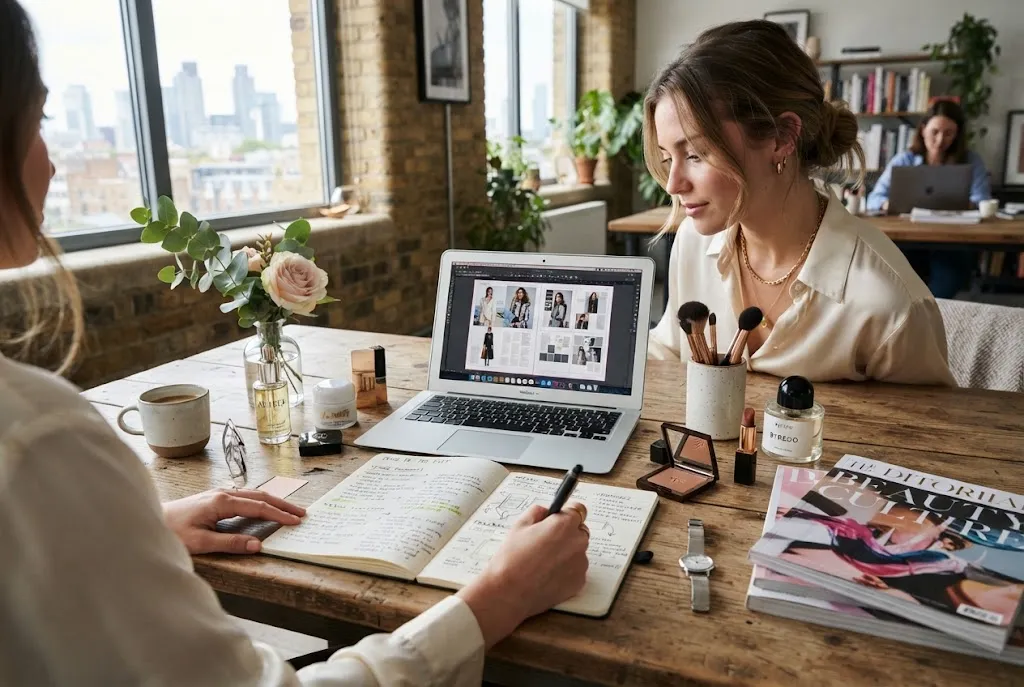
British beauty icons range from heritage brands — the chemists, perfumers, and skincare houses that have served Britain for generations — to modern creators and influencers who shape trends through social media. British beauty media, from magazines to online creators, has long mediated between high fashion and everyday routines, translating runway looks into wearable styles.
Subcultures remain a vital part of British beauty: punk’s confrontational makeup, goth’s dramatic palettes, Mod precision, and the many regional and community styles that resist mainstream homogenisation. These subcultures remind us that British beauty culture is not one look but many — and that its strength lies in that diversity.
Modern British Beauty: Inclusivity and Sustainability
Modern British beauty culture is increasingly defined by inclusivity and sustainability. Shade ranges have expanded, haircare for textured hair has grown, and brands led by Black British and multicultural founders have gained prominence. Sustainability — refillable packaging, cleaner ingredients, reduced waste — has moved from niche concern to mainstream expectation, especially among younger shoppers.
At the same time, British beauty retains its characteristic understatement: even bold trends are often worn with a certain restraint, a sense that beauty should enhance rather than mask. That balance — between expression and understatement, tradition and innovation — is what makes British beauty culture distinctive.
For the motoring side of British culture, see our companion guide to Ford’s place in British society, which explains how one car brand became woven into British daily life.
British Beauty and Everyday Life
For most Britons, beauty culture is not about runways or red carpets but about everyday routines: the morning skincare ritual, the reliable products kept in the bathroom cabinet, the haircut that frames the week, and the small choices that make someone feel put together. British beauty culture lives in these routines as much as in its icons — in the preference for products that work quietly, in the loyalty to brands that have served families for years, and in the willingness to try something new without abandoning what already works.
That everyday character is also why British beauty travels well: its emphasis on natural finishes, practical skincare, and understated elegance suits many climates and many faces. Visitors often notice it in British streets — a look that seems effortless because it is built on routine rather than occasion. It is beauty as habit, not performance, and that habit is one of British culture’s quieter strengths.
Final Thoughts
British beauty culture is a story of understatement and eccentricity, heritage and reinvention, regional identity and national character. From the apothecary tradition to punk makeup, from London flagships to Northern scenes, from classic routines to sustainable innovation, it reflects Britain itself — practical, diverse, and quietly distinctive. Understanding it helps shoppers, brands, and creators alike navigate a beauty landscape that is far richer than any single look suggests.