British skincare culture is best understood not through bathroom cabinets full of products. Above all, it is an attitude: practical, understated and faintly sceptical of fuss. In Britain, skincare has traditionally been something you simply got on with. It was fitted around work, weather and the weekly shop, rather than treated as a performance. Yet that quiet approach is changing. Social media, global beauty trends and a more ingredient-aware generation are reshaping habits. Even so, the national instinct remains the same. Keep it simple, keep it sensible, and do not spend money for the sake of it.
This article explores how UK skincare culture developed and how the British climate shapes everyday choices. It also looks at what British skincare routines actually look like in real life. It is a cultural story rather than a shopping list. It is about trust, thrift, weather and community. It is also about a growing curiosity, one that sits comfortably alongside a very British reluctance to overdo things.
The Roots of British Skincare Culture: Simple, Unfussy and Trusted
For much of modern British life, skincare began on the high street. The local chemist was where cleansers, cold creams and moisturisers were bought. It was the pharmacy everyone knew by sight, and most people went there for toothpaste and plasters too. People chose products because they were familiar and affordable. Often, a parent or grandparent had used them first, and that recommendation was enough. Loyalty was quiet but strong. Once a product worked its way into a routine, it tended to stay there for years.
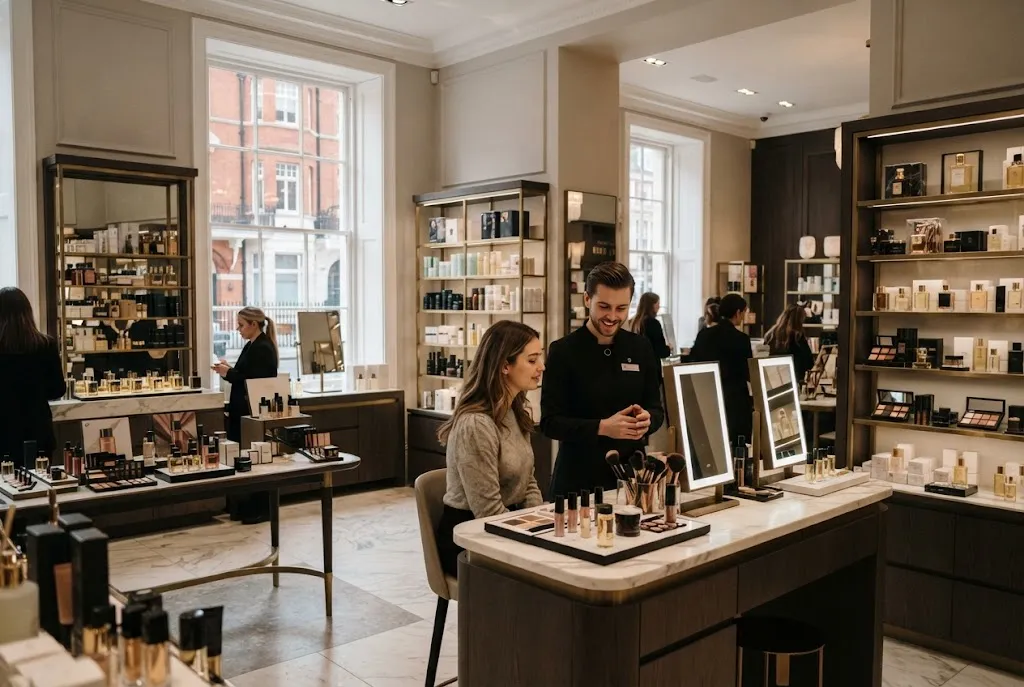
That heritage explains a lot about the British skincare lifestyle today. There is a long-standing preference for products that earn their place. There is also a suspicion of exaggerated claims, and a certain pride in not needing very much. Even the contrast with luxury beauty is telling. Britain has always had its indulgent counters and heritage brands. Yet the everyday culture has remained grounded in value, habit and trust, rather than display.
How the British Climate Shapes Skincare Habits UK Readers Will Recognise
Anyone who has lived through a British winter knows why the weather looms large in skincare habits UK households share. The climate is famously changeable. Damp mornings, sudden sunshine, biting winds and weeks of grey skies can all arrive in the same month. Skin faces cold air on the commute, then dry warmth from central heating indoors. Routines flex around that constant shifting between damp streets and heated rooms. British skincare culture is, in this sense, weather culture.
Hard water is part of the story in many areas too. It leaves skin and hair feeling different after washing than they do in softer-water regions. That is one reason gentle cleansing and reliable moisturising became such ingrained habits. None of this is dramatic; it is simply practical. British routines aim less at perfection than at coping comfortably with whatever the forecast decides to do next.
British Skincare Trends: Global Influences, Local Instincts
The biggest shift in recent years has come from the phone rather than the pharmacy shelf. Social media has brought global influences into British bathrooms. The most visible are the multi-step routines and layering ideas associated with K-beauty. British skincare trends now borrow freely from Korea, France, Japan and the United States. Yet they are usually adapted rather than copied wholesale. They are trimmed down to fit smaller bathrooms, busier mornings and tighter budgets.
Ingredient literacy has grown alongside this. Terms that once belonged in specialist blogs are now everyday conversation. Ceramides, niacinamide, retinoids and peptides are checked on labels in shop aisles. SPF awareness is growing in the same way. Sun protection is increasingly treated as an ordinary daily habit. It is no longer reserved for holidays and heatwaves, even under Britain’s famously unreliable sunshine. In other words, British skincare culture is learning globally and editing locally.
The Rise of the Skincare Community UK
Perhaps the most British thing about the new skincare world is how sociable it has become. The skincare community UK readers join online swaps routines and compares ingredient lists. In forums, comment sections, video channels and group chats, members share honest reviews. They cover high-street staples and new launches alike. Ingredient-checker tools and long, detailed review threads help here. They have made ordinary shoppers far more confident about questioning claims and reading the small print.
This community spirit has changed who counts as an expert. Alongside professionals, trusted creators and experienced forum regulars now shape what people try. Their tone is often more like a recommendation from a friend than an advertisement. It suits Britain well. Word of mouth was always how the favourite chemist brands spread. The internet has simply given that habit a much larger room.
Who Are UK Skincare Consumers Today?
UK skincare consumers are not one audience but several, layered by generation. Older shoppers often keep the routines they trust, buying the same dependable products for decades. Younger consumers, raised on tutorials and reviews, experiment more freely and read ingredient lists as a matter of course. Between them sits a large middle group that mixes both worlds. A long-trusted moisturiser sits on the shelf beside a serum discovered online. The wider UK beauty industry reflects this blend of loyalty and curiosity.
Men’s grooming is the other quiet overlap. Skincare was once marketed almost entirely to women. It is now an ordinary part of many men’s routines. That can mean a simple moisturiser after shaving, or more considered evening habits borrowed from partners, friends and creators. The change has been gradual rather than revolutionary, which is precisely why it has stuck. It arrived as common sense, not as a fad.
Sustainability, Skinimalism and the British Skincare Lifestyle
If there is a trend that feels especially at home in Britain, it is doing more with less. Sustainable beauty appeals to a culture that dislikes waste and keeps an eye on value. It means refillable packaging, fewer single-use plastics, solid formats and products that last. Skinimalism, the move towards shorter routines built around a few well-chosen products, fits the same instinct. It is less a rejection of skincare than a return to its British roots.
There is also a practical side to it. A shorter routine costs less, takes less time and makes it easier to notice what actually suits your skin. Buying one product and finishing it before opening the next has become a small point of pride. It is the skincare equivalent of mending, reusing and making things last.
British Skincare Routines: Morning vs Evening
So what do British skincare routines actually look like day to day? This is where British skincare culture becomes visible. Routines vary by skin, season and schedule. But a typical pattern is easy to recognise. It is brisk and protective in the morning, and slower and more restorative in the evening.
A Typical British Morning Routine
Mornings tend to be efficient. Many people rinse with water or use a gentle cleanser. They apply a moisturiser suited to the season. On days outdoors, many finish with sun protection. That step has moved from afterthought to habit for a growing number of people. Then it is straight on with the day: school run, commute, dog walk, whatever the weather is doing.
A Typical British Evening Routine
Evenings are when the day is washed off — literally. A more thorough cleanse removes sunscreen, make-up and city grime. This is also when targeted products tend to appear. A hydrating serum is one example, or a treatment step used a few times a week. A richer night moisturiser often replaces the lighter daytime one in winter. For many people, this is also the enjoyable part. It offers a few unhurried minutes that mark the end of the working day.
Skincare Culture Britain: Where It Is Heading
Where does skincare culture Britain go from here? Probably not towards ever-longer routines. The direction of travel looks more like a settling. People have absorbed global knowledge and now read ingredient lists with confidence. Routines are then edited back down to what genuinely earns its place. The pharmacy staple and the viral serum will go on sharing the same shelf.
That balance — curious but not credulous, modern but not wasteful — is the heart of British skincare culture. It has never really been about having the most products. It is about knowing your weather and trusting what works. It is about listening to people whose judgement you value. And it is about keeping the whole business in cheerful proportion. In Britain, good skincare, like a good umbrella, is something sensible you are glad to have when you need it.