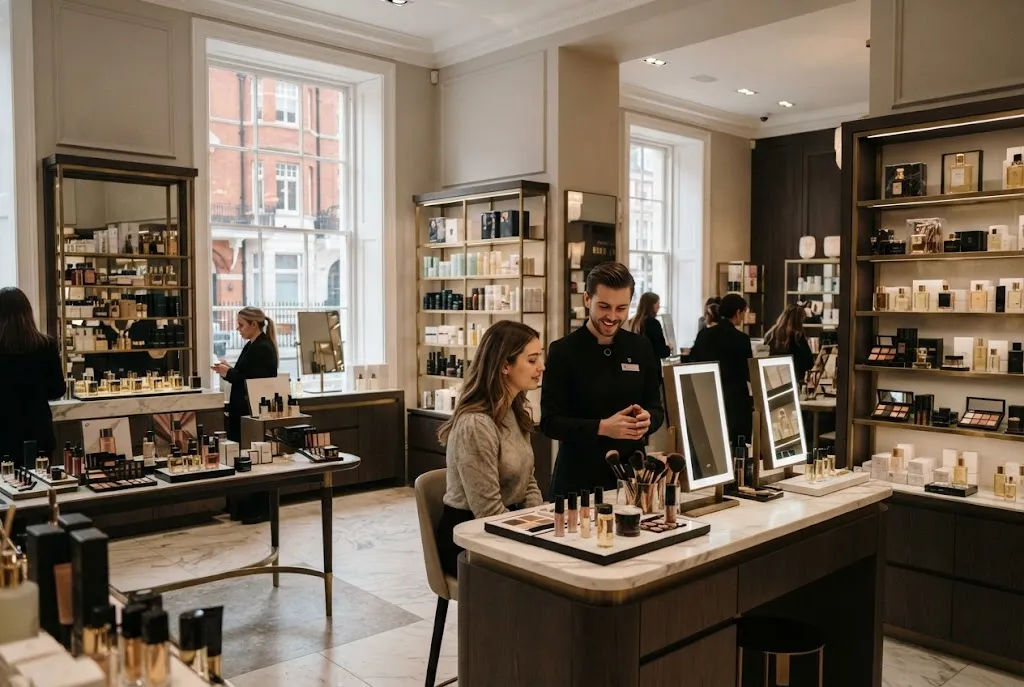
Sustainable beauty is changing how people think about skincare, cosmetics, haircare and personal care. Instead of focusing only on how a product looks or performs, consumers are increasingly interested in where ingredients come from, how products are manufactured, what happens to packaging after use and how much waste a beauty routine creates. For UK shoppers, this shift is creating new opportunities to make more considered choices without giving up quality or convenience.
However, sustainable beauty is not simply about choosing products labelled “natural” or “eco-friendly”. A genuinely more responsible approach requires looking at the complete product lifecycle, from ingredients and manufacturing to packaging, transportation, use and disposal.
What Is Sustainable Beauty?
Sustainable beauty refers to beauty products, services and routines designed to reduce environmental impact while maintaining useful performance and responsible business practices. The concept can apply to skincare, makeup, haircare, fragrance, toiletries and professional beauty services.
There is no single definition that makes a product automatically sustainable. A brand might reduce plastic packaging, use recycled materials, develop refillable containers, source ingredients more responsibly or reduce waste during manufacturing. Each action addresses a different part of the environmental challenge.
For consumers, the most useful approach is therefore to look at the whole picture rather than relying on one sustainability claim.
Why Sustainable Beauty Matters
The beauty industry depends on substantial amounts of packaging, ingredients, energy, water and transportation. Individual products may appear small, but millions of purchases can create significant demand for materials and resources.
Packaging is particularly visible. Bottles, jars, tubes, pumps, cartons and protective wrapping can all become waste after a product has been used. Some packaging is straightforward to recycle, while other formats combine several materials or contain components that make recycling more difficult.
Sustainable beauty aims to address these challenges by encouraging better design, more efficient resource use and longer product lifecycles.
The goal is not necessarily to create a completely impact-free beauty routine. Instead, it is about identifying practical opportunities to reduce unnecessary environmental impact.
Sustainable Skincare and Everyday Routines
Sustainable skincare can begin with simple changes rather than a complete replacement of an existing routine. Buying only products that are genuinely needed can reduce waste, while using products according to their intended purpose can help prevent unnecessary disposal.
A streamlined routine may also have environmental advantages. If someone regularly buys multiple products but uses only a small proportion of each, the unused remainder can eventually become waste. Choosing products carefully and finishing them before purchasing replacements can make a routine more efficient.
Consumers can also examine packaging formats. Refillable containers, concentrated formulas and packaging made from recycled or recyclable materials can offer alternatives to conventional single-use formats, although the environmental benefit depends on how the system is designed and actually used.
Look Beyond the Front Label
Words such as “natural”, “clean” and “green” can sound appealing, but they do not automatically provide a complete picture of environmental performance. Consumers should look for specific information about packaging, sourcing, manufacturing and disposal.
Clear sustainability information is generally more useful than broad environmental language without supporting details.
Sustainable Cosmetics and Makeup Choices
Sustainable cosmetics cover a wide range of products, including foundation, concealer, mascara, lipstick, blush and eye makeup. Because makeup often involves several components in one product, packaging design can be an important consideration.
For example, a makeup product may contain a primary container, outer carton, applicator and additional protective materials. Reducing unnecessary components can help limit material use.
Refillable makeup systems are another approach. Instead of replacing an entire compact or container, consumers may be able to replace only the product inside. The success of this model depends on whether customers actually reuse the original packaging and whether replacement products are readily available.
When considering sustainable cosmetics, it is therefore useful to ask practical questions: Can the packaging be reused? Can it be recycled locally? Is the refill system convenient? How much packaging is actually necessary?
Eco Friendly Beauty Packaging
Packaging is one of the most visible areas where sustainable beauty can make a difference. Beauty companies have experimented with recycled plastics, glass, aluminium, paper-based packaging, refill containers and reduced packaging designs.
Yet material choice alone does not determine environmental impact. A heavier package may require more resources to produce and transport, while a lightweight package may use less material but create recycling challenges.
Consumers should therefore consider the entire lifecycle of packaging rather than assuming that one material is always better than another.
Refillable Packaging
Refill systems can extend the useful life of a primary container. Instead of throwing away the original bottle or jar, customers purchase a replacement format that uses the existing container.
This approach can work particularly well when the packaging is durable, the refill is widely available and the customer continues using the system over time.
Recyclable Packaging
Recyclability can be helpful, but consumers should check whether the relevant packaging is actually accepted through local recycling systems. A package being technically recyclable does not necessarily mean that every local collection service processes it.
Removing excess components and following disposal instructions can make recycling more effective.
Zero Waste Beauty: What Does It Really Mean?
Zero waste beauty is an approach focused on preventing unnecessary waste and keeping materials in use for as long as possible. In practice, achieving literally zero waste is difficult, particularly because beauty products involve manufacturing, transportation, ingredients and packaging.
A more practical interpretation is to reduce avoidable waste wherever possible.
This might include finishing products before replacing them, selecting reusable accessories, avoiding unnecessary packaging and choosing refillable formats when they genuinely suit the user’s routine.
Consumers can also reduce waste by buying appropriate quantities. Larger packaging may sometimes reduce packaging per unit of product, but only if the product will be fully used before it expires or becomes unsuitable.
Circular Beauty and the Product Lifecycle
Circular beauty takes sustainability a step further by considering what happens to products and materials throughout their lifecycle. The idea is to keep resources in circulation for longer instead of following a simple pattern of production, purchase and disposal.
Refilling, reuse, recycling and responsible material recovery can all contribute to a circular approach. Product design becomes especially important because packaging and components need to be suitable for the next stage of their lifecycle.
For beauty businesses, circular thinking can influence product development from the beginning. Designers can consider how easily packaging can be separated, reused or recycled before a product reaches the market.
This is also an area where consumers can influence brands. When customers consistently choose practical refill systems and responsibly designed products, companies have greater commercial reasons to continue developing them.
Understanding the Beauty Carbon Footprint
The beauty carbon footprint includes emissions associated with different stages of a product’s lifecycle. These may include raw material sourcing, manufacturing, packaging production, transportation, retail and disposal.
That makes carbon impact more complicated than simply looking at whether a package is plastic or glass.
For example, transportation requirements, production processes and product weight can all influence emissions. The way a consumer uses a product can matter as well, particularly for products that require heated water or other energy-intensive routines.
Beauty brands seeking to reduce their carbon footprint may therefore examine their supply chains, energy use, manufacturing processes, packaging and logistics.
How to Build a More Sustainable Beauty Routine
A greener beauty routine does not have to be expensive or complicated. Small, consistent decisions can make the approach more practical.
1. Use What You Already Own
Before buying another product, check what is already in your bathroom or makeup bag. Finishing suitable products before replacing them can reduce unnecessary consumption.
2. Buy With a Purpose
Consider whether a new product fills a genuine need. Avoiding impulse purchases can reduce both spending and product waste.
3. Examine Packaging
Look at how much packaging a product uses and whether it can be reused, refilled or recycled through available systems.
4. Choose Durable Accessories
Reusable makeup tools and beauty accessories can sometimes replace disposable alternatives. Clean and maintain them properly so they remain useful for longer.
5. Follow Disposal Instructions
Do not assume every beauty container belongs in the household recycling bin. Check the manufacturer’s guidance and your local recycling arrangements where appropriate.
Green Beauty Claims and Consumer Awareness
As interest in sustainable beauty grows, environmental claims have become an increasingly important part of beauty marketing. Consumers should therefore distinguish between specific, verifiable information and vague claims.
A company that explains what material its packaging contains, how a refill system works or what steps it has taken to reduce waste gives consumers more useful information than a broad claim with no supporting explanation.
In the UK, environmental marketing is also subject to consumer protection rules. The Green Claims Code from the Competition and Markets Authority provides guidance for businesses making environmental claims about products and services.
This is particularly relevant to beauty because sustainability has become an important purchasing consideration. Clear communication helps consumers make decisions based on meaningful information rather than marketing language alone.
Sustainable Beauty in the UK Market
The UK beauty market includes established international brands, independent businesses, specialist retailers, salons and emerging companies. Sustainability can therefore take many forms across the sector.
Some businesses may focus on packaging innovation, while others may concentrate on ingredient sourcing, product formulation, supply-chain efficiency or refill services. Professional beauty businesses can also examine waste reduction, energy consumption and purchasing practices.
This broad approach matters because sustainability is not limited to skincare or cosmetics. It can influence the wider UK beauty industry and the way businesses design, market and deliver products and services.
Luxury Beauty and Sustainability
Sustainability is not limited to budget or mass-market products. Luxury beauty brands are also exploring ways to combine premium presentation with more responsible packaging and product design.
Luxury products often place considerable emphasis on presentation, which creates a particular challenge: premium packaging can use multiple materials and decorative components. At the same time, durable containers and refillable designs can create opportunities to extend product lifecycles.
Consumers interested in this intersection can explore luxury beauty to understand how premium products and changing expectations are shaping the market.
Is Sustainable Beauty More Expensive?
Not necessarily. Some sustainable products can cost more because of specialised materials, smaller production runs, refill systems or sourcing practices. However, sustainability can also involve consuming less rather than simply buying different products.
Using products completely, reducing impulse purchases and choosing durable or refillable formats can sometimes lower the amount spent over time.
The most sustainable choice is therefore not always the product with the highest price or the strongest environmental marketing. A product that is genuinely useful, lasts a reasonable amount of time and creates less avoidable waste may be a more practical choice.
The Future of Sustainable Beauty
Sustainable beauty is likely to remain an important part of the industry’s development as consumers, businesses and regulators pay greater attention to environmental claims and resource use.
Future innovation may involve better refill systems, improved packaging design, more transparent supply chains, material recovery and product formats designed with their entire lifecycle in mind.
For consumers, the biggest opportunity is to become more selective. Rather than searching for a perfect product that claims to solve every environmental problem, it is more realistic to look for measurable improvements and make thoughtful choices consistently.
Final Thoughts on Sustainable Beauty
Sustainable beauty is ultimately about making the beauty industry more thoughtful about resources, waste and product lifecycles. It covers much more than packaging and includes ingredients, manufacturing, transportation, consumption and disposal.
For UK consumers, a practical approach starts with simple actions: buy what is needed, use products fully, examine packaging, consider refill and reuse options, and question vague environmental claims. Businesses can take the same principle further by designing products and supply chains with sustainability in mind from the outset.
There is no single solution to the environmental challenges facing beauty. However, better information and more considered choices can help move the sector towards a model that delivers beauty products while using resources more responsibly.