

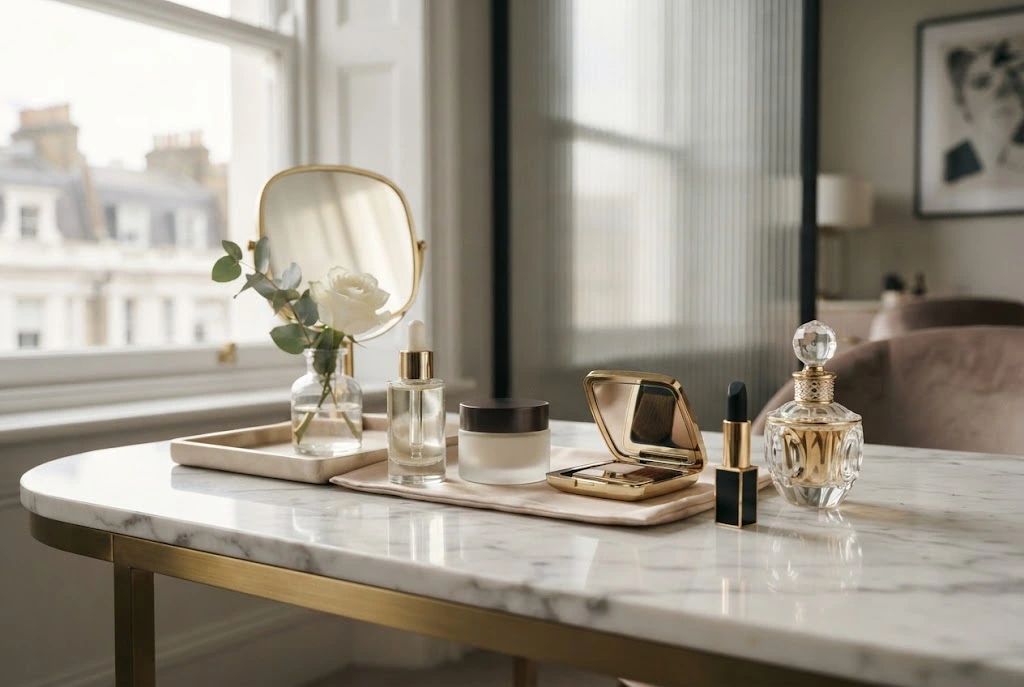
Luxury beauty has evolved beyond expensive packaging and prestigious brand names. Today, luxury beauty can mean highly developed skincare, refined makeup, distinctive fragrance, personalised services and carefully designed experiences. In the UK, consumers can find premium products across department stores, specialist retailers, beauty boutiques, salons and digital channels, creating a market that combines heritage with modern beauty trends.
For some shoppers, luxury is about formulation and performance. For others, it is linked to craftsmanship, exclusivity, brand heritage or the experience of using a beautifully presented product. Understanding these different meanings helps explain why the premium beauty sector continues to attract attention from both consumers and businesses.
What Is Luxury Beauty?
Luxury beauty refers to premium products and experiences positioned around qualities such as exclusivity, craftsmanship, advanced formulations, distinctive design, heritage and personalised service. The category can include skincare, makeup, fragrance, haircare and professional beauty treatments.
Price is one factor, but it is not the only defining characteristic. A luxury product may command a higher price because of its ingredients, research and development, packaging, production methods, distribution strategy or brand positioning.
The experience surrounding a product can also contribute to its luxury appeal. Personal consultations, exclusive launches, boutique environments and customised recommendations can make the purchasing journey feel significantly different from buying an everyday beauty product.
Why Luxury Beauty Appeals to Consumers
Consumers choose premium beauty products for different reasons. Product performance may be the main consideration for one shopper, while another may value the sensory experience, packaging or reputation of a particular brand.
Luxury beauty can also provide an element of personal enjoyment. Fragrance, skincare rituals and makeup can become part of a lifestyle rather than simply fulfilling a functional purpose.
Brand heritage can strengthen this perception. A company with a long history, recognisable design language or established reputation may create a sense of authenticity that influences how consumers perceive its products.
At the same time, modern luxury consumers are increasingly interested in value. A premium price is more likely to feel justified when the product delivers an experience or performance that the customer considers meaningful.
Luxury Skincare: From Routine to Ritual
Luxury skincare is one of the most visible areas of premium beauty. Products can include cleansers, moisturisers, serums, facial oils, masks and specialised treatments.
Premium skincare brands often place significant emphasis on formulation, texture, packaging and the overall ritual surrounding application. Instead of positioning a moisturiser as simply a functional product, luxury brands may present the skincare routine as an enjoyable daily experience.
This approach can appeal to consumers who value sensory qualities alongside practical benefits. Texture, fragrance, packaging design and application experience can all influence satisfaction.
What to Look for in Premium Skincare
A higher price does not automatically guarantee better results. When evaluating luxury skincare, consumers should consider the formulation, suitability for their skin, product claims and how well the product fits their routine.
It is also worth separating evidence-based benefits from marketing language. A beautifully presented product can still be unsuitable for an individual’s needs.
Luxury Makeup and Premium Cosmetics
Luxury makeup combines colour cosmetics with design, branding and presentation. Foundations, lip products, eyeshadows, powders and other cosmetics can occupy both premium and mass-market segments.
Packaging is often particularly important in luxury makeup. Metal finishes, glass containers, detailed compacts and distinctive cases can contribute to the sense of exclusivity. However, the product itself remains central to the experience.
Consumers may look for pigmentation, texture, longevity, shade selection and ease of application. For some, the emotional appeal of owning a beautifully designed cosmetic is equally important.
This creates a balance between function and experience. Successful luxury makeup products generally need to offer more than a prestigious appearance if they are to encourage repeat purchases.
Luxury Fragrance and Personal Identity
Luxury fragrance occupies a particularly distinctive position because scent is closely associated with identity, memory and personal expression. Premium fragrance collections can range from established designer perfumes to niche scents with smaller-scale distribution.
Luxury fragrance can also introduce consumers to the idea of craftsmanship. Notes, concentration, ingredients, bottle design and storytelling may all contribute to how a fragrance is positioned.
Unlike many skincare products, fragrance is not selected primarily to solve a practical problem. It is often chosen because of how it makes the wearer feel or how they want to express themselves.
That emotional dimension helps explain why fragrance remains an important part of the luxury beauty lifestyle.
Luxury Beauty Brands and Brand Heritage
Luxury beauty brands often rely on a combination of heritage, design, storytelling and product development. A recognisable identity can make a product immediately distinguishable in a crowded marketplace.
Heritage can also create an emotional connection. Consumers may associate a brand with a particular country, creative tradition, founder, design philosophy or period of history.
However, heritage alone does not guarantee long-term relevance. Modern consumers also expect brands to respond to changing attitudes around sustainability, transparency, inclusivity and digital shopping.
This means established luxury brands must preserve their distinctive identity while continuing to evolve.
Luxury Beauty UK: How the Market Is Changing
Luxury beauty UK consumers can access through a wide range of retail environments. Traditional department stores remain important for premium beauty, while specialist boutiques, brand-owned stores and online retailers have expanded consumer choice.
Digital channels have also changed the way shoppers research premium products. Consumers can compare products, read reviews, watch demonstrations and learn about ingredients before visiting a store or completing an online purchase.
For brands, this means that the luxury experience increasingly begins before the customer enters a physical retail environment.
The wider UK beauty industry also provides important context because premium beauty operates alongside mass-market, professional and independent businesses.
Luxury Beauty Experiences
Luxury beauty experiences can be as important as the products themselves. Personal consultations, facial treatments, fragrance discovery sessions, makeup services and exclusive events can create stronger connections between customers and brands.
Physical retail has a particular advantage here because customers can see, smell and test products. A fragrance consultation, for example, can provide an experience that is difficult to reproduce through a standard product listing.
Personalisation can add another layer. Customers may receive recommendations based on their preferences, routine or desired result rather than simply choosing from a shelf.
This emphasis on experience is helping luxury beauty move towards a broader lifestyle proposition.
Premium Beauty and Personalisation
Personalisation has become increasingly relevant to premium beauty. Consumers can now encounter product recommendations based on skin concerns, preferences, previous purchases and lifestyle considerations.
In physical stores, trained beauty advisers can provide personalised consultations. Online, technology can support product discovery through quizzes, virtual try-ons and recommendation tools.
However, effective personalisation should be useful rather than intrusive. Consumers still want control over their choices and clear information about why a particular product is being recommended.
Luxury Beauty and Sustainability
Luxury presentation can create a sustainability challenge because premium products may use elaborate packaging, multiple materials and decorative components. As environmental awareness grows, luxury brands are increasingly expected to consider the lifecycle of their products.
Refillable containers, recyclable materials, reduced packaging and longer-lasting designs can offer potential solutions. The important question is whether these systems are practical and genuinely used by consumers.
This connects luxury beauty with the wider movement towards sustainable beauty. Premium positioning and environmental responsibility do not have to be opposites, but brands need to design both elements carefully.
Is Luxury Beauty Worth the Price?
Whether luxury beauty is worth the price depends on what the consumer values. A premium product may be worthwhile for someone who particularly enjoys its formulation, fragrance, packaging or application experience.
For another shopper, a less expensive alternative may provide an equally satisfying result.
Consumers should therefore compare products based on their individual priorities rather than assuming that a higher price automatically means superior performance.
It can also be useful to consider cost per use. A product that is used consistently and lasts for a long period may offer a different value proposition from one that is purchased frequently but rarely used.
Luxury Beauty Lifestyle Trends
Luxury beauty is increasingly connected with wider lifestyle trends. Skincare routines can become self-care rituals, fragrance can form part of personal identity, and beauty treatments can become experiences associated with relaxation and wellbeing.
This creates opportunities for brands to build communities around more than individual products. Editorial storytelling, educational content, events and personalised services can all reinforce a premium identity.
At the same time, consumers are becoming more informed. Online reviews, ingredient information and independent beauty content mean that brand reputation can be scrutinised more closely than before.
How to Build a Luxury Beauty Routine
A luxury routine does not need to involve dozens of products. A carefully selected collection can provide a more enjoyable experience while avoiding unnecessary purchases.
Start With Your Priorities
Decide whether your priority is skincare performance, makeup, fragrance, sensory experience or professional treatments. This makes it easier to spend on areas that genuinely matter to you.
Choose Quality Over Quantity
Rather than collecting products simply because they are premium, focus on products you are likely to use regularly. A smaller routine can be easier to maintain and more satisfying.
Consider the Experience
Luxury is not only about the product itself. Packaging, texture, scent, application and the overall purchasing experience can all contribute to enjoyment.
Research Before Buying
Read reliable product information and consider whether the formulation suits your needs. Premium pricing should not replace informed purchasing.
The Future of Luxury Beauty
The future of luxury beauty is likely to combine traditional ideas of exclusivity with newer expectations around technology, sustainability and personalisation.
Consumers may continue to value heritage and craftsmanship while expecting brands to offer greater transparency. Refillable packaging, digital consultations, personalised recommendations and experiential retail could become increasingly important parts of the premium beauty journey.
Luxury brands also have an opportunity to make their content more educational. Consumers who understand ingredients, formulations and product use are better equipped to appreciate genuine product differences.
Final Thoughts on Luxury Beauty
Luxury beauty is about far more than paying a premium for a familiar name. It brings together product quality, design, craftsmanship, sensory enjoyment, brand heritage and customer experience.
In the UK, consumers can explore luxury skincare, makeup, fragrance and beauty services through an increasingly diverse range of channels. As expectations change, the strongest premium brands will need to combine distinctive experiences with useful products, responsible practices and credible communication.
Ultimately, the value of luxury beauty is personal. The right premium product is one that delivers something the consumer genuinely appreciates, whether that is performance, craftsmanship, individuality or simply the pleasure of a well-designed beauty ritual.
