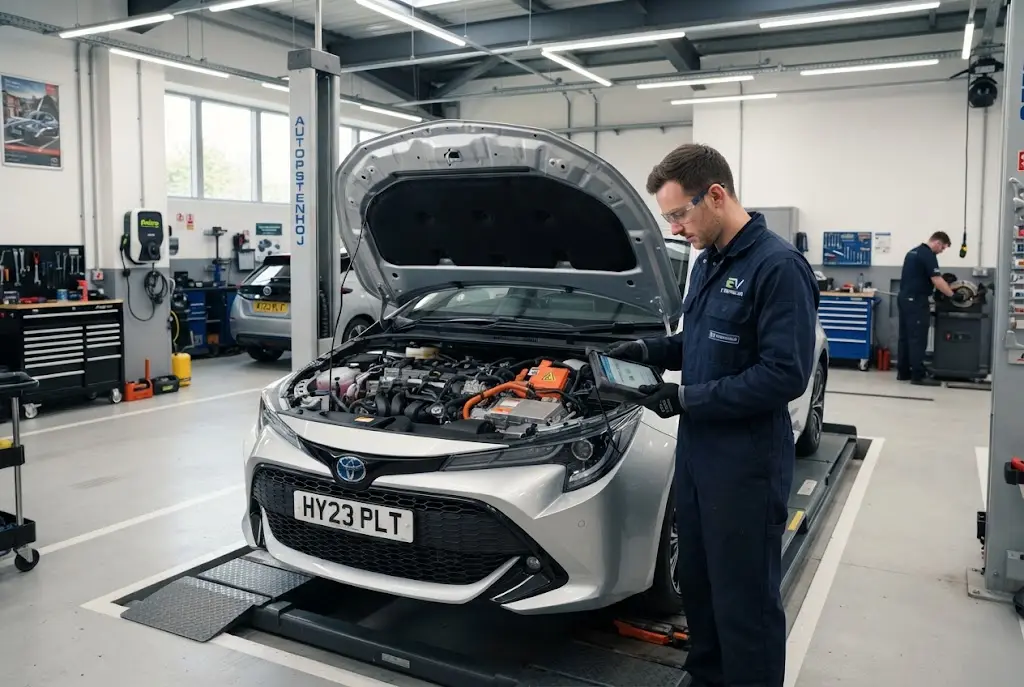
Used cars remain an important part of the British vehicle market, giving motorists an alternative to buying a brand-new vehicle. For families, first-time buyers and drivers looking to manage their transport budget, a second-hand vehicle can offer a practical way to access a car without taking on the cost of a new model. However, buying a used vehicle requires more than comparing asking prices.
Condition, service history, mileage, MOT history, tyres, previous use and expected ownership costs can all influence whether a particular car represents good value. A careful buying process helps consumers identify potential problems and choose a vehicle that fits both their practical requirements and household budget.
Why Used Cars Remain Popular in Britain
The appeal of used cars is closely connected to affordability and choice. Buyers can search across a wide range of ages, specifications and price points rather than limiting themselves to the latest models.
A second-hand vehicle may also make sense for motorists who do not need the newest technology or styling. Someone looking for a dependable family car, commuter vehicle or first car can potentially find suitable options across several years of production.
However, the lower purchase price of an older vehicle does not automatically mean lower total ownership costs. Maintenance, insurance, fuel consumption, repairs and depreciation should all be considered before making a decision.
Used Cars and Different Types of British Buyers
Second-hand vehicles appeal to different groups for different reasons. Understanding the intended use of the car can help narrow the search.
First-Time Buyers
For first-time buyers, a used car can provide a more accessible entry point into vehicle ownership. However, the purchase price should not be the only consideration.
Insurance costs can be particularly important for newer drivers. Fuel economy, engine size, reliability, servicing requirements and expected repair costs can also affect affordability.
First-time buyers should therefore establish an overall ownership budget rather than spending the maximum available amount on the purchase itself.
Family Car Buyers
Families often need to balance practicality with running costs. Passenger space, boot capacity, safety features and everyday usability can all influence the choice of vehicle.
A larger vehicle may provide more space but can also cost more to insure, fuel and maintain. Comparing several models can help families find a suitable balance between practicality and affordability.
What to Check Before Buying a Used Car
A careful inspection is essential when buying a second-hand vehicle. Online photographs and descriptions are useful for creating a shortlist, but they cannot reveal every detail about a car’s condition.
Before purchasing, buyers should consider:
- The vehicle’s mileage.
- MOT history.
- Service records.
- Number of previous keepers where available.
- Bodywork and interior condition.
- Tyres and tread condition.
- Brakes and other visible components.
- Warning lights on the dashboard.
- Signs of accident damage or poor repairs.
- Whether the vehicle matches its advertised description.
The specific checks required will depend on the vehicle, seller and circumstances. Buyers should also make sure they understand the paperwork and verify important details before completing the transaction.
Why Vehicle History Matters
A vehicle’s history can provide useful context that is not immediately visible from a physical inspection. MOT records can show previous test results and recorded mileage, while service documentation can provide evidence of maintenance.
Buyers should look for inconsistencies between the available records and the seller’s description. A significant difference between stated mileage and historical records deserves further investigation.
History checks can also help identify information that may affect the decision to purchase. However, a history check should complement rather than replace a physical inspection and appropriate professional assessment.
Inspect the Tyres Carefully
Tyres deserve particular attention when viewing used cars. Four tyres that appear acceptable at first glance can still have uneven wear, low tread or damage that may require replacement soon after purchase.
Buyers should inspect tread condition and look for cuts, cracks, bulges and other visible problems. Uneven wear may also justify asking questions about wheel alignment, suspension or other mechanical issues.
Our guide to tyre services and tyre safety in Britain explains why tyre condition matters and when professional fitting, repair or replacement may be necessary.
Potential tyre replacement costs should be considered when calculating the true price of a second-hand vehicle. A car that seems inexpensive could require several new tyres shortly after purchase.
Take a Proper Test Drive
A test drive can reveal information that is impossible to determine from photographs or a stationary inspection.
During the drive, buyers should pay attention to steering response, braking behaviour, clutch operation where applicable, gear changes and unusual noises. The vehicle should behave consistently with its age and condition.
Drivers should never ignore a warning light, unusual vibration or unfamiliar noise simply because the car otherwise looks attractive. If something does not seem right, ask the seller for an explanation and consider obtaining an independent inspection.
Used Cars and Ownership Costs
The purchase price is only the beginning of the financial commitment. Vehicle ownership can involve many ongoing expenses.
- Insurance.
- Fuel or charging costs.
- Routine servicing.
- Tyres.
- Repairs.
- Vehicle tax where applicable.
- MOT costs and associated work.
- Parking and other driving-related expenses.
Older vehicles can sometimes have lower purchase prices but may require more maintenance. Newer used cars may cost more initially but could offer different expectations around servicing, reliability and warranty coverage.
There is no universal rule that one age of vehicle is always cheaper. Buyers should compare the likely total cost for the particular car they are considering.
Should You Finance a Used Car?
Some buyers use vehicle finance when purchasing second-hand cars. Whether this makes sense depends on the vehicle, finance terms and household circumstances.
Buyers considering finance should compare the total amount payable rather than focusing only on the monthly payment. The agreement length, interest, deposit and other charges can all influence the overall cost.
Our guide to car finance and household budgets explains why monthly payments should be considered alongside wider ownership expenses.
Finance can make a purchase easier to spread over time, but it does not remove the costs of insurance, servicing, tyres, fuel and repairs. Those expenses still need to fit within the household budget.
Buying Used Cars From a Dealer
Dealerships can offer buyers a structured purchasing environment and may provide additional services or warranty options depending on the vehicle and dealer.
When viewing a car at a dealership, buyers should still conduct their own checks. Ask about the vehicle’s history, service records, previous use and any known faults.
If the dealer offers finance, buyers should separate the decision to purchase the vehicle from the decision to accept a particular finance agreement. Comparing the cash price and finance terms can make the overall cost easier to understand.
Buying From a Private Seller
Private sales can provide access to a different selection of vehicles and price points. However, buyers may need to carry out more of the checking process themselves.
Arrange to see the vehicle in appropriate circumstances, verify the seller’s details and inspect the car carefully. Never rely solely on photographs or a short description.
Buyers should also be cautious if a seller applies unusual pressure to complete the transaction quickly. A genuine vehicle purchase should allow reasonable time for inspection and consideration.
How Online Marketplaces Have Changed Used-Car Buying
Digital marketplaces have made it easier for British motorists to compare second-hand vehicles across a much larger market.
Platforms such as AutoTrader UK allow buyers to research vehicles, compare listings and narrow their search before contacting a seller. This can make the initial research process much more efficient.
However, online research should be treated as the first stage rather than the final stage of the buying process. Buyers still need to verify the vehicle’s condition, history and documentation before committing.
How to Avoid Buying the Wrong Used Car
One of the simplest ways to reduce the risk of a poor purchase is to avoid rushing. Attractive photographs, low prices and limited-time sales messages can encourage buyers to make decisions before carrying out proper checks.
Instead, establish a shortlist and compare vehicles against the same criteria. Consider condition, mileage, service history, equipment, ownership costs and asking price.
It can also help to decide in advance which faults or concerns would cause you to walk away. Having clear criteria makes it easier to remain objective when viewing a vehicle.
When a Used Car May Need Immediate Repairs
Some problems are obvious during inspection, while others become apparent only after driving the vehicle. Buyers should pay attention to any issue that could affect safety or reliability.
Tyre damage, braking concerns, warning lights, fluid leaks and significant mechanical noises should be investigated rather than dismissed as minor inconveniences.
If a necessary repair is discovered after purchase, understanding repair finance options may be useful for motorists who need to consider different ways of managing an unexpected repair bill. Any borrowing decision should be assessed carefully against the household budget.
Used Cars and British Household Budgets
A vehicle can be an essential household asset, but its financial impact extends beyond the purchase transaction. Families should consider how the car will fit into their regular spending over several years.
A sensible budget should leave room for routine maintenance and unexpected expenses. Spending every available pound on the purchase can leave little flexibility when the car eventually needs tyres, servicing or repairs.
This is particularly important for households that depend heavily on one vehicle. Maintaining an emergency fund can reduce the financial pressure created by unexpected motoring costs.
A Practical Used-Car Buying Checklist
Before completing a purchase, buyers can work through a structured process:
- Set a realistic purchase budget.
- Calculate expected insurance and running costs.
- Research suitable makes and models.
- Compare several vehicles rather than choosing the first option.
- Review MOT and service history.
- Inspect the exterior, interior and tyres.
- Check for warning lights and unusual signs.
- Take an appropriate test drive.
- Ask questions about previous use and known faults.
- Verify the paperwork and relevant vehicle details.
- Consider an independent inspection where appropriate.
- Only complete the purchase once you are satisfied with the vehicle and its affordability.
Final Thoughts on Used Cars in Britain
Used cars can provide British households with a practical alternative to buying new, particularly for first-time buyers and families looking to manage their vehicle budget. Yet affordability should be measured by the full ownership cost rather than the advertised purchase price alone.
Checking history, inspecting condition, reviewing tyres, taking a proper test drive and understanding future maintenance requirements can all help buyers make better decisions. Online marketplaces make it easier to compare the market, but careful real-world checks remain essential.
The best second-hand vehicle is not necessarily the cheapest one available. It is the vehicle that offers an appropriate combination of condition, practicality, running costs, reliability and price for the person or household buying it.
With a structured buying process and realistic expectations about ownership expenses, British motorists can approach the second-hand market with greater confidence and reduce the risk of expensive surprises after purchase.