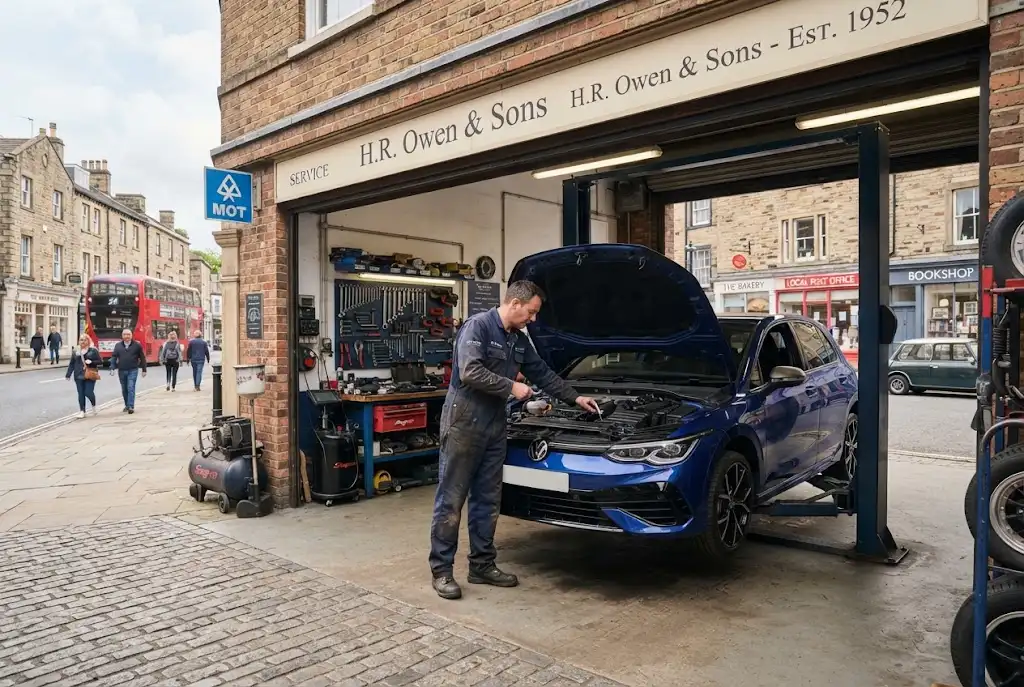
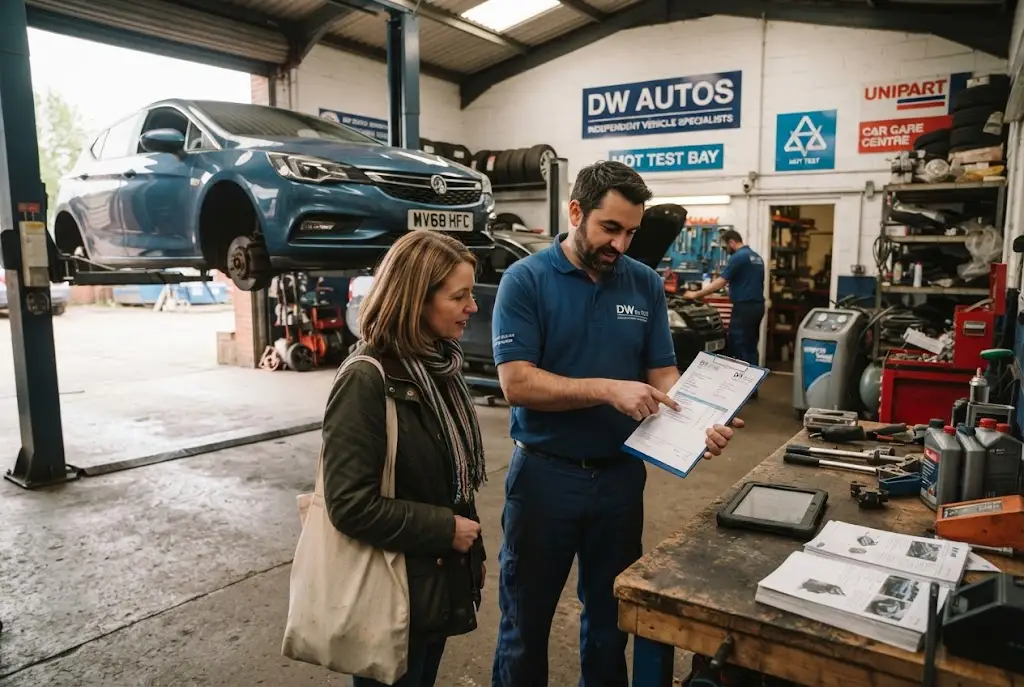
Getting a car to a garage is not always straightforward. A vehicle may refuse to start outside the home, a warning light may appear before an important journey, or a driver living in a rural area may have limited access to nearby workshops. This is where mobile auto service can provide a practical alternative. By bringing professional automotive assistance closer to the customer, mobile mechanics can make vehicle servicing and certain repairs more convenient for drivers across local communities.
The growth of mobile automotive support also reflects a wider change in how people use local services. Customers increasingly value convenience, flexibility, and solutions that fit around their everyday responsibilities. For motorists, having a mechanic visit a home, workplace, or suitable roadside location can remove one of the biggest difficulties associated with arranging vehicle maintenance.
What Is Mobile Auto Service?
A mobile auto service is an automotive service delivered away from a traditional fixed workshop. Instead of the customer taking the vehicle to a garage, a mobile mechanic travels to an agreed location with the tools and equipment required for the particular job.
The work that can be completed depends on the mechanic, vehicle, fault, and available equipment. Some mobile services focus on diagnostics, routine servicing, batteries, brakes, electrical issues, and other repairs that can safely be carried out at the customer’s location. More substantial mechanical work may still require a vehicle to be transported to a properly equipped workshop.
This flexibility makes mobile servicing especially useful when moving the vehicle is difficult or when the issue needs professional attention before the car can reasonably be driven elsewhere.
How a Mobile Mechanic Helps Local Drivers
A mobile mechanic can provide an important link between vehicle owners and professional automotive expertise. Rather than arranging recovery or finding time to leave a car at a workshop, a driver may be able to arrange an appointment at home or another suitable location.
For example, a vehicle that will not start in a driveway may need a battery assessment or diagnostic check. A mobile technician can visit the location, investigate the issue, and determine whether the problem can be resolved there.
This can be particularly useful for people who have limited access to another vehicle. Parents, commuters, older motorists, tradespeople, and households that depend on one car may find the ability to receive assistance locally much more convenient than arranging alternative transport.
Why Rural Communities Can Benefit
Access to automotive services can look different in towns, cities, villages, and remote areas. Drivers in rural communities may need to travel considerably farther to reach a suitable workshop. Public transport options may also be less convenient, making a vehicle an important part of everyday life.
In these circumstances, mobile auto service can help reduce the practical distance between a driver and professional assistance. A mechanic travelling to a customer’s location can save a journey that might otherwise involve arranging transport for both the vehicle and the driver.
Village services can therefore play an important role in supporting local mobility. While mobile mechanics cannot replace every type of workshop, they can provide another option for problems that are suitable for on-location attention.
Home Servicing Can Make Maintenance Easier
Routine maintenance is easier to manage when it fits naturally into a driver’s schedule. Taking a car to a garage can involve dropping it off, arranging another way home, and later returning to collect it. For busy households, even a relatively simple appointment can become a logistical challenge.
Home servicing changes that experience for suitable jobs. A mechanic can attend the customer’s driveway or another agreed location, allowing the owner to remain nearby while work is carried out.
Not every property is appropriate for automotive work, however. The location needs to be safe, accessible, and suitable for the particular service. Drivers should also understand what work the provider can complete on-site before arranging an appointment.
Roadside Servicing and Unexpected Problems
Unexpected vehicle problems can be particularly stressful when they happen away from home. A car that develops a mechanical or electrical issue during an ordinary journey can leave the driver wondering whether it is safe to continue.
Roadside servicing may provide assistance for certain problems, but safety should always come first. If a vehicle is in a dangerous position, obstructing traffic, or showing signs of a serious mechanical fault, the driver should prioritise personal safety and use appropriate breakdown or recovery assistance.
For less serious situations where mobile repair is appropriate, a technician may be able to inspect the vehicle and identify the next step. Sometimes the repair can be completed at the roadside; in other cases, the vehicle may need recovery to a workshop.
Mobile Auto Service and Everyday Vehicle Care
Convenience should not mean neglecting proper maintenance. Mobile servicing can work particularly well when it forms part of a wider vehicle-care routine.
Drivers still need to pay attention to tyres, lights, fluid levels, warning indicators, brakes, unusual noises, and changes in vehicle behaviour. Professional inspections and scheduled servicing can help identify problems before they become more disruptive.
For a broader look at maintaining vehicles as part of everyday British motoring, drivers can also explore auto care services and the different ways routine vehicle care can support dependable transport.
Supporting Local Businesses
Mobile mechanics are also part of the wider network of local businesses that support communities. They may serve individual motorists, small companies, tradespeople, and other vehicle-dependent customers.
For a local business, keeping vehicles available can be especially important. A van used by a tradesperson, for instance, may represent an essential part of the working day. If it is unavailable, the disruption can extend beyond the cost of a repair and affect appointments, deliveries, and customers.
A mobile service may reduce some of this disruption when the required work can be completed on-site. That does not eliminate downtime altogether, but it can make the repair process more convenient.
Neighbourhood Mechanics and Trust
Automotive work often involves an important element of trust. Drivers are placing a valuable and technically complex machine in the hands of someone they expect to diagnose problems accurately and carry out work professionally.
Neighbourhood mechanics can build relationships through repeated local service. When customers consistently receive clear explanations, transparent communication, and dependable workmanship, a one-off repair can develop into a longer-term relationship.
That relationship can be particularly valuable for drivers who prefer dealing with a familiar professional rather than searching for a new provider whenever a problem occurs.
Choosing a Mobile Mechanic
Drivers considering mobile servicing should establish what the provider actually offers before booking. Different mechanics have different equipment, qualifications, areas of expertise, and service areas.
Useful questions include:
- What type of repair or service can be completed at the chosen location?
- Does the mechanic provide diagnostics?
- Is the service suitable for the vehicle’s particular make and model?
- What happens if the repair cannot be completed on-site?
- Are parts and labour explained before work begins?
- Is the proposed location safe and suitable for the work?
Clear communication at the beginning can help prevent misunderstandings later. It also gives the driver a better idea of whether mobile assistance is genuinely appropriate for the problem.
Mobile Services Do Not Replace Every Garage
Although mobile servicing offers convenience, traditional garages remain essential. Some repairs require specialist machinery, vehicle lifts, larger workshop facilities, or controlled working conditions that cannot realistically be provided at a customer’s home or roadside location.
For this reason, mobile mechanics and local workshops are better viewed as complementary parts of the automotive service network. A mobile technician may diagnose a problem and complete a suitable repair, while a workshop may handle more complex mechanical work.
This wider network also connects with the UK’s established British garage culture, where independent workshops and local automotive businesses have long played a role in keeping communities moving.
The Financial Side of Mobile Servicing
Convenience can be valuable, but drivers should consider the complete cost of any automotive service. Pricing can vary according to the type of work, vehicle, location, parts required, travel, and complexity of the fault.
A lower initial quote does not necessarily represent better value if important work is excluded. Similarly, a mobile service may be worthwhile even when its price differs from a conventional workshop because it can save the customer time and the cost of arranging transport.
Understanding broader car service costs can help motorists compare maintenance decisions more effectively and plan vehicle expenses within their household or business budget.
A Practical Role in Modern British Communities
Cars remain important to many aspects of daily life, from commuting and shopping to family commitments and local business activity. When a vehicle develops a problem, access to timely assistance can therefore matter more than simply getting a repair completed.
Mobile auto service provides a flexible model that brings automotive expertise closer to drivers. For suitable repairs and maintenance tasks, it can reduce unnecessary journeys, support rural and village communities, and make professional vehicle care easier to fit around everyday responsibilities.
Its value ultimately comes from practicality. Mobile mechanics do not replace MOT testing, professional inspections, established garages, or responsible vehicle ownership. Instead, they add another useful layer to the UK’s automotive service landscape.
As motorists continue looking for convenient ways to manage their vehicles, local mobile services are likely to remain an important part of how communities access automotive support. When delivered safely and professionally, they can help turn an inconvenient vehicle problem into a more manageable local service experience.