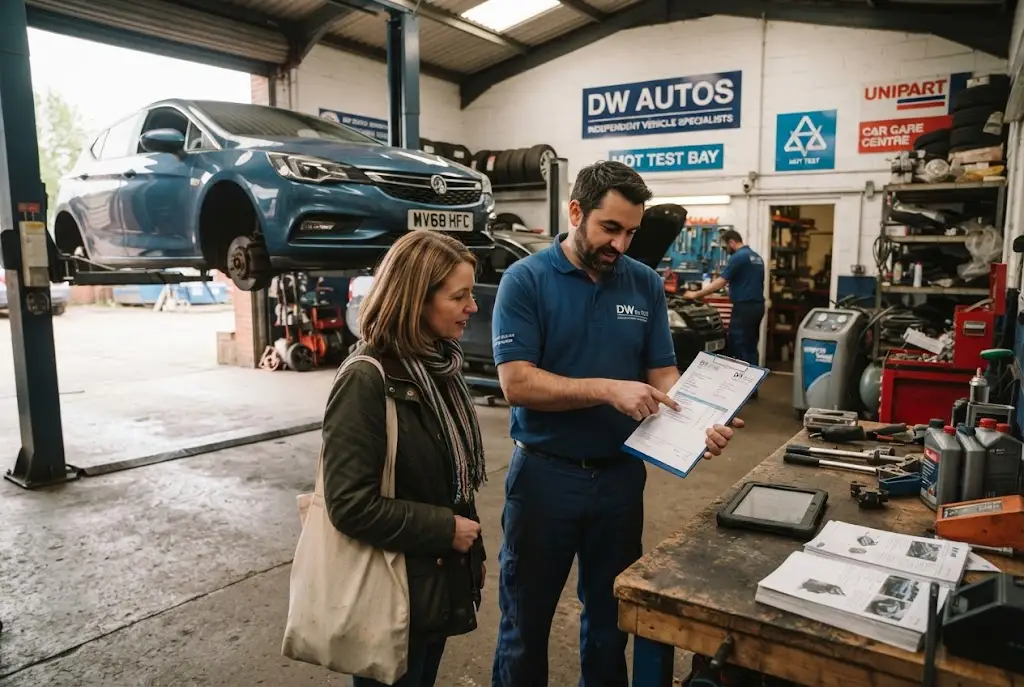
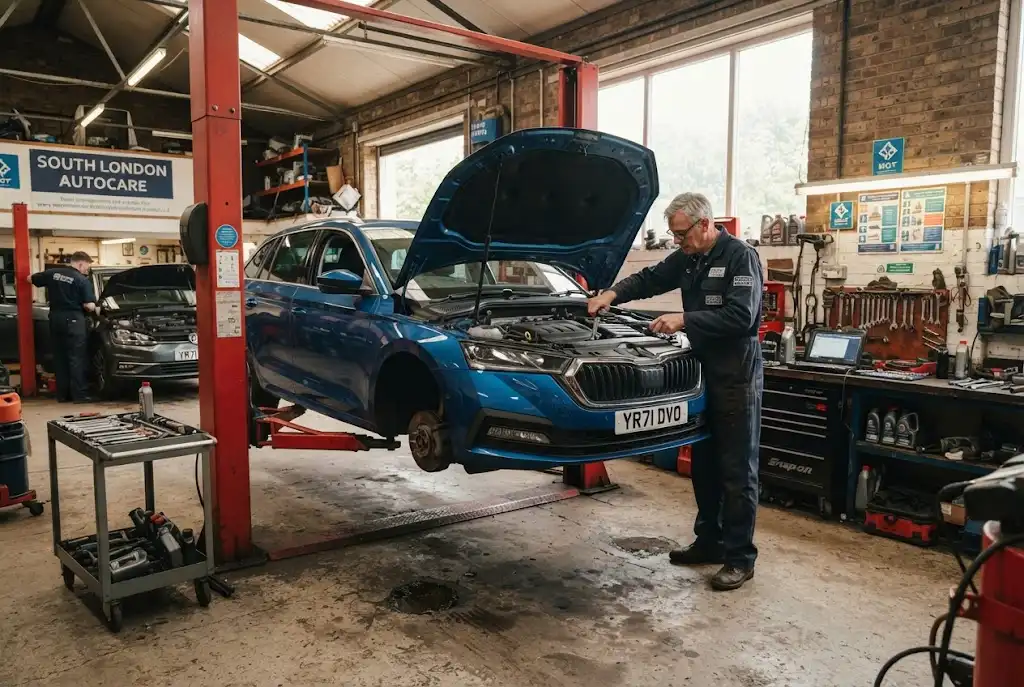
For generations of British motorists, the local garage has been more than a place to repair a vehicle. It can be where drivers seek advice, maintain an old family car, prepare for a long journey, or return when something does not feel quite right. British garage culture reflects this longstanding relationship between motorists, mechanics, independent businesses, and the communities they serve.
Although the automotive industry has changed dramatically, the role of local workshops remains relevant. Modern vehicles require increasingly sophisticated equipment and technical knowledge, yet drivers still need dependable people and businesses to help them keep their cars maintained. In many towns, villages, and neighbourhoods, garages continue to form part of the everyday commercial landscape.
What Does British Garage Culture Mean?
British garage culture describes the broader relationship between local automotive businesses and the people who depend on them. It includes independent garages, specialist workshops, mechanics, MOT centres, mobile technicians, and other automotive professionals.
The term also captures something less tangible: familiarity and trust. A local mechanic may work with the same customers for years, learning about their vehicles and understanding the practical circumstances behind their maintenance decisions.
This relationship can make a garage feel different from an ordinary service provider. Customers may return because they value straightforward explanations, familiar faces, convenient locations, or confidence in the workmanship.
The Importance of Local Workshops
Local workshops provide practical services that help keep communities mobile. They inspect vehicles, carry out maintenance, diagnose faults, replace worn components, and undertake repairs appropriate to their facilities and expertise.
Their importance becomes particularly clear when a vehicle is essential to everyday life. A commuter may need a reliable car to reach work, while a family may depend on one vehicle for school journeys and household errands. Local businesses may also rely on cars and vans to visit customers, transport equipment, or complete deliveries.
By providing nearby automotive support, workshops can help reduce the disruption caused by vehicle problems. They form part of the wider network that allows people and businesses to continue moving around their communities.
Independent Garages and Customer Relationships
Independent garages have a distinctive place within the UK’s automotive landscape. Unlike large national networks or manufacturer dealerships, independent workshops can often have a strong local identity.
For some motorists, that local connection matters. A customer may prefer speaking directly with a mechanic who can explain a fault in understandable language and discuss which work needs attention.
This does not mean every independent garage offers the same experience. Standards, expertise, equipment, pricing, and services vary between businesses. Drivers should still assess a provider carefully and make sure the work being offered is appropriate for their vehicle.
However, the potential for long-term relationships remains one of the defining features of local automotive businesses.
Trust Is Central to Automotive Services
Trust is particularly important when dealing with vehicle maintenance. Most drivers are not trained mechanics, so they depend on professionals to explain technical problems and recommend appropriate work.
Clear communication can make this process easier. A good customer experience involves explaining what has been found, what work is being proposed, and why that work may be necessary.
Transparency also matters when discussing costs. Drivers should be able to understand what a quotation covers and whether additional work has been identified.
This is one reason understanding car service cost can help motorists approach maintenance decisions more confidently. Knowing that prices can vary according to the vehicle, location, parts, labour, and complexity of the job encourages more realistic expectations.
Garages and Automotive Heritage
Britain has a long relationship with cars, motorcycles, commercial vehicles, motorsport, and mechanical engineering. Local garages have been part of that broader automotive story, helping ordinary motorists maintain the vehicles they use every day.
Some workshops specialise in particular marques, classic vehicles, performance cars, or specialist mechanical work. Others concentrate on practical servicing and repairs for the everyday vehicles found on British roads.
That diversity contributes to the country’s automotive heritage. The garage can be a place where technical knowledge is passed between generations, particularly within family-run or long-established businesses.
Not every traditional garage remains unchanged, of course. Diagnostic technology, vehicle electronics, hybrid systems, and modern repair methods have transformed the work mechanics perform. Nevertheless, the underlying relationship between vehicle owner and skilled technician remains recognisable.
The Garage as a Community Business
A local garage is also a business operating within its surrounding economy. It purchases parts and equipment, employs staff, pays for premises, and serves customers who live or work nearby.
This creates connections with other local businesses. A workshop may work with parts suppliers, recovery companies, tyre providers, vehicle specialists, and other trades. In this way, automotive services can contribute to a broader network of local economic activity.
The garage can therefore be viewed as part of the neighbourhood economy rather than simply as somewhere a customer pays for a repair.
Why Local Knowledge Can Be Valuable
Local automotive businesses often develop practical knowledge about the communities they serve. They may understand the types of vehicles commonly used in an area and the different demands placed on them.
For example, motorists in rural locations may depend heavily on their vehicles for longer journeys, while urban drivers may use cars primarily for commuting, shopping, and shorter trips.
Local mechanics may also become familiar with recurring customer requirements. Over time, this familiarity can make communication easier, especially when a vehicle returns for another service or repair.
British Garage Culture and Everyday Car Care
The traditional garage relationship is closely connected with everyday vehicle maintenance. Cars rarely remain reliable simply because they passed an MOT once. They require appropriate servicing, checks, repairs, and attention as components wear.
Drivers who want to take a more proactive approach can explore auto care services as part of a broader maintenance routine.
Professional inspections can also help motorists understand the condition of a vehicle. Auto inspection services may be particularly useful when a driver wants a structured assessment or needs professional advice about a vehicle’s condition.
These services demonstrate how the modern garage has expanded beyond the image of simply repairing a broken engine. Today’s automotive businesses may combine traditional mechanical skills with electronic diagnostics, specialist equipment, scheduled maintenance, and customer-focused services.
How Mobile Mechanics Fit Into the Picture
The traditional garage is no longer the only way drivers can access automotive expertise. Mobile mechanics have created another model in which certain types of servicing and repair can be completed at a customer’s home, workplace, or another suitable location.
A mobile auto service can be especially useful when a vehicle is difficult to move or when the customer wants a convenient alternative to visiting a fixed workshop.
Mobile mechanics and garages should not necessarily be viewed as competitors. Some jobs are well suited to mobile servicing, while others require the specialist machinery, lifting equipment, or controlled environment available at a workshop.
Together, these different services give motorists more ways to access professional automotive support.
Garages in Rural Britain
Local garages can be particularly significant in rural communities where distances between services may be greater. For residents who rely heavily on private vehicles, losing access to a car can have a direct impact on work, shopping, appointments, and family responsibilities.
A nearby workshop can therefore provide more than convenience. It can be an important part of the local transport infrastructure.
In some communities, a garage may also serve customers from several surrounding villages. Its role can extend beyond a single neighbourhood as drivers travel to a trusted workshop because they value its reputation or specialist knowledge.
The Changing Face of the Modern Garage
Today’s vehicles have changed the skills required from automotive professionals. Electronic control systems, advanced driver assistance features, hybrid technology, electric vehicles, and computerised diagnostics have introduced new areas of expertise.
As a result, modern garages increasingly need to combine traditional mechanical knowledge with technical training and appropriate diagnostic equipment.
This evolution does not diminish the role of the local garage. Instead, it shows how these businesses adapt as vehicles change. The familiar workshop environment can continue to exist while the technology inside the vehicles becomes increasingly sophisticated.
Choosing a Trusted Local Garage
Drivers should consider several factors when choosing an automotive provider. Reputation can be useful, but it should not be the only consideration.
- Look for clear explanations of recommended work.
- Ask what is included in a quotation.
- Check that the garage is suitably equipped for the vehicle and job.
- Keep records of servicing and repairs.
- Ask questions when technical terms or recommended repairs are unclear.
- Consider whether the garage provides the type of ongoing support you need.
For complex or safety-related issues, motorists should also ensure that the chosen provider has the appropriate expertise and facilities.
Garages as Part of Public Life
It is easy to overlook the contribution of ordinary automotive businesses because their work happens largely behind workshop doors. Yet their services have a direct effect on how people move around their communities.
A repaired family car can mean a parent can complete the school run. A serviced van can allow a tradesperson to reach customers. A functioning vehicle can enable a rural resident to travel to work or essential appointments.
In this sense, garages participate indirectly in public life. Their work supports the transport that underpins many ordinary activities.
Preserving the Human Side of Motoring
Technology will continue to change automotive services, but the human side of vehicle maintenance remains important. Drivers still need someone who can listen to a description of a problem, investigate it, explain the findings, and recommend an appropriate course of action.
That human interaction is one of the reasons local workshops can develop lasting reputations. Customers often remember how clearly a problem was explained, how fairly they were treated, and whether the vehicle was returned in the expected condition.
These experiences become part of a garage’s identity within its community.
The Future of British Garage Culture
The future of local garages will inevitably involve change. Electric vehicles, increasingly connected cars, sophisticated diagnostics, new repair technologies, and changing customer expectations will continue to shape the industry.
However, the fundamental need for professional automotive support is unlikely to disappear. Vehicles will still need inspection, maintenance, troubleshooting, and repair, even if the technologies involved become very different.
The businesses that adapt successfully will be able to combine technical capability with the qualities that have traditionally made trusted local garages valuable: clear communication, professional workmanship, practical advice, and dependable customer service.
Why British Garage Culture Still Matters
British garage culture is ultimately about more than workshops, tools, and vehicle repairs. It reflects a relationship between motorists and local businesses that has developed alongside Britain’s long history of everyday car ownership.
Independent garages, specialist workshops, mobile mechanics, and other automotive professionals all contribute to this wider ecosystem. They help drivers maintain their vehicles, respond to problems, and keep the journeys of households and businesses moving.
As vehicle technology evolves, the traditional garage may look different from the workshops of previous generations. Yet its community role can remain remarkably familiar.
For motorists, a good local automotive business can represent convenience, expertise, continuity, and trust. For communities, it can represent another important local trade supporting the practical infrastructure of everyday life.
That combination is what gives Britain’s automotive workshops their distinctive place in local communities—and why the culture surrounding them continues to matter.