For many households across Britain, owning a car is a practical necessity rather than a luxury. Cars connect people with work, education, shopping, family commitments, and essential services. However, keeping a vehicle on the road comes with ongoing expenses, and car service cost is an important part of that financial picture. Understanding servicing costs, repair expenses, and routine ownership requirements can help drivers plan more effectively and avoid treating maintenance as an unexpected burden.
The amount a motorist spends on vehicle maintenance can vary considerably. The vehicle’s age, make, model, mileage, condition, location, parts required, and type of service can all influence the final bill. As a result, there is no single figure that represents what every British driver should expect to pay.
Why Car Service Cost Matters to British Drivers
Vehicle maintenance is one of those expenses that can be easy to overlook when calculating the overall cost of motoring. Drivers may think about fuel, insurance, road tax, parking, and finance payments while giving less attention to servicing and repairs.
Yet a vehicle requires ongoing care throughout its life. Filters, fluids, tyres, brakes, batteries, suspension components, and other parts can require inspection, maintenance, or replacement as a car ages and accumulates mileage.
Understanding car service cost therefore helps put vehicle ownership into a more realistic financial context. It allows drivers to think beyond the purchase price and consider the continuing expenses associated with keeping a vehicle reliable and suitable for everyday use.
What Influences Car Service Cost?
Several factors can affect the price of servicing a vehicle. One of the most obvious is the type of service being carried out. A basic scheduled service may involve fewer checks and replacement items than a more comprehensive service.
The vehicle itself also matters. Different makes and models can require different parts, specifications, fluids, diagnostic equipment, and amounts of labour. An older vehicle may also require additional work because components have naturally experienced more wear.
Location can influence prices as well. Labour rates and operating costs can differ between regions and between urban and rural areas. Drivers should therefore be cautious about assuming that a quote received elsewhere will necessarily reflect the price available in their own area.
Servicing Costs Are Different From Repair Costs
It is useful to distinguish routine servicing from repairs. Servicing is generally planned maintenance intended to keep a vehicle operating properly and identify developing issues. Repairs, on the other hand, are usually required when a component has failed, become damaged, or developed a fault.
A scheduled service may reveal that additional work is needed. For example, a mechanic might identify worn brakes, tyres approaching the end of their usable life, or another component that requires attention.
This is why a quoted service price should not always be interpreted as the complete cost of maintaining a vehicle. Drivers can ask what is included in the service and whether any additional work has been identified before agreeing to repairs.
How Vehicle Age Can Affect Ownership Expenses
Older vehicles can present a different maintenance picture from newer cars. A newer vehicle may still be covered by relevant warranties or have relatively low wear on many components, although this does not remove the need for appropriate servicing.
As a vehicle becomes older and accumulates mileage, more components may naturally require attention. Rubber parts can deteriorate, brakes and suspension components can wear, batteries can become less effective, and other mechanical or electrical issues may appear.
That does not automatically mean an older car is uneconomical to maintain. The condition of the individual vehicle matters far more than age alone. A well-maintained older vehicle can remain useful for many years, while a poorly maintained newer vehicle can still develop expensive problems.
Planning Maintenance Around Household Budgets
For families, vehicle expenses need to fit alongside rent or mortgage payments, food, energy bills, insurance, education, and other household commitments. Unexpected repair bills can therefore create pressure even when the vehicle is essential.
One practical approach is to treat maintenance as a predictable part of household budgeting. Drivers can keep track of previous servicing, understand when the next scheduled service is likely to be due, and set aside money for routine vehicle expenses.
This approach cannot predict every mechanical failure. Cars can develop unexpected faults regardless of how carefully they are maintained. However, planning for routine expenses can make the overall ownership experience easier to manage.
Why Preventative Maintenance Can Be Valuable
Preventative maintenance is based on addressing vehicle needs before they develop into larger problems. It does not guarantee that expensive repairs will never occur, but it can help drivers identify wear and developing faults earlier.
Regular vehicle checks can also give owners a better understanding of their car’s condition. A driver who notices a change in braking, steering, handling, noise, or dashboard warnings can seek professional advice instead of continuing to ignore the symptom.
Professional auto inspection services can complement scheduled maintenance by providing a structured assessment of relevant vehicle components when an inspection is appropriate.
Regional Prices and Local Garages
There is no universal UK price for automotive work. Local operating costs, labour rates, demand, vehicle types, and the availability of specialist services can all influence what motorists are quoted.
For that reason, drivers may want to compare quotes from reputable providers while making sure they are comparing like-for-like services. A lower quote may cover fewer items, use different parts, or exclude work included elsewhere.
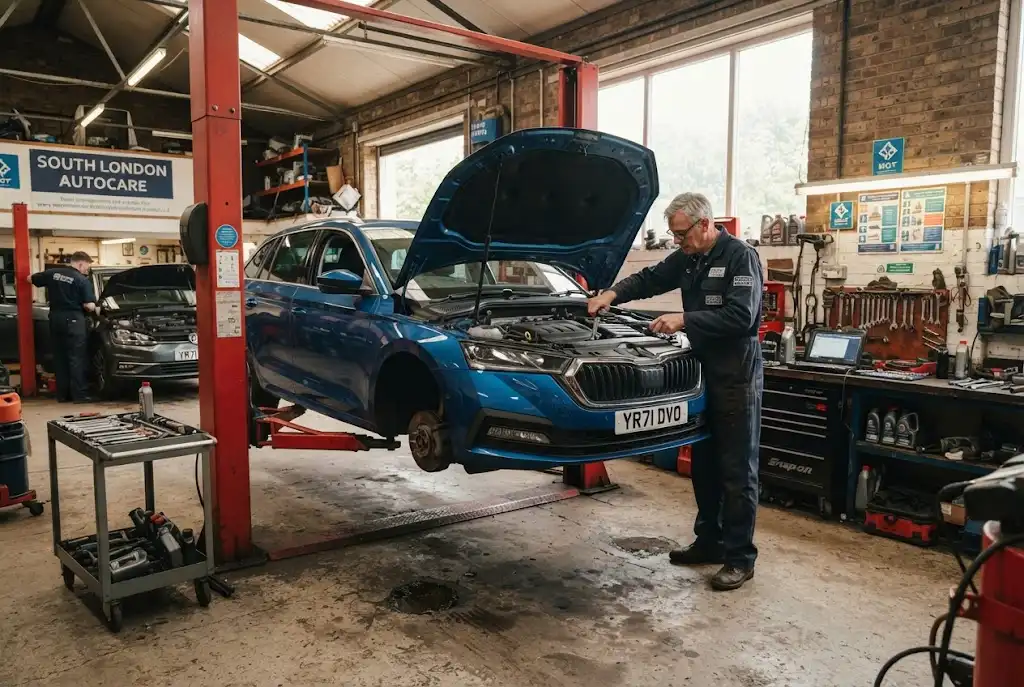
Local independent garages can be particularly useful for motorists who want an ongoing relationship with a workshop. A familiar mechanic may already understand the vehicle’s maintenance history and be able to explain what needs attention.
What Should Drivers Ask Before Approving Work?
Good communication can make automotive expenses easier to understand. Before approving additional work, drivers can ask for a clear explanation of the problem and what the proposed repair is intended to achieve.
- What has been identified during the inspection or service?
- Is the work urgent or can it reasonably be planned?
- What parts need to be replaced?
- What is included in the quoted price?
- Are labour and parts costs explained separately?
- Are there alternative repair options where appropriate?
- What work has already been completed?
These questions do not guarantee a particular price, but they can make the process more transparent and help the vehicle owner make an informed decision.
Car Service Cost and Mobile Mechanics
Convenience is another factor that can influence how motorists approach vehicle maintenance. Some drivers find it difficult to leave a car at a workshop because they depend on it for work, family commitments, or business activities.
A mobile auto service can provide suitable automotive assistance at a customer’s home, workplace, or another appropriate location. Depending on the job, this can reduce some of the logistical difficulties involved in traditional garage visits.
Mobile servicing is not suitable for every repair. Some work requires workshop equipment or facilities that cannot reasonably be taken to a customer’s location. Nevertheless, it can be a useful option for certain maintenance and repair requirements.
Routine Vehicle Care Can Support Better Financial Decisions
Financial planning becomes easier when drivers understand the condition of their vehicles. Keeping records of servicing and repairs can show patterns over time and help owners anticipate recurring maintenance requirements.
For example, a driver who knows that a vehicle has recently received major maintenance may approach future expenses differently from someone who has no record of previous work. Documentation can also be useful when discussing a vehicle with a mechanic or when eventually deciding whether to sell it.
Good records do not make vehicle ownership cheap, but they can make it more organised.
Balancing Repair Costs With Vehicle Value
At some point, owners of older vehicles may need to decide whether a repair is financially sensible. This is not always a straightforward calculation.
The cost of a repair should be considered alongside the vehicle’s condition, expected future maintenance, reliability, practical usefulness, and the expense of replacing it. A relatively large repair bill may still be reasonable if the vehicle is otherwise dependable and replacing it would create a much larger financial commitment.
On the other hand, repeated major repairs may eventually make another option more practical. There is no universal answer because every vehicle and household budget is different.
Family Transport and the Real Cost of Motoring
For households that rely on a car every day, the financial importance of maintenance becomes even clearer. A vehicle may be essential for commuting, taking children to school, reaching appointments, shopping, and visiting relatives.
When a car is unavailable, the household may face additional transport costs or significant disruption. Consequently, maintenance should be considered in terms of both money and reliability.
This broader perspective is also part of everyday auto care services. Routine maintenance is not simply about protecting a machine; it can help protect the transport arrangements that households depend on.
Why Ignoring Small Problems Can Be Costly
Drivers sometimes postpone repairs because a problem initially appears minor. While delaying work can occasionally be reasonable when a mechanic confirms that an issue is non-urgent, ignoring unexplained symptoms altogether can be risky.
A warning light, unusual vibration, strange noise, fluid leak, or change in vehicle behaviour deserves attention. The earlier a problem is understood, the easier it may be to make a sensible decision about what to do next.
It is also important to remember that a vehicle can remain operational while still requiring professional attention. Being able to drive a car does not necessarily mean that every component is in ideal condition.
Keeping Motoring Costs Under Control
Drivers cannot control every aspect of vehicle ownership, but they can make informed choices. Keeping up with recommended maintenance, comparing like-for-like quotes, maintaining sensible driving habits, monitoring the vehicle, and responding to problems can all contribute to more organised ownership.
Choosing a reputable local provider can also make a difference. The cheapest option is not automatically the best value if important work is omitted or communication is unclear.
Similarly, paying a little more for a service that includes appropriate checks, quality parts, and professional workmanship may make sense when viewed as part of the vehicle’s longer-term maintenance.
The Role of Local Automotive Businesses
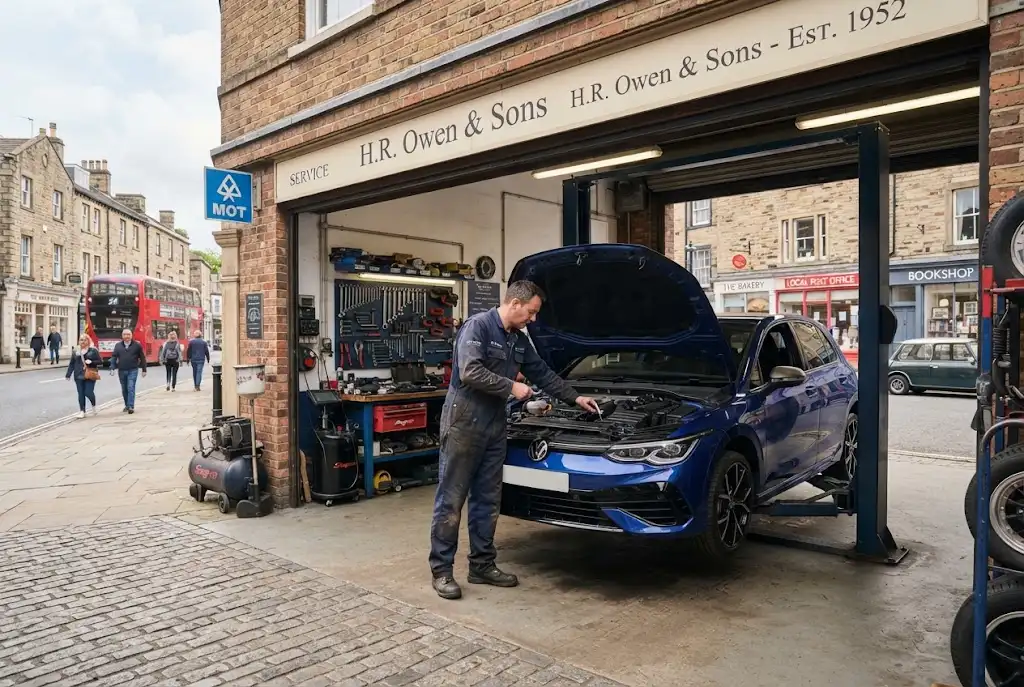
Local garages are part of the infrastructure that keeps British communities moving. They provide practical support to motorists while also operating as small businesses within their local economies.
The relationship between drivers and independent workshops can extend beyond individual repairs. Over time, a garage may become a trusted source of advice, servicing, inspections, and maintenance.
This connection is reflected in the wider idea of British garage culture, where local workshops have become familiar features of communities across the country.
A Practical Approach to Car Service Cost
There is no single answer to the question of how much maintaining a car should cost. Every vehicle has different requirements, and prices vary between services, providers, regions, and individual repair situations.
What drivers can control is how they approach those expenses. Understanding the difference between routine servicing and repairs, planning for maintenance, asking clear questions, and responding to developing problems can make vehicle ownership more manageable.
Car service cost is therefore best viewed as one part of the wider cost of keeping Britain moving. For households and businesses that depend on their vehicles, sensible maintenance is an ongoing investment in reliable transport.
By treating servicing and repairs as normal aspects of vehicle ownership rather than unexpected inconveniences, motorists can make better-informed decisions about their cars. Combined with regular checks and responsible driving, that approach can support safer, more dependable, and more predictable motoring over the long term.