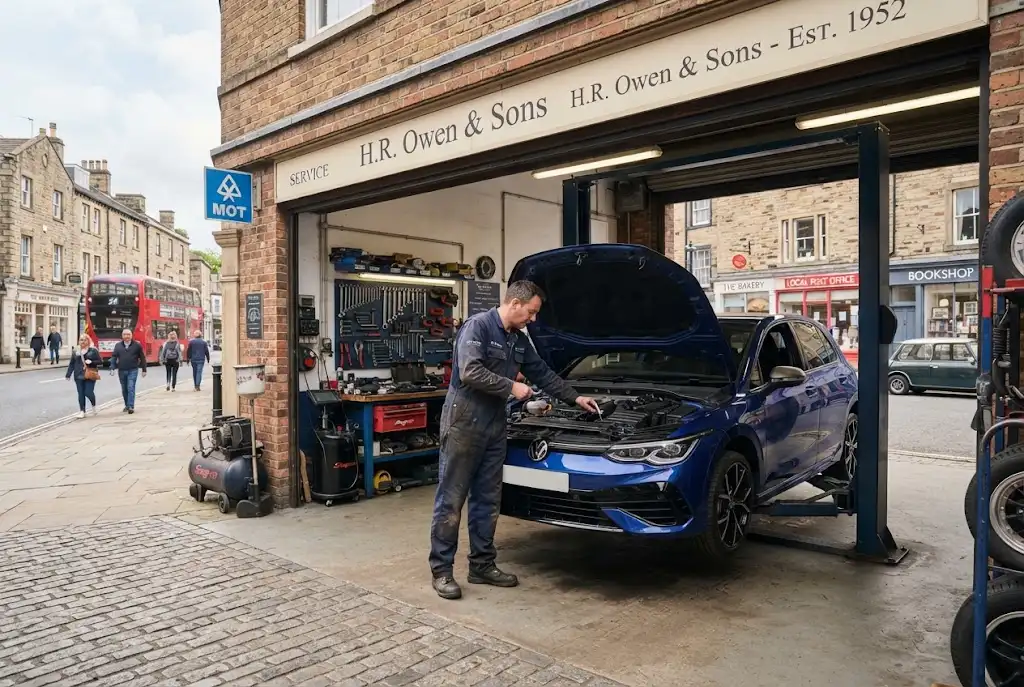
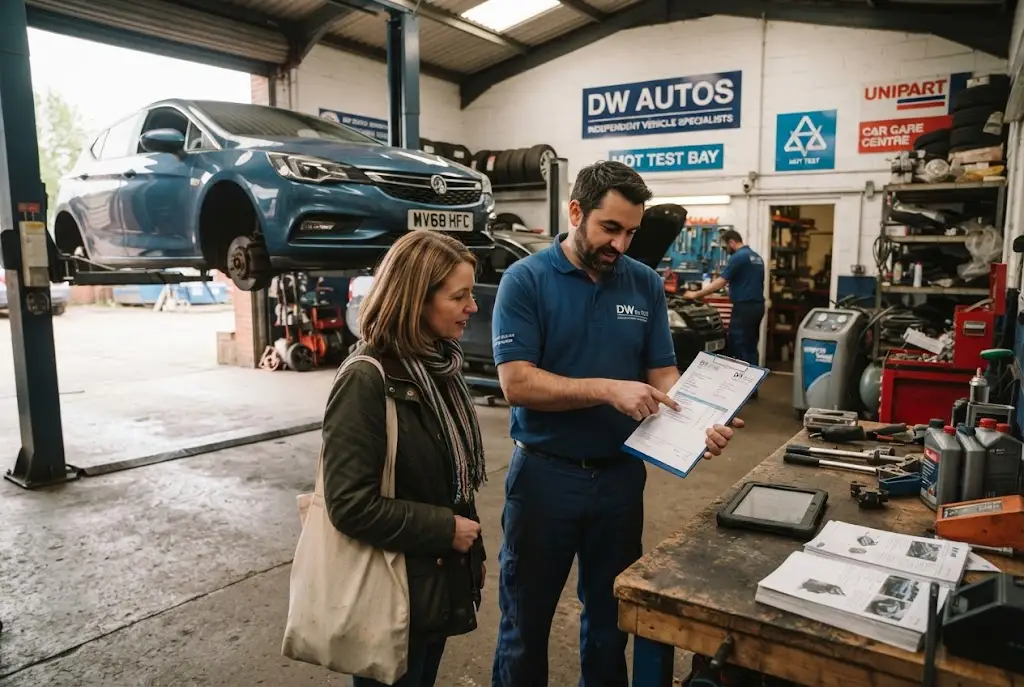
For many drivers, an annual inspection can feel like another task to fit around work, family commitments, and everyday travel. Yet auto inspection services play a much bigger role than simply identifying faults. Regular vehicle inspections help drivers understand the condition of their cars, address developing problems, support roadworthiness, and contribute to safer roads across the UK.
Vehicle ownership comes with responsibility. A car may look perfectly fine from the outside while developing issues with its brakes, tyres, steering, lights, suspension, or other important components. Professional inspections provide a structured way to identify problems that may otherwise remain unnoticed. They also complement routine maintenance and help create better long-term ownership habits.
Why Auto Inspection Services Matter
Modern vehicles are complex machines containing numerous mechanical, electrical, and safety-related systems. While drivers can perform basic checks themselves, a professional inspection provides a more systematic assessment of important components.
The purpose is not always to find a major fault. In many cases, an inspection can identify smaller issues before they become expensive or potentially dangerous. A worn tyre, weak brake component, damaged light, or developing suspension problem may not initially affect everyday driving in an obvious way. Early attention can make a significant difference.
This is where professional auto inspection services become valuable. Rather than waiting for a warning light, unusual noise, or obvious mechanical failure, drivers can use inspections as part of a proactive approach to vehicle ownership.
Vehicle Inspection and Roadworthiness
Roadworthiness is one of the most important considerations when operating a vehicle. A car should be in a condition that allows it to be used safely and responsibly on public roads.
In the UK, the MOT system provides a statutory test for relevant vehicles. GOV.UK explains that an MOT checks important vehicle components against legal standards, while the wider responsibility for keeping a vehicle safe remains with the driver or vehicle keeper.
This distinction matters. Passing an MOT does not mean that every part of a vehicle will remain in good condition until the next test. Mechanical components continue to wear as the vehicle is driven. Regular vehicle checks and appropriate servicing therefore remain important throughout the year.
Drivers can also consult the official GOV.UK guidance on checking whether a vehicle is safe to drive for practical information about routine safety checks.
Safety Inspections Support Public Safety
Vehicle safety is not only a private matter between a driver and their car. Every vehicle on the road interacts with other motorists, pedestrians, cyclists, passengers, and road users.
A neglected defect can therefore have consequences beyond the vehicle itself. Problems involving brakes, tyres, lighting, steering, visibility, or other safety-related components may increase risks when a vehicle is being driven.
Regular safety inspections encourage drivers to take these responsibilities seriously. They can also help create a maintenance culture in which problems are addressed before they become emergencies.
This is particularly important for people who depend heavily on their vehicles. Commuters, parents, tradespeople, delivery drivers, and rural residents may cover substantial distances each week. The more a vehicle is used, the more important it becomes to understand its condition.
What Can a Professional Vehicle Inspection Identify?
The exact scope of an inspection depends on the service being provided, the vehicle, and the reason for the inspection. However, professional checks may involve a review of areas such as tyres, brakes, lights, steering, suspension, fluid levels, visible leaks, and other components relevant to vehicle condition.
Some inspections may be particularly useful before buying or selling a used vehicle. In that situation, an independent assessment can help a prospective owner understand whether the vehicle appears to be in satisfactory condition or whether further investigation may be appropriate.
Inspections can also be useful after a vehicle has experienced unusual symptoms. Strange noises, vibration, pulling to one side, changes in braking behaviour, warning lights, or unusual tyre wear should not simply be ignored.
Ownership Responsibility Goes Beyond the MOT
One of the most important aspects of responsible motoring is recognising that vehicle maintenance is an ongoing responsibility.
An MOT is a test carried out at a particular point in time. It does not replace routine maintenance, manufacturer-recommended servicing, or everyday checks. GOV.UK specifically notes that a vehicle can be unsafe to drive even when it has a current MOT certificate.
This is why sensible ownership involves several layers of care. Drivers should understand their vehicle’s maintenance requirements, pay attention to changes in how it drives, monitor warning indicators, and arrange professional assistance when something appears unusual.
For owners who want a broader understanding of everyday maintenance, resources covering auto care services can complement the information gained through individual inspections.
Inspection Standards and Professional Assessment
Not every inspection has the same purpose. A statutory MOT follows defined requirements, while a general vehicle health check or pre-purchase inspection may have a different scope.
This is why drivers should understand what an inspection actually covers before booking one. A good inspection should have a clearly defined purpose and should provide useful information about the condition of the vehicle rather than creating unnecessary confusion.
Professional assessment is particularly valuable when a driver does not have the technical knowledge or equipment to evaluate a suspected problem. An experienced mechanic can identify visible signs of wear and explain which issues may require attention.
The aim should be clarity. Drivers need to know what has been checked, what has been identified, and whether any follow-up work should be considered.
Vehicle Checks Can Encourage Better Maintenance Habits
Good maintenance is often about consistency rather than reacting to emergencies. A driver who regularly checks tyre condition, lights, fluid levels, warning indicators, and other basic items is more likely to notice changes early.
Professional inspections can reinforce these habits. Instead of viewing maintenance as an unexpected expense, vehicle owners can treat it as part of normal motoring.
This approach can also support better financial planning. Identifying a developing issue early may give an owner the opportunity to investigate repair options before the problem becomes more serious. It also reduces the likelihood of being caught completely unprepared by an avoidable mechanical problem.
When Should Drivers Consider an Inspection?
There is no single inspection schedule that suits every vehicle because usage, age, mileage, condition, and manufacturer recommendations can vary. However, certain situations can make an inspection particularly useful.
- Before purchasing a used vehicle
- When unusual noises or vibrations develop
- After a significant mechanical problem
- When warning lights appear
- Before a long journey if the vehicle’s condition is uncertain
- When tyres, brakes, steering, or suspension appear unusual
- When a vehicle has been sitting unused for an extended period
Drivers who rely heavily on their cars may also benefit from combining inspections with a broader maintenance routine. Understanding car service cost can help owners plan for routine servicing and potential repair expenses instead of treating every maintenance requirement as an unexpected cost.
Inspections and Different Types of British Motoring
The need for reliable vehicle checks can look different depending on where and how people live. A city driver may use a vehicle primarily for commuting, school runs, shopping, and short journeys. Someone living in a rural area may depend on a car for longer journeys between villages, workplaces, shops, and essential services.
Despite these differences, the underlying principle remains the same: a vehicle needs to be maintained in a condition suitable for its intended use.
This is one reason the wider automotive service network remains important. Local garages, mobile mechanics, MOT stations, dealerships, and specialist workshops all contribute to keeping vehicles maintained and available for everyday transport.
For drivers who cannot easily travel to a workshop, mobile auto service options can provide another practical route to professional assistance, depending on the type of work required.
Building a Stronger Maintenance Culture
A healthy maintenance culture is built around awareness rather than fear. Drivers should not wait until a vehicle breaks down completely before thinking about its condition.
Simple habits can make a difference. Checking tyres, lights, fluid levels, warning indicators, and obvious signs of damage takes relatively little time. Keeping service records and responding promptly when a problem appears can also make vehicle ownership more organised.
Professional inspections add another layer of confidence because they provide an experienced perspective. When combined with regular servicing and responsible driving, they form part of a broader approach to safer and more informed motoring.
The Wider Role of Vehicle Inspections in the UK
Vehicle inspections are ultimately about more than individual cars. They form part of a wider system in which drivers, mechanics, testing stations, manufacturers, regulators, and other automotive professionals all have roles to play.
When vehicle owners take maintenance seriously, faults are more likely to be identified and addressed. When professional standards are followed, inspections become more meaningful. And when drivers understand their responsibilities, they are better positioned to make sensible decisions about their vehicles.
This wider relationship between cars and communities also explains why garages have remained important local businesses across Britain. Independent workshops often become familiar names within their areas, serving generations of drivers and supporting the everyday mobility on which communities depend.
Making Vehicle Checks Part of Everyday Motoring
For drivers, the simplest lesson is that vehicle safety should not be treated as a once-a-year activity. MOT testing, professional inspections, routine servicing, and basic driver checks each serve different purposes.
Auto inspection services can provide valuable insight into a vehicle’s condition, particularly when owners want professional reassurance or when something does not seem quite right. Used alongside regular maintenance, they can support better ownership decisions and help drivers respond to problems before they become more disruptive.
Ultimately, responsible motoring depends on awareness, maintenance, and action. A well-maintained vehicle is not only more dependable for its owner; it also contributes to a safer and more responsible road environment for everyone.