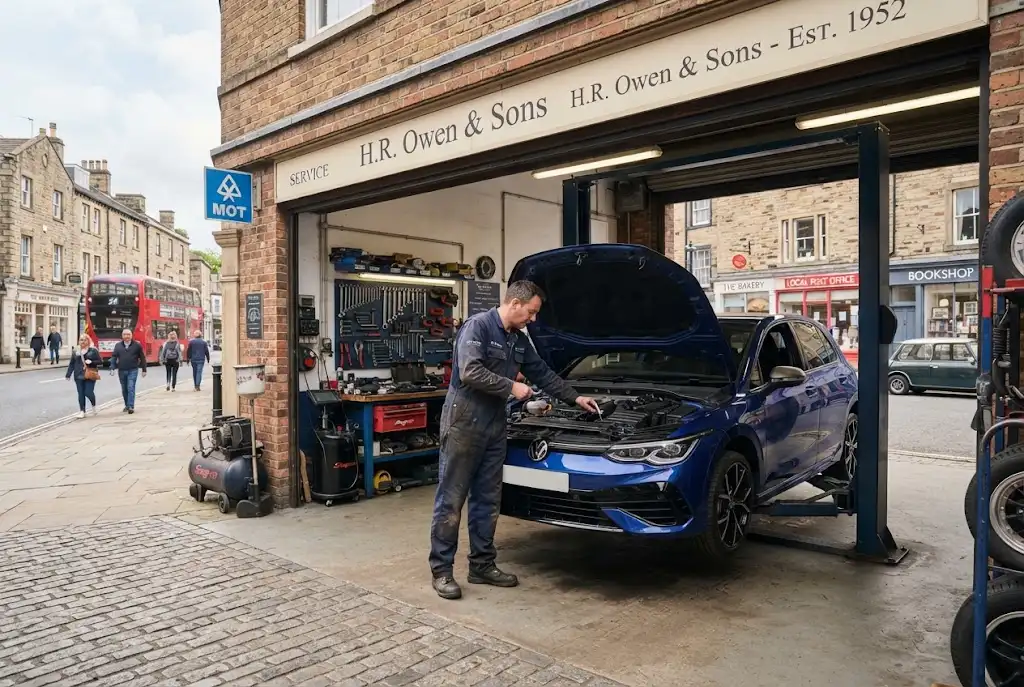
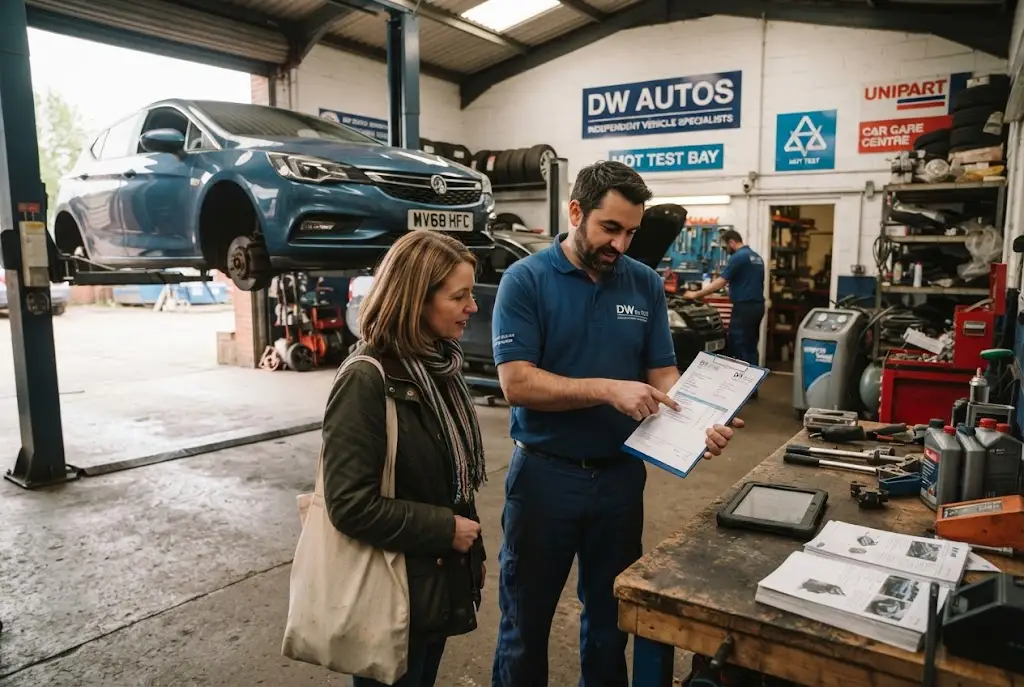
For millions of people, a car is more than a way to travel from one place to another. It can be essential for commuting, family responsibilities, shopping, school runs, appointments, holidays, and everyday independence. That is why auto care services have such an important role in British motoring. Regular vehicle care helps owners identify problems, maintain reliability, and keep their cars suitable for the demands of daily life.
Good car care does not necessarily mean waiting for something to go wrong. Instead, it involves a combination of routine maintenance, sensible vehicle checks, professional servicing, and attention to changes in how a car behaves. These habits can make ownership more predictable while supporting safer and more practical motoring.
What Do Auto Care Services Include?
Auto care services cover a broad range of maintenance and automotive support. The exact services available will vary between garages and mechanics, but may include routine servicing, brake checks, tyre inspections, battery services, fluid checks, diagnostics, repairs, and other forms of preventative maintenance.
Some work is scheduled according to the vehicle manufacturer’s recommendations, while other work becomes necessary because of mileage, age, usage, wear, or a particular problem. Professional servicing can therefore form one part of a wider vehicle-care routine rather than being treated as the only time a car needs attention.
For drivers, the important point is understanding that different maintenance tasks serve different purposes. An MOT, for example, is not the same thing as a full service, while a quick tyre check is not a substitute for investigating a persistent braking or steering problem.
Why Vehicle Care Matters for Everyday Motoring
British lifestyles can involve considerable dependence on private transport. A commuter may drive to work every weekday, while a family might use the same vehicle for school journeys, shopping, appointments, and weekend travel.
When a vehicle is used this frequently, small problems can quickly become disruptive. A weak battery, worn tyre, faulty light, or developing mechanical issue may become particularly inconvenient when the car is needed for an important journey.
Routine vehicle care gives owners an opportunity to identify potential problems before they cause unnecessary disruption. It also encourages a more organised approach to ownership, where maintenance becomes part of normal motoring rather than an emergency response.
Routine Maintenance Builds Better Ownership Habits
Good ownership habits often begin with simple checks. Drivers can regularly look at tyre condition, lights, fluid levels, dashboard warnings, and visible signs of damage. They can also pay attention to unusual noises, vibrations, changes in braking, or alterations in how the vehicle handles.
These basic checks do not replace professional maintenance. Instead, they help owners recognise when professional attention may be appropriate.
Regular servicing can then provide a more detailed assessment of the vehicle. Keeping records of servicing and repairs can also make it easier to understand what work has been completed and what may be due in the future.
For a deeper look at the importance of professional vehicle checks, auto inspection services can be an important part of a responsible maintenance strategy.
Auto Care Services and Family Motoring
For families, reliable transport can affect many areas of daily life. A car may be used to take children to school, reach work, attend appointments, visit relatives, and complete regular household errands.
Because of this, vehicle problems can have a wider impact than the repair itself. A car that cannot be used may require alternative transport arrangements, changes to schedules, or additional expense.
Planning maintenance can help reduce some of these difficulties. It gives owners an opportunity to deal with routine requirements before they become urgent and can make vehicle expenses easier to anticipate.
This does not mean every fault can be prevented. Components naturally wear, unexpected failures happen, and older vehicles may require more attention. However, consistent care can help owners respond to those situations more effectively.
Understanding the Difference Between Checks and Servicing
Drivers sometimes use terms such as inspection, check, service, and MOT interchangeably, but they can refer to different types of automotive work.
An inspection may focus on assessing the condition of particular components or the overall vehicle. A service generally involves scheduled maintenance based on the vehicle’s requirements. An MOT is a statutory test for applicable vehicles that assesses whether they meet specific requirements at the time of testing.
Understanding these differences helps drivers avoid assuming that one appointment covers every aspect of vehicle maintenance. The GOV.UK guidance on MOT testing and fees provides official information about the statutory testing system.
Keeping an Eye on Tyres, Brakes and Lights
Some vehicle components deserve particular attention because of their importance to safe driving.
Tyres are the vehicle’s direct contact with the road, so drivers should pay attention to their condition, pressure, tread, and any visible damage. Brakes should also be taken seriously. Changes in braking performance, unusual sounds, or other warning signs should be investigated rather than ignored.
Lights are equally important for visibility and communication with other road users. Regularly checking headlights, brake lights, indicators, and other exterior lighting can help identify problems early.
These simple checks form part of a wider maintenance culture. When combined with professional servicing and inspections, they help drivers remain more aware of the condition of their vehicles.
Vehicle Care Can Support More Predictable Costs
Maintenance is an expense, but unexpected repairs can be particularly difficult when they arrive without warning. A proactive approach can make some ownership costs easier to anticipate.
This is one reason drivers may benefit from understanding car service costs and considering maintenance as an ongoing ownership expense rather than an occasional surprise.
The actual cost of keeping a vehicle maintained varies significantly. Factors can include the vehicle’s age, make and model, mileage, condition, parts required, labour rates, location, and type of work.
There is no guarantee that preventative maintenance will eliminate expensive repairs. Nevertheless, keeping up with appropriate servicing and responding to developing problems can help owners make informed decisions about their vehicles.
When Mobile Servicing Makes Sense
Not every maintenance task requires a traditional garage visit. Depending on the work involved, some drivers may find a mobile mechanic more convenient.
A mobile auto service can bring suitable automotive assistance to a home, workplace, or other appropriate location. This can be particularly useful when moving the vehicle to a garage is difficult or when the required work can safely be completed on-site.
Mobile servicing is not a replacement for every type of workshop repair. Larger mechanical jobs may require specialist equipment or facilities. However, it can provide a useful option within the broader network of local automotive services.
Car Care in Rural and Urban Communities
Vehicle ownership does not look the same everywhere in Britain. Urban motorists may have access to numerous garages and public transport alternatives, while drivers in rural communities can be more dependent on their cars for essential journeys.
In villages and smaller communities, access to dependable automotive services can therefore be especially valuable. Local workshops and mobile mechanics can help maintain the vehicles that connect residents with workplaces, shops, schools, healthcare services, and neighbouring towns.
This local dimension also explains why independent automotive businesses remain important. A trusted mechanic may become a familiar part of the community, particularly when customers return for servicing and repairs over many years.
The Importance of Practical Motoring
Car care does not need to be complicated. The most useful approach is often a practical one: understand the vehicle’s maintenance schedule, carry out basic checks, respond to warning signs, and use qualified automotive professionals when specialist attention is needed.
Drivers should also avoid ignoring problems simply because a vehicle is still running. A car can continue moving while developing a fault that needs attention. Strange noises, warning lights, unusual smells, vibrations, or changes in handling can all be reasons to seek professional advice.
Early investigation does not always result in an expensive repair. Sometimes the issue may be relatively straightforward. The important point is that drivers have the opportunity to understand what is happening rather than allowing uncertainty to continue.
Auto Care and Responsible Vehicle Ownership
Vehicle ownership comes with responsibilities as well as convenience. Keeping a car maintained is part of ensuring that it remains suitable for use, while responsible driving and attention to vehicle condition contribute to the wider road environment.
This is closely connected to the role of vehicle inspections. Professional checks can identify issues that may not be obvious during an ordinary drive and can give owners a clearer picture of their vehicle’s condition.
At the same time, maintenance should not be viewed solely through the lens of compliance. A well-maintained vehicle can also be more dependable for the people who rely on it every day.
How British Drivers Can Create a Simple Care Routine
A practical vehicle-care routine can begin with a few straightforward habits:
- Check tyres regularly for pressure, wear, and visible damage.
- Make sure exterior lights are working properly.
- Pay attention to dashboard warning lights.
- Check fluid levels according to the vehicle manufacturer’s guidance.
- Keep scheduled servicing up to date.
- Investigate unusual noises, smells, vibrations, or handling changes.
- Keep records of important maintenance and repair work.
- Arrange professional inspections when the vehicle’s condition is uncertain.
The objective is not to turn every driver into a mechanic. Instead, it is to create awareness so that problems are less likely to be overlooked.
Local Garages Remain Part of Everyday British Life
Although automotive technology continues to change, garages remain an important part of local communities. Independent workshops provide practical services while often developing long-term relationships with customers.
The wider idea of British garage culture reflects this relationship between motorists, mechanics, local businesses, and the communities they serve.
For many drivers, choosing a garage is not simply about finding somewhere to repair a car. Trust, communication, convenience, workmanship, and familiarity can all influence where people choose to take their vehicles.
Making Vehicle Care Part of Everyday Life
Reliable motoring is rarely the result of one single service. It comes from a combination of responsible ownership, regular checks, appropriate servicing, professional inspections, and timely repairs.
Auto care services provide an important foundation for this approach. They help drivers maintain their vehicles while fitting into the realities of British family life, commuting, local business activity, and everyday transport.
The most useful mindset is to treat vehicle care as an ordinary part of ownership. Waiting until a car develops a major problem can create unnecessary disruption, whereas paying attention to maintenance gives drivers greater awareness of what their vehicles need.
Whether the work is carried out by an independent garage, specialist workshop, dealership, or suitable mobile mechanic, consistent care supports a more practical approach to motoring. For Britain’s drivers, that can mean fewer avoidable surprises and greater confidence in the vehicles they depend on every day.