

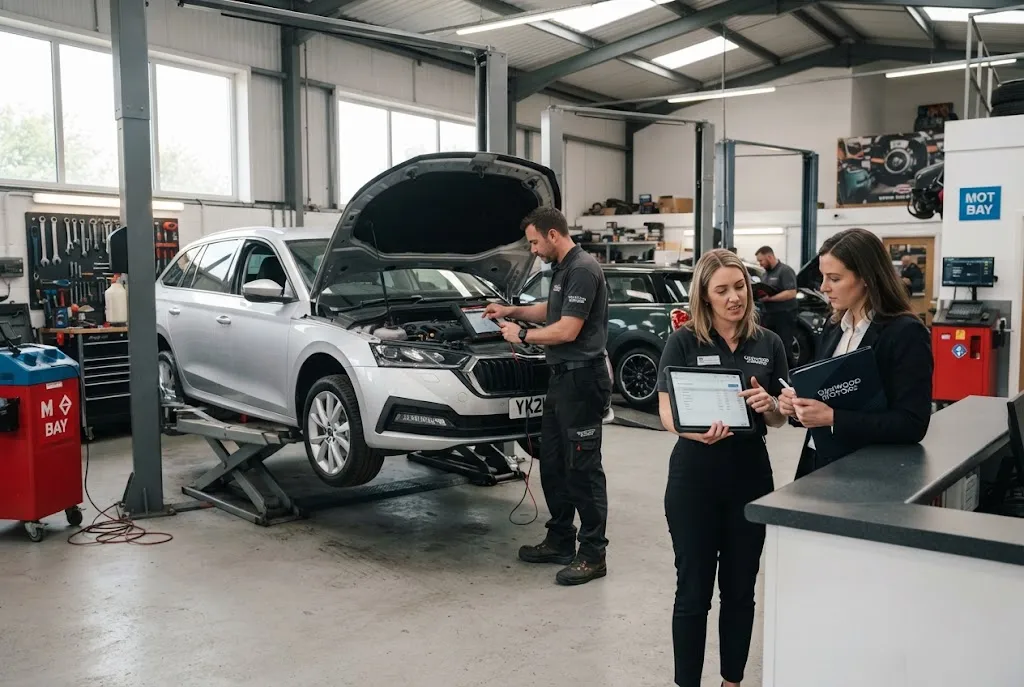
Unexpected vehicle repairs can put pressure on a household budget, particularly when a car is essential for commuting, childcare, shopping or other everyday responsibilities. Repair finance can be one option for motorists who need to manage the cost of necessary repairs without paying the entire amount immediately. However, finance is not suitable for every situation, so drivers should understand the available arrangements, total costs and affordability before committing.
Vehicle ownership involves more than fuel and insurance. Servicing, tyres, brakes, batteries, MOT-related work and unexpected mechanical faults can all create expenses. Planning for these costs can make ownership easier to manage, while understanding repair payment options can help families make informed decisions when an urgent problem occurs.
What Is Repair Finance?
Repair finance generally refers to ways of spreading the cost of vehicle repairs rather than paying the full bill upfront. Depending on the provider and arrangement, this may involve a finance agreement, a payment plan or another form of borrowing.
The exact terms can vary significantly. Some arrangements may advertise an interest-free period, while others may involve interest, fees or other charges. The important point is to look beyond the initial monthly payment and consider the total amount that will ultimately be paid.
Drivers should also check whether the finance arrangement is provided directly by a repair business, through a finance company or by another lender. The terms, eligibility requirements and consumer protections can depend on the type of agreement.
Why Vehicle Repairs Can Become a Budget Problem
Routine maintenance is relatively easy to anticipate. An unexpected repair is different because the timing and cost may be uncertain.
A vehicle may suddenly develop a braking problem, clutch fault, electrical issue or other mechanical defect. A tyre may also need replacing after damage, while several maintenance items can become due at the same time on an older vehicle.
For a household already managing rent or mortgage payments, energy bills, food costs and other regular expenses, an unexpected repair bill can create difficult choices. If the car is essential for work, delaying a necessary repair may not be realistic.
Repair Payment Plans Explained
Repair payment plans allow eligible customers to spread a repair cost over an agreed period. Instead of making one large payment, the customer makes scheduled payments according to the agreement.
This can make a large expense easier to fit into a monthly budget. However, spreading a payment does not make the underlying repair cheaper. If interest or fees apply, the total cost can be higher than paying upfront.
Before agreeing to a payment plan, drivers should establish:
- The amount being financed.
- The length of the agreement.
- The monthly payment.
- The total amount payable.
- Whether interest applies.
- Whether additional fees apply.
- What happens if a payment is missed.
- Whether early repayment is possible and whether charges apply.
Reading the agreement carefully is particularly important when a repair is urgent and the driver feels pressure to make a quick decision.
When Repair Finance May Make Sense
There is no single answer for every motorist. Repair finance may be worth considering when a repair is necessary, the vehicle remains suitable for continued ownership and the proposed payments can comfortably fit within the household budget.
For example, replacing a failed component on a relatively reliable family vehicle may be preferable to immediately replacing the entire car. In contrast, financing a large repair on a vehicle with extensive ongoing problems may require more careful consideration.
The key question is not simply whether a driver can make the first payment. It is whether the complete agreement remains affordable throughout its term.
Compare Repair Costs Before Borrowing
Before arranging finance, motorists should understand what work the vehicle actually needs. Ask the garage for a clear explanation of the fault and a written estimate where possible.
For some repairs, getting a second professional opinion can be useful. It may reveal that there are different repair options or that another component should be addressed first.
Drivers should also distinguish between essential repairs and maintenance that can reasonably be scheduled later. Safety-related faults should receive appropriate attention, while non-essential cosmetic work may not justify borrowing.
Maintenance Plans and Preventive Vehicle Care
One way to reduce the likelihood of large unexpected bills is to stay on top of routine maintenance. A vehicle maintenance plan does not eliminate the possibility of breakdowns, but regular servicing and inspections can help identify developing problems earlier.
Maintenance can include oil and filter changes where appropriate, brake inspections, tyre checks, battery assessments and other manufacturer-recommended servicing requirements.
Tyres deserve particular attention because their condition can affect safety and roadworthiness. Drivers can learn more about tyre services and tyre safety in Britain when considering routine tyre fitting, repairs or replacement.
Preventive maintenance is not always the cheapest option in the short term, but it can help motorists avoid neglecting problems until they become more expensive or disruptive.
How Repair Finance Fits Into Family Budgeting
Family budgeting works best when irregular costs are considered alongside monthly bills. Vehicle repairs are difficult to predict precisely, but motorists can still create a maintenance fund for future expenses.
Setting aside a small amount regularly may reduce the need to borrow when a repair eventually arises. It can also provide a useful buffer for items such as tyres, batteries, servicing and unexpected mechanical work.
Where savings are not sufficient, a finance arrangement should be assessed against the rest of the household budget. A payment that appears manageable in isolation may become difficult if combined with other credit commitments.
Affordability Matters More Than the Monthly Payment
One of the most important considerations when comparing borrowing options is affordability. A low monthly payment can look attractive because it places less immediate pressure on the household. However, a longer repayment period can mean paying more overall.
Drivers should therefore compare the total cost rather than focusing only on the advertised monthly figure. Consider how the payment would fit alongside existing household commitments and whether there is enough flexibility for unexpected expenses.
It is also sensible to avoid borrowing more than necessary. If a vehicle needs one essential repair, financing additional discretionary work may increase the overall cost without providing an immediate safety or reliability benefit.
Repair Finance or Replacing the Vehicle?
When a major repair is required, some motorists may wonder whether replacing the car would make more financial sense. This decision should consider the vehicle’s age, condition, reliability, repair history and likely future maintenance needs.
A large repair does not automatically mean that a car has become uneconomical to own. A vehicle with a strong maintenance history may still provide many years of useful service after a significant repair.
On the other hand, repeated faults can change the calculation. If a vehicle regularly requires expensive work, adding another finance commitment may not solve the underlying ownership-cost problem.
Drivers considering a replacement should calculate the full cost of ownership rather than comparing only the repair bill with a new monthly vehicle payment.
Repair Finance and Car Ownership Costs
Vehicle ownership includes a wide range of expenses. Fuel, insurance, servicing, tyres, repairs, road tax where applicable and depreciation can all contribute to the total cost of keeping a car.
This is particularly important when comparing repair finance with replacing a vehicle. A newer car may reduce some maintenance risks but can introduce a new monthly finance commitment and potentially higher insurance or depreciation costs.
Motorists researching car finance and household budgets should therefore look at the complete ownership picture before deciding how to deal with a major repair.
Questions to Ask Before Agreeing to Repair Finance
Taking a few minutes to ask questions can help prevent misunderstandings later. Before signing an agreement, motorists should consider:
- What exactly is being financed?
- What is the total amount payable?
- What interest rate or finance charge applies?
- Are there administration or other additional fees?
- How long will repayments continue?
- What happens if circumstances change?
- Are there penalties or charges for late payments?
- Is the repair essential for safe and legal driving?
- Would paying from savings or another available option be cheaper?
- Is the vehicle worth repairing based on its overall condition?
If any term is unclear, ask the provider to explain it before signing. Financial agreements should not be accepted simply because a repair is urgent.
Protecting Yourself From Unnecessary Repair Costs
Drivers can take practical steps to reduce the risk of unexpected expenses. Keeping service records, following recommended maintenance schedules and responding to warning signs promptly can all help.
Unusual noises, warning lights, changes in braking, steering problems, fluid leaks and repeated tyre-pressure loss should not automatically be ignored. Early professional assessment may identify a smaller issue before it develops into a more serious fault.
It is also worth choosing a reputable repair business and asking for a clear estimate before authorising significant work. A transparent explanation can make it easier to compare the repair cost with the vehicle’s value and expected future expenses.
Final Thoughts on Repair Finance
Repair finance can provide a way to manage a necessary vehicle repair when paying the full cost upfront would place too much pressure on a household budget. However, borrowing should be considered carefully, particularly when other monthly commitments already exist.
The best approach is to understand the repair, compare the available options, check the total cost of any finance agreement and assess whether the vehicle is worth keeping. Building a maintenance fund and staying on top of routine servicing can also reduce reliance on borrowing over time.
For British motorists, responsible vehicle ownership is ultimately about balancing safety, reliability and affordability. A repair should be dealt with when necessary, but the way it is paid for should also fit comfortably within the wider household budget.
