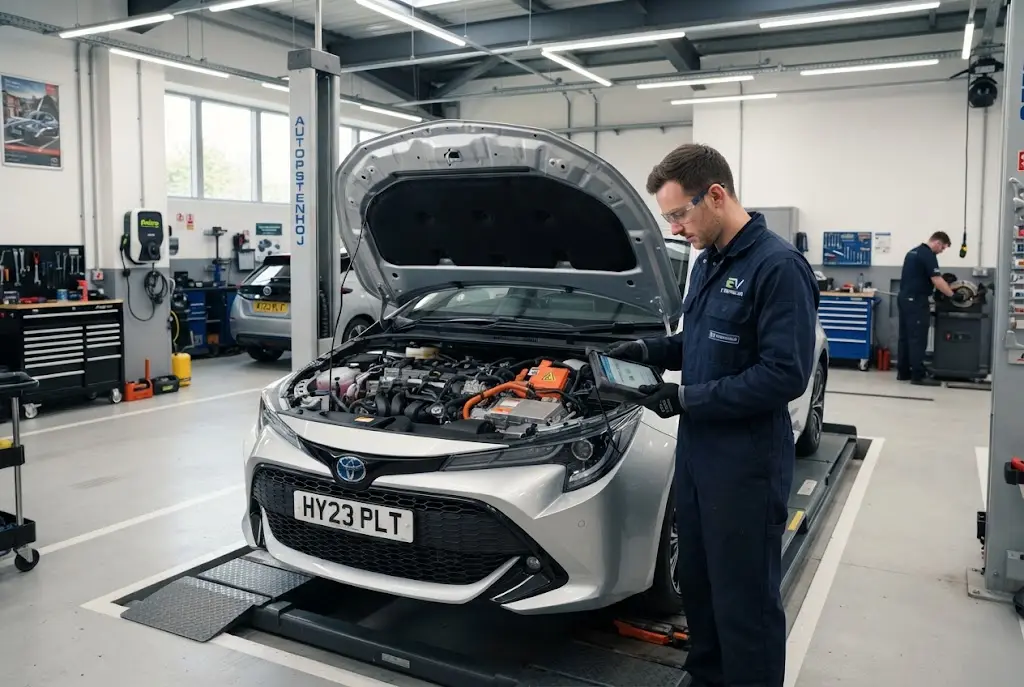
Professional auto inspection services can give UK motorists a clearer understanding of a vehicle’s condition, particularly when a standard MOT does not answer every maintenance question. A statutory MOT has a defined purpose and testing scope, while a more detailed vehicle inspection can examine specific concerns, assess condition and help identify issues that may require attention.
Regular vehicle checks are important because roadworthiness is an ongoing responsibility rather than something that exists only on the day of an annual test. Whether a vehicle is being purchased, sold, maintained or investigated after developing a fault, a structured inspection can provide useful information about its condition.
What Are Auto Inspection Services?
Auto inspection services generally involve examining a vehicle to assess its condition, identify visible or mechanical concerns and provide information about areas that may require maintenance or repair. The exact scope depends on the inspection being requested and the garage or specialist carrying it out.
An inspection may be relatively focused, such as checking a particular fault, or more comprehensive, such as assessing a vehicle before purchase. Some inspections may include visual examinations, diagnostic checks or road tests, depending on the provider and purpose.
Unlike the statutory MOT, a general vehicle inspection does not have one universal testing procedure that applies to every type of inspection. Therefore, motorists should always ask what is included before booking.
Why Vehicle Inspection Matters for Roadworthiness
Roadworthiness is broader than simply holding a current MOT certificate. A vehicle’s condition can change between tests, and problems can develop at any time through normal wear, damage or mechanical failure.
For example, tyres can deteriorate, brakes can wear and warning lights can appear after a vehicle has successfully passed its MOT. Drivers therefore need to remain aware of their vehicle’s condition throughout the year.
Vehicle inspections can support that maintenance awareness by giving motorists an opportunity to examine concerns that may not form part of a statutory MOT or may have developed since the previous test.
This is particularly relevant when a driver notices changes in braking, steering, engine performance, suspension, handling or unusual noises. Instead of waiting for the next scheduled test, arranging an appropriate inspection can help establish what is happening.
Auto Inspection Services and the MOT
An MOT and a broader vehicle inspection should not be treated as interchangeable services. The MOT is a regulated test covering specified safety and environmental requirements. A general inspection can be arranged for different purposes and may cover areas outside the statutory MOT scope.
GOV.UK explains that an MOT does not cover the condition of the engine, clutch or gearbox. That distinction illustrates why passing an MOT does not mean that every part of a vehicle has been comprehensively examined.
Drivers looking for more information about the relationship between testing and maintenance can read our guide to MOT and service requirements in the UK. Understanding the distinction can help motorists choose the appropriate type of check.
When Should You Consider a Vehicle Inspection?
There are several situations in which an inspection can be useful.
Before Buying a Used Vehicle
A pre-purchase inspection can help a buyer understand the condition of a used car before committing to the transaction. The inspection may identify visible damage, mechanical concerns, worn components or other issues that could affect future ownership costs.
An MOT history can provide useful background, but it should not automatically be treated as a complete assessment of a used vehicle. A separate inspection can provide additional information about its present condition.
When a Vehicle Develops a Problem
Warning lights, unusual sounds, fluid leaks, vibration or changes in handling can all justify further investigation. A professional inspection can help determine whether the problem is minor, requires routine maintenance or needs urgent attention.
Ignoring a developing problem can sometimes allow it to become more complicated. Prompt investigation gives the driver a better understanding of the issue before deciding what action to take.
After an Accident or Damage
A vehicle involved in a collision can require inspection even when damage appears limited from the outside. Depending on the circumstances, components underneath the body or systems associated with steering, suspension and safety may need closer examination.
The appropriate inspection depends on the severity and type of damage. Drivers should follow advice from qualified professionals and insurers where applicable.
Before a Long Journey
Drivers planning extensive motorway or holiday travel may want to check the condition of their vehicle before setting off. A routine maintenance check can help identify obvious issues with tyres, fluids, lights and other components.
It is not necessary to arrange a comprehensive inspection for every journey, but checking the vehicle before a long trip can be a sensible part of maintenance awareness.
What Can an Inspection Check?
The exact inspection checklist depends on the service selected. However, a professional assessment may consider areas such as:
- Tyres and wheels
- Braking components
- Steering and suspension
- Lights and visible electrical components
- Fluid levels and visible leaks
- Engine-related concerns
- Exhaust and emissions-related components
- Bodywork and visible structural damage
- Warning lights and diagnostic information
- General signs of wear and deterioration
Not every inspection includes every item on this list. Drivers should therefore request a written description of the inspection scope rather than assuming that every mechanical system will be examined.
Inspection Standards and Professional Advice
The quality of an inspection depends partly on the expertise, equipment and process used by the provider. A reputable garage should be able to explain what it is checking and provide a clear account of significant findings.
Where diagnostic equipment is used, the resulting fault codes should be interpreted in context. A diagnostic code can identify a system or condition requiring investigation, but it does not necessarily mean that replacing a particular component is automatically the correct solution.
Similarly, a visual inspection can identify signs of wear without establishing the full cause of a problem. Further testing may sometimes be required.
Why Vehicle Condition Should Be Monitored Between MOTs
An annual MOT creates an important compliance checkpoint, but vehicle condition changes continuously. Mileage, weather, driving conditions, road surfaces and normal component wear can all affect a vehicle.
Drivers who regularly monitor their vehicles are more likely to notice changes early. Simple observations can be useful, such as checking tyre condition, paying attention to unusual sounds and responding to dashboard warning lights.
Servicing also plays a central role. Drivers should follow the maintenance schedule appropriate to their vehicle rather than waiting for an MOT to identify problems. Our guide to car service cost in the UK also explains why servicing prices can vary between garages and regions.
Auto Inspection Services for Used-Car Buyers
Buying a used vehicle involves uncertainty because the buyer may not know how the vehicle has been treated throughout its previous ownership. Service records, MOT history and documentation can provide useful information, but they do not necessarily reveal every current condition issue.
A pre-purchase inspection can therefore be one part of the buyer’s due diligence. It may help identify maintenance requirements that should be considered when calculating the vehicle’s overall ownership costs.
For example, a vehicle offered at an attractive purchase price may need tyres, brakes or other maintenance shortly after purchase. Identifying such issues before completing the transaction can give the buyer more information when assessing the overall cost of ownership.
Vehicle Inspection and Ownership Responsibility
Vehicle ownership comes with responsibilities that extend beyond paying for fuel, insurance and repairs. Drivers are expected to use a vehicle that is safe and legally compliant on public roads.
That responsibility continues after an MOT pass. If a driver becomes aware of a serious defect, the existence of a recently issued MOT certificate does not automatically make the vehicle safe to drive.
Regular maintenance awareness therefore matters. Drivers should take warning signs seriously and obtain professional advice when they are uncertain about a vehicle’s condition.
How to Choose an Inspection Service
Before booking an inspection, ask the provider several practical questions.
- What type of inspection is being provided?
- Which components and systems are included?
- Will diagnostic equipment be used?
- Is a road test included?
- Will the findings be documented?
- Are repair recommendations included in the report?
- Are there additional charges for follow-up diagnostics?
These questions help ensure that the inspection matches the reason for requesting it. A buyer looking for a pre-purchase assessment may need a different service from an owner investigating a dashboard warning light.
What to Do After an Inspection
An inspection report can contain several types of findings. Some may require immediate attention, while others may simply indicate wear that should be monitored or addressed during planned maintenance.
Ask the garage to distinguish between urgent safety concerns and routine recommendations. If significant repairs are suggested, obtaining an itemised quotation can make it easier to understand the potential cost.
Where appropriate, drivers can also seek a second professional opinion before authorising expensive work. This is particularly useful when the recommended repair is substantial or the cause of a fault is uncertain.
Inspection, Maintenance and Safer UK Motoring
Vehicle inspections form part of a wider approach to responsible motoring. The MOT provides a statutory assessment against defined requirements, servicing helps maintain the vehicle according to its maintenance needs, and additional inspections can investigate particular concerns or provide a more detailed picture of vehicle condition.
These activities should complement rather than replace one another. A driver who understands the purpose of each type of check can make more informed maintenance decisions.
As vehicle technology changes, inspection requirements and diagnostic methods are also developing. Hybrid and electric vehicles introduce different systems and components that require appropriate technical knowledge. Drivers can explore the changing maintenance landscape through our forthcoming coverage of hybrid services and EV maintenance.
Ultimately, vehicle condition should be treated as an ongoing responsibility. An MOT certificate provides an important legal checkpoint, but responsible ownership also means paying attention to changes, maintaining the vehicle properly and arranging appropriate inspections when concerns arise.