There is no institution quite like the British pub. It is part living room, part dining room and part community hall, and it has been welcoming travellers and neighbours for centuries. Understanding British pub culture means understanding how Britain socialises: informally, locally and usually with a story or two exchanged across the bar. Whether you are visiting for the first time or rediscovering your own local, here is how the great British pub really works.
The Roots of British Pub Culture
The pub grew out of the alehouses, inns and coaching houses that once served travellers on Britain’s roads. Inns offered food, stabling and a bed for the night; alehouses served the neighbourhood. The word “pub” itself is short for public house, and that sense of public welcome still defines the place today. Anyone may walk in, and in a traditional local, everyone from the landlord to the regulars understands that the newcomer is a guest, not an intruder.
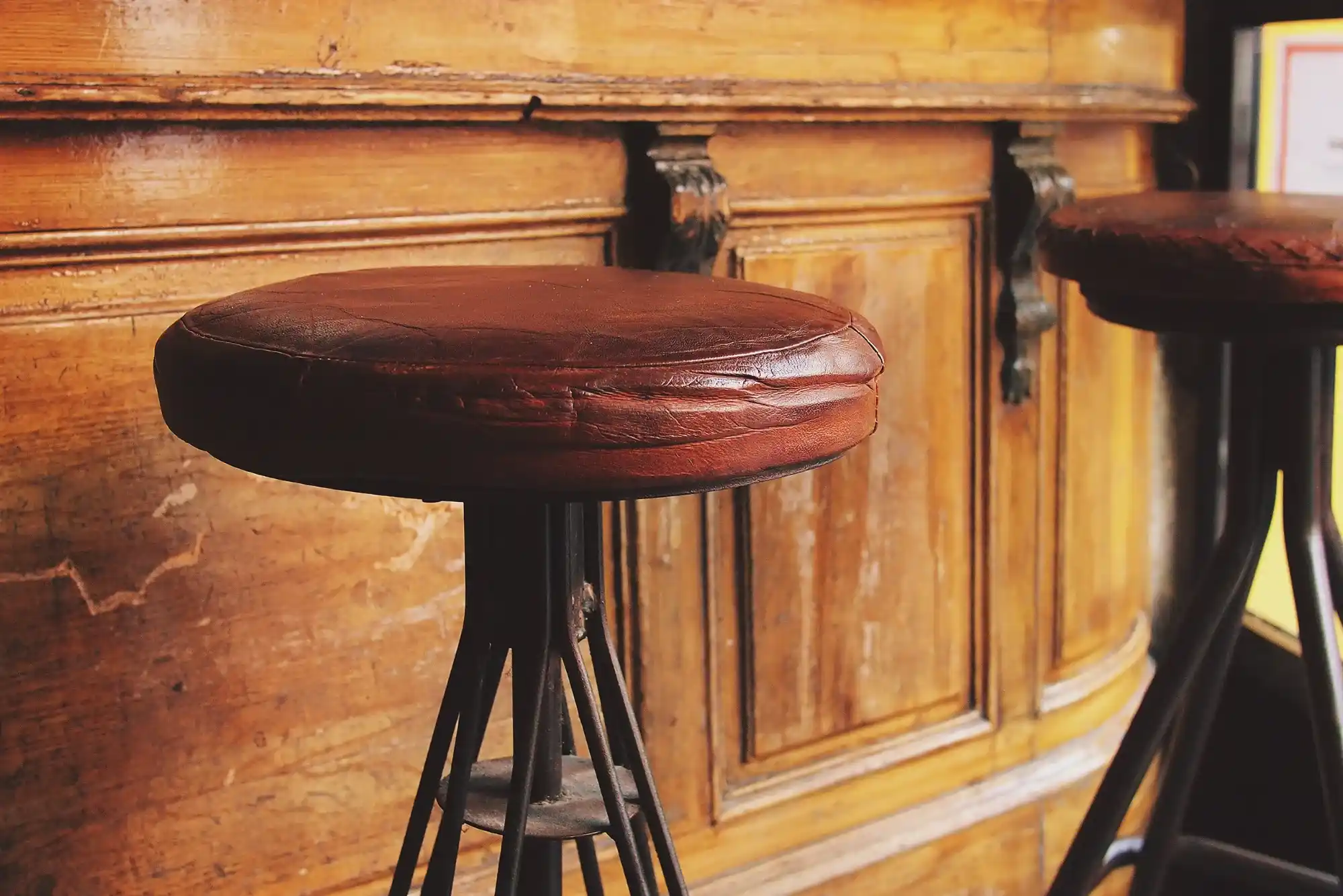
Victorian Britain gave pubs much of their character: etched glass, dark wood, separate bars and snug corners that survive in many towns today. Brewing towns built grand houses to show off their ales, a story told in brick and tile that sits alongside other everyday histories, much like the way British motoring through the decades charted a changing nation. The pub became the anchor of the high street and the village green alike.
Even pub names tell stories. Signs showing the Red Lion, the Crown or the Railway Tavern record centuries of heraldry, monarchy and industry, painted long before most customers could read. A name could honour a landowner, a trade, a battle or a local joke, and regulars still give directions by these landmarks long after street names have changed. The sign outside and the welcome inside belong to the same tradition: the pub as a place where a community recognises itself.
The Local: Heart of the Community
Ask a regular what makes a pub special and they rarely mention the drinks first. The local is where darts teams plan their season, where quiz winnings are argued over happily, where birthdays, christenings and wakes are all marked under the same roof. In rural areas the pub may be the last public building left, which is why community groups have fought to buy and run threatened pubs themselves.
That community spirit echoes the neighbourliness explored in our look at British garage culture, where local businesses quietly hold places together. A good landlord knows names, remembers usual orders and notices when someone has not been in for a while. It is social care disguised as hospitality, and it is a large part of why pubs remain woven into national life.
Etiquette: Rounds, the Bar and Unwritten Rules
Pub etiquette is unwritten but widely understood. Drinks are usually ordered and paid for at the bar; table service is the exception in traditional pubs. When you drink with a group, the round system applies: each person buys for everyone in turn. Accepting a drink in a round carries a friendly obligation to return the favour, and quietly leaving before your round is noticed more than people admit.
There is rarely a formal queue at the bar, yet the bar staff keep a mental order of who arrived when, and regulars respect it. Waving notes or calling out is frowned upon. A raised eyebrow and patience work far better. These small rituals sit comfortably beside other quiet national habits, from the routines in British skincare culture to the courtesies of everyday shopping. The rules are gentle, but they keep the room harmonious.
Pub Food and the Sunday Roast Tradition
Food transformed the modern pub. What began as pickled eggs and pork scratchings grew into full menus, and the Sunday roast became the centrepiece of the week: roast meat, Yorkshire puddings in many regions, vegetables, gravy and a table full of family. Booking ahead for Sunday lunch is wise in popular pubs, and the roast is now as much of a draw as anything poured at the bar.
The rise of the gastropub blurred the line between pub and restaurant, while many locals still pride themselves on honest, unfussy cooking. Interest in where food comes from mirrors wider British habits around quality and craft, themes that also run through British beauty culture and its love of regional makers. A pub kitchen that cooks well gives the whole village a reason to gather.
Darts, Quizzes and Pub Games
Games are the pub’s second language. Darts and dominoes carry league nights through the winter, pool tables anchor the games room, and the pub quiz has become a national institution in its own right. Quiz teams defend weekly titles with a seriousness that is only half joking, and the role of quizmaster, part host and part referee, commands genuine respect.
These traditions of friendly competition have deep roots in industrial and sporting Britain, the same soil that produced the working men’s clubs and the stories behind Ford’s place in British society. Games give strangers an easy way to become acquaintances, and acquaintances a way to become friends, which is really the pub’s oldest purpose.
How Pub Culture Is Changing
Pubs have faced hard decades: changing habits, rising costs and competition from home entertainment have closed many doors. Yet the culture adapts. Low and alcohol-free drinks now sit proudly on the bar, coffee and breakfast menus fill the mornings, and pubs host everything from farmers’ markets to repair cafes. Community-owned pubs have shown that when local people hold a stake, the doors stay open.
What survives is the essence: a public house where the welcome is genuine and the room belongs to everyone. British pub culture has never really been about what is in the glass. It is about the people around the table, and on that measure, the tradition is in good health.