For many motorists, auto repair services are not simply about fixing a vehicle when something goes wrong. Independent garages often become part of everyday life in the communities they serve, helping drivers maintain their cars, prepare for MOTs, deal with unexpected faults and keep essential journeys moving. From a small village workshop to an established town garage, these businesses provide practical support for drivers across Britain.
Independent garages also occupy an important place within the wider British motor trade. They serve customers who may value continuity, local knowledge and direct communication, while often supporting other businesses and skilled trades in their area. For households that depend on a vehicle for commuting, shopping, school runs and family commitments, having a dependable repair option nearby can make vehicle ownership considerably easier to manage.
Why Auto Repair Services Matter to Local Motorists
Cars are used for far more than occasional leisure journeys. Many households rely on vehicles every day, particularly where public transport options are limited or where employment, education and essential services are spread across different locations. When a vehicle develops a fault, the impact can therefore extend beyond the car itself.
Professional auto repair services can cover a wide range of needs, including brake repairs, battery problems, exhaust issues, suspension work, electrical faults, servicing and general mechanical diagnosis. The exact work required depends on the vehicle and its condition, but the underlying objective remains the same: helping the vehicle return to a safe and usable condition.
Regular servicing can also help motorists identify developing problems before they become more disruptive. A garage that knows a customer’s vehicle over time may be able to provide useful context when discussing previous repairs, recurring symptoms or upcoming maintenance requirements.
The Role of Independent Garages in Britain
Independent garages operate differently from large national dealer networks. Some are small family-run workshops, while others have developed into larger regional businesses with several technicians and specialist capabilities. Their size and structure can vary considerably, but many share a strong connection with the local motorists they serve.
For customers, that local connection can make communication more straightforward. A motorist may be able to discuss a problem directly with a mechanic or workshop manager, explain unusual symptoms and ask questions about the recommended repair. Clear communication is particularly valuable when a vehicle requires several pieces of work or when the customer needs to understand which repairs are urgent.
The wider garage network across rural and urban Britain also reflects the different transport needs found in different communities. A rural workshop may serve customers travelling considerable distances, while a city workshop may deal with vehicles that experience frequent short journeys, congestion and stop-start driving.
What Makes a Trusted Repair Shop?
Choosing between different trusted repair shops can be difficult when a motorist does not have mechanical expertise. Price is naturally important, but it is not the only consideration. Drivers can also look for clear explanations, transparent estimates, appropriate communication and evidence that the garage understands the work being carried out.
Before authorising substantial repairs, it can be useful to ask what has been diagnosed, which work is necessary and whether additional repairs may be recommended after further inspection. A written quotation or estimate can also help establish expectations before work begins.
Consumer guidance for car repairs in the UK highlights the importance of reasonable skill and care, suitable replacement parts and reasonable completion times where applicable. Keeping records of quotations, invoices and communications can therefore be useful if questions later arise about the work carried out.
Motorists can also use official guidance when dealing with MOT-related issues. GOV.UK explains that vehicles must meet the required roadworthiness standards and provides information about MOT results, repairs and retesting procedures.
Independent Garages and British Trades
The independent garage sector is part of a much broader network of British trades. A workshop may purchase parts from automotive suppliers, use specialist diagnostic equipment, work with tyre businesses or coordinate with body repair specialists. These connections help create a wider local commercial ecosystem.
Family-run workshops can have an especially visible role in smaller communities. A business that has operated locally for years may serve several generations of customers and become familiar with the vehicles and driving patterns common in its area. That familiarity does not replace professional diagnosis, but it can contribute to a more personal customer experience.
Local businesses also contribute to the practical infrastructure that allows communities to function. When a household depends on a car to reach work, school or essential services, access to a nearby repair business can become an important part of maintaining that mobility.
Choosing Local Mechanics for Routine Maintenance
Routine maintenance should not be viewed only as an expense that occurs when something fails. Oil and filter servicing, brake inspections, tyre checks, battery testing and other maintenance tasks can form part of a sensible ownership routine.
Drivers can learn more about vehicle maintenance through the seasons because British weather can create different challenges throughout the year. Cold temperatures, wet roads, summer heat and periods of heavy rainfall can all influence how motorists use and maintain their vehicles.
Local mechanics can also help explain which maintenance items deserve attention based on the vehicle’s age, mileage and condition. A sensible maintenance discussion should focus on the actual requirements of the vehicle rather than encouraging unnecessary work.
Auto Repair Services for British Families
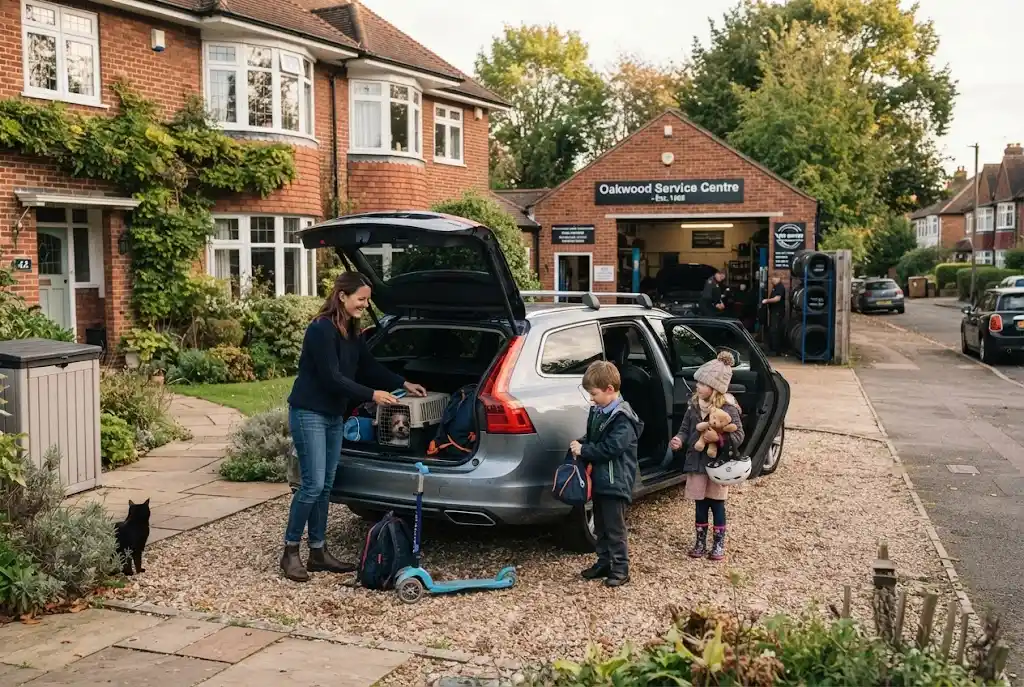
For families, vehicle reliability can be closely connected with household planning. A car may be needed for commuting in the morning, school runs during the day, shopping trips and appointments in the evening. When the vehicle is unavailable, arranging alternative transport can quickly become complicated.
This is why auto care services for British family life deserve attention beyond emergency repairs. Maintaining a household vehicle can involve budgeting for servicing, tyres, MOT-related work and unexpected mechanical problems throughout the year.
Families can benefit from keeping track of servicing dates, MOT deadlines, tyre condition and warning lights. Planning routine work ahead of time may also reduce the likelihood of a minor maintenance issue becoming a larger disruption.
Neighbourhood Garages and Community Businesses
Neighbourhood garages can provide a useful service for motorists who prefer to deal with a business close to home or work. Convenience matters when a vehicle needs to be left at a workshop, particularly for households with limited access to alternative transport.
Community businesses can also develop their reputation through repeated local interactions. Recommendations from friends, family members and colleagues may influence where motorists choose to take their vehicles, although customers should still make their own assessment of a garage’s suitability for the required work.
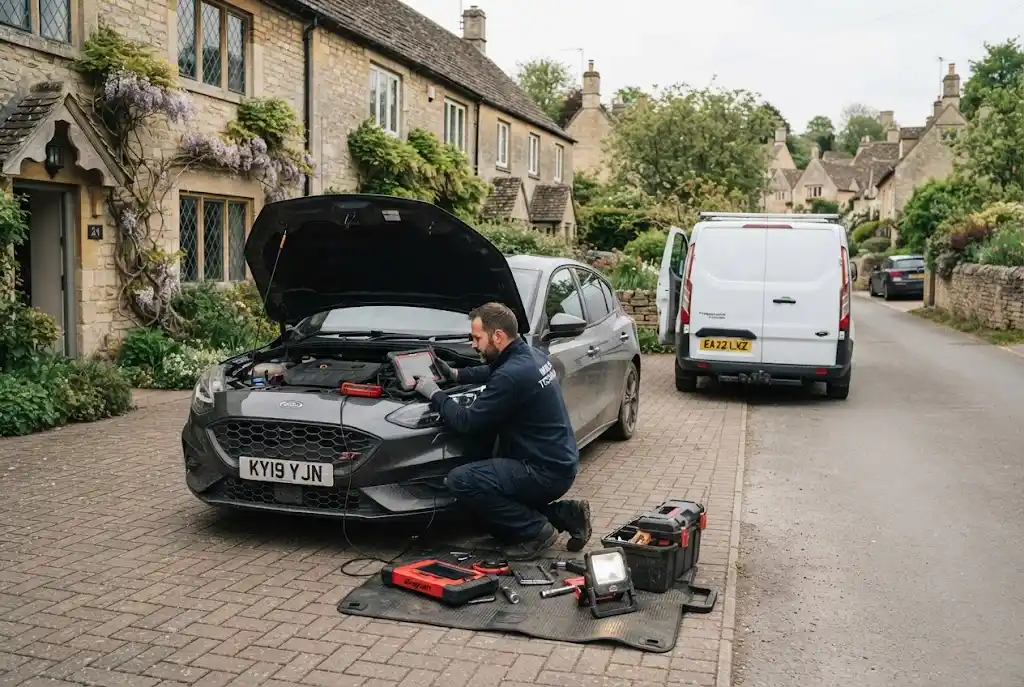
The same principle applies to mobile auto service options across Britain. Where available, mobile mechanics can provide another way of addressing certain vehicle problems, particularly when taking the vehicle to a workshop is inconvenient or impractical.
Understanding Garage Services Before Authorising Repairs
Good communication between a motorist and a garage can prevent misunderstandings. When booking work, drivers can describe the symptoms as accurately as possible, including unusual noises, warning lights, starting problems or changes in vehicle behaviour.
It is also worth asking whether the garage has identified a confirmed fault or whether further diagnosis is required. Modern vehicles contain increasingly complex electronic systems, so a dashboard warning light does not necessarily identify the precise component that needs replacing.
If an MOT has identified defects, motorists should understand what has failed and what needs to be repaired. GOV.UK guidance explains that certain MOT failures can affect whether a vehicle can legally be driven, particularly where dangerous defects are involved.
Supporting Reliable Motoring Across Britain
Independent garages are part of the everyday infrastructure of British motoring. Their role extends from straightforward servicing and mechanical repairs to helping motorists understand vehicle problems and plan future maintenance.
Whether a customer uses a village garage, town workshop, city service centre or specialist regional business, the fundamentals remain important: appropriate diagnosis, competent workmanship, clear communication and suitable maintenance.
For motorists looking at the wider picture, garages in rural and urban Britain demonstrate how local automotive services adapt to different communities, while seasonal vehicle maintenance highlights the importance of preparing cars for changing driving conditions.
For households, the connection is equally practical. Reliable auto repair services can help keep family transport available, support daily commuting and reduce disruption when mechanical problems arise. In this way, independent garages remain closely connected with the communities and motorists they serve.
Final Thoughts on Independent Garage Services
The British independent garage represents more than a place where vehicles are repaired. It is part of a network of local businesses, skilled trades and community services that supports everyday mobility.
For motorists, the most useful approach is to choose repair providers carefully, communicate clearly about vehicle problems, keep maintenance records and understand what work is being recommended. Building a relationship with a reliable local workshop can make routine vehicle ownership easier to manage while giving drivers a practical point of contact when unexpected problems occur.
As vehicle ownership continues to evolve, independent garages will remain relevant because motorists still need accessible expertise, maintenance and repair support close to the communities where they live and work.