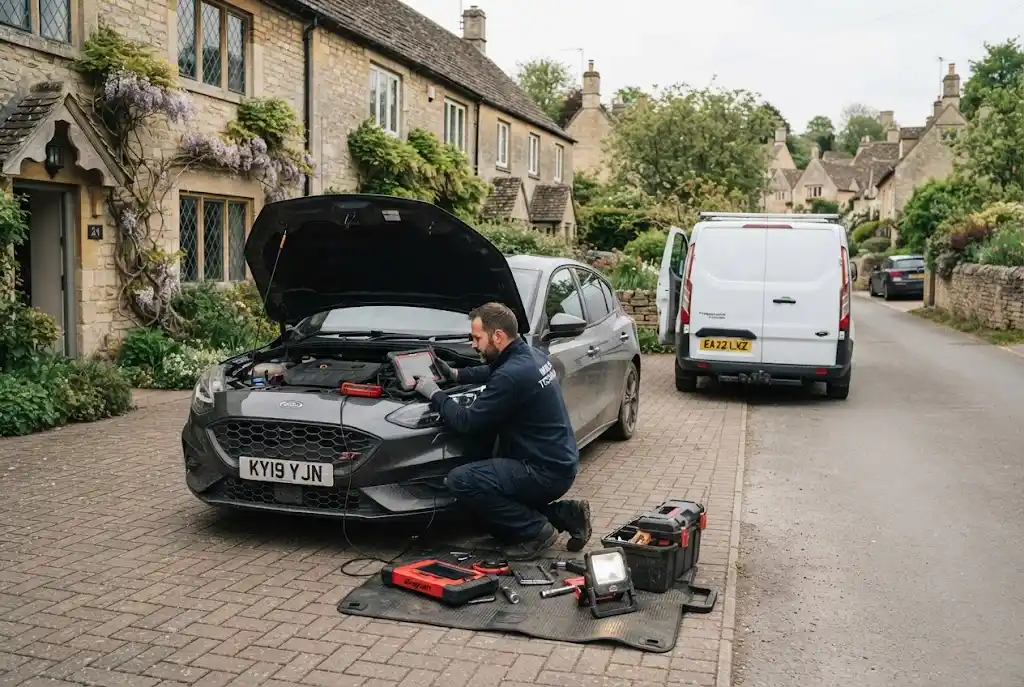
Auto care services can play an important role in British family life because many households depend on vehicles for work, education, shopping, appointments and everyday travel. For some families, a car is used several times a day, while others rely on a vehicle primarily for commuting, weekend journeys or longer trips. Whatever the pattern, maintaining a household vehicle can help make daily transport more predictable and manageable.
Car ownership involves more than responding to a breakdown. Regular servicing, tyre checks, MOT preparation, fluid inspections and timely repairs all form part of responsible ownership. For families balancing household expenses and busy schedules, having a practical approach to vehicle care can also make it easier to plan maintenance costs and avoid unnecessary disruption.
Why Auto Care Services Matter to British Families
Modern family life often involves several journeys within a single day. A parent might drive to work, collect children from school, visit the supermarket and attend an appointment before returning home. In areas with limited public transport, these journeys may depend heavily on a household vehicle.
Reliable auto care services can support this routine by helping motorists address maintenance requirements before they become major problems. Servicing and inspections can identify issues that may otherwise develop into more disruptive faults.
The appropriate maintenance schedule depends on the vehicle, its age, mileage and manufacturer recommendations. Families should therefore use their vehicle’s service information as the starting point and seek professional advice when warning signs or mechanical problems appear.
Family Transport and Everyday Vehicle Use
Family transport can place a vehicle under a wide variety of demands. Frequent short journeys, longer motorway trips, carrying passengers and transporting luggage can all form part of ordinary household motoring.
Short journeys can be particularly relevant when considering maintenance because a vehicle may not always reach normal operating conditions before being switched off. Families who mainly use their car for short trips can discuss their driving pattern with a suitable garage when planning servicing.
Longer journeys bring different considerations. Before a holiday or extended family trip, drivers can check tyres, lights, windscreen visibility and fluid levels. Any warning lights or unusual vehicle behaviour should be investigated before setting out.
Managing the School Run
The daily school run can make vehicle reliability especially important. Parents and carers may have limited flexibility in the morning, so an unexpected mechanical problem can affect work schedules as well as school arrangements.
Simple checks can help families stay aware of their vehicle’s condition. Drivers can monitor tyre pressures, pay attention to warning lights and make sure that windscreens, lights and wipers remain in good working order.
When a vehicle requires professional attention, planning the work around the family’s schedule may also reduce disruption. Local workshops can sometimes offer appointment times that make it easier to combine vehicle maintenance with other daily commitments.
Household Vehicles and Maintenance Planning
Some households rely on a single vehicle, while others have several cars or a combination of cars and other vehicles. Each vehicle creates its own maintenance responsibilities.
Keeping a simple record of servicing, repairs, tyre replacement and MOT dates can help families understand when future expenses may arise. It can also prevent important deadlines from being overlooked.
Vehicle maintenance should not be treated as an entirely unexpected cost. While major mechanical failures cannot always be predicted, routine servicing and planned replacement of consumable components can be incorporated into a household budget.
Family Budgeting for Car Care
Family budgeting is an important part of practical motoring. Fuel, insurance, vehicle tax where applicable, servicing, tyres, repairs and other ownership costs can all contribute to the total cost of running a car.
Planning for routine maintenance can make these expenses easier to manage. Families may also find it useful to distinguish between essential safety-related repairs, scheduled maintenance and optional work.
When a garage recommends additional work, motorists can ask what has been identified, why it is required and whether it is urgent. Clear communication helps customers understand the reason for an expense before authorising significant repairs.
Choosing Local Auto Care Services
A local garage can be a convenient option for families that want a workshop within reasonable travelling distance. This can be particularly useful when a vehicle needs to remain at the garage for several hours or longer.
Drivers can look for appropriate experience, clear communication and evidence that the garage is equipped for the work required. For more information about the wider role of local workshops, see auto repair services from independent British garages.
Independent garages may also become familiar with repeat customers and their vehicles. That familiarity can make it easier to discuss previous repairs or recurring issues, although every new fault should still be properly diagnosed.
Practical Motoring Through the Seasons
British weather changes considerably throughout the year, and families should take seasonal conditions into account when maintaining their vehicles.
Winter can bring colder temperatures, frost, heavy rain and reduced daylight. Tyres, batteries, lights, wipers and screenwash deserve particular attention before and during colder periods.
Summer may involve higher temperatures and longer journeys. Cooling systems, air conditioning, tyre pressures and general vehicle condition can become more relevant when a family is preparing for extended travel.
A detailed guide to vehicle maintenance through the seasons can help motorists develop a more structured approach to these changing requirements.
Commuting and Household Mobility
For many households, a car is directly connected to employment. A daily commute may involve travelling between a rural home and an urban workplace or moving between towns where public transport is not convenient.
When a vehicle is essential for employment, preventative maintenance can have practical value. Addressing an unusual noise, warning light or starting problem early may help prevent a more disruptive situation later, although no maintenance routine can eliminate the possibility of unexpected breakdowns.
Families can also consider how they would manage transport if their main vehicle became unavailable. Knowing which local garages, recovery providers or mobile services operate nearby can provide useful contingency planning.
Community Mobility and Local Businesses
Vehicles contribute to community mobility by connecting households with workplaces, schools, shops and services. This role can be especially important outside major urban centres, where distances between destinations can be greater.
Local automotive businesses form part of this wider mobility network. Garages, mobile mechanics, tyre businesses and vehicle recovery providers can each support motorists in different ways.
The importance of local services can vary according to geography. Rural and urban auto service garages often encounter different driving patterns and customer requirements, reflecting the diverse ways British households use their vehicles.
When a Family Needs Mobile Vehicle Support
Sometimes taking a vehicle to a conventional workshop is inconvenient or impossible. A car may fail at home, at a workplace or in another location where arranging recovery is difficult.
Depending on the fault, a mobile auto service may provide an alternative. Mobile mechanics can sometimes diagnose or repair suitable problems at the vehicle’s location, although more complex repairs may still require a fully equipped workshop.
When booking mobile assistance, motorists should describe the vehicle’s symptoms accurately and provide relevant information about warning lights or recent problems. This can help the service provider determine whether the job is suitable for a mobile visit.
Building Better Ownership Habits
Ownership habits can influence how effectively a household manages vehicle costs and reliability. Regularly checking the vehicle, keeping service records and responding promptly to warning signs are simple practices that can support responsible ownership.
Families can also schedule maintenance around their routines. For example, a service appointment before a planned long-distance journey may be more convenient than discovering a problem immediately before departure.
Drivers should also avoid ignoring safety-related symptoms simply because the vehicle remains driveable. Problems involving brakes, steering, tyres or significant warning lights deserve appropriate professional attention.
Auto Care Services and the Modern British Household
Cars remain an important part of everyday transport for many British households. They connect families with employment, education, shopping, leisure activities and essential services.
For that reason, auto care services should be considered part of a wider ownership routine rather than something used only after a breakdown. Servicing, inspections and sensible maintenance can help families understand the condition of their vehicles and plan for foreseeable expenses.
Whether a household uses one car or several, the principles remain similar: follow the manufacturer’s maintenance recommendations, keep track of servicing and MOT requirements, address faults promptly and choose suitably equipped professionals when specialist work is needed.
Final Thoughts on Family Vehicle Care
Family motoring is often built around practical routines rather than occasional journeys. From school runs and commuting to shopping and weekend travel, a household vehicle can support a wide range of everyday responsibilities.
Good vehicle care does not guarantee that breakdowns or unexpected repairs will never occur. However, maintaining sensible routines can make ownership more organised and help families identify problems before they become more disruptive.
By combining regular maintenance, realistic budgeting and access to reliable local automotive professionals, British households can take a more structured approach to keeping their vehicles ready for everyday life.