An auto service garage can play an important role in keeping British motorists mobile, whether it operates in a quiet village, a busy town or a densely populated city. Although the basic purpose of a garage remains the same, the needs of customers can vary considerably depending on where they live and how they use their vehicles.
Rural motorists may depend heavily on their cars because distances between homes, workplaces and essential services can be considerable. In urban areas, drivers may face congestion, parking limitations and frequent short journeys instead. Understanding these differences helps explain why village garages, town garages and city workshops can develop distinct approaches while continuing to provide essential vehicle services.
What an Auto Service Garage Provides
An auto service garage typically provides motorists with access to vehicle servicing, inspection, diagnostics, maintenance and mechanical repairs. The exact services available depend on the business, its equipment and the expertise of its technicians.
Routine work may include servicing, brake inspections, battery checks, tyre-related work and investigation of warning lights or unusual vehicle behaviour. More complicated repairs can require specialist diagnostic equipment or additional technical expertise.
For motorists, the important consideration is whether a garage is suitably equipped and experienced for the particular vehicle and repair required. A clear explanation of the work, together with appropriate estimates and documentation, can also make the repair process easier to understand.
Village Garages and Rural Mechanics
Village garages can be particularly important where public transport is limited and residents rely on private vehicles for everyday journeys. A car may be needed to reach employment, schools, supermarkets, medical appointments and other services located several miles away.
For these motorists, losing access to a vehicle can create a significant practical problem. A nearby garage can therefore provide more than mechanical expertise; it can offer a convenient local point of support when a vehicle requires servicing or repair.
Rural mechanics may also encounter a wide range of vehicle-use patterns. Customers could include commuters travelling between rural communities and larger towns, agricultural workers, families managing several vehicles and motorists who regularly cover longer distances.
These circumstances can influence maintenance discussions. Mileage, journey patterns, vehicle age and operating conditions are all relevant when considering appropriate maintenance. Drivers can also benefit from planning routine servicing rather than waiting until a mechanical problem prevents the vehicle from being used.
Town Garages and Changing Customer Needs
Town garages occupy a middle ground between many rural and city environments. They may serve customers from the town itself as well as motorists from surrounding villages and smaller communities.
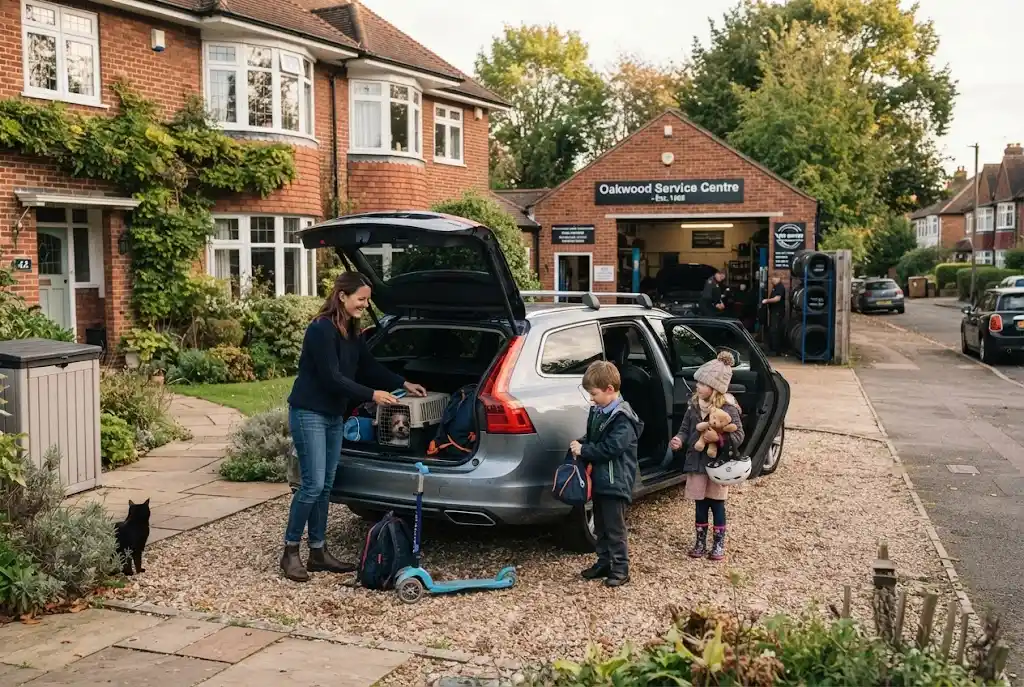
This can give a local workshop a broad customer base with different motoring requirements. One customer may use a vehicle mainly for short local trips, while another may commute to a nearby city every day. A family may depend on an estate car or SUV, whereas another household may primarily use a small hatchback.
Town workshops can therefore become useful hubs for a wider regional community. Their location may make them accessible to motorists who want professional servicing without travelling into a major city.
City Workshops and Urban Motoring
City workshops operate within a different motoring environment. Urban motorists often deal with heavy traffic, frequent stopping and starting, restricted parking and high levels of daily vehicle use.
Some city residents also make shorter journeys or combine driving with public transport, cycling and walking. However, even motorists who drive less frequently still need to keep their vehicles roadworthy and address faults when they arise.
Urban workshops may also see customers who need convenient appointment scheduling because leaving a vehicle at a garage can interfere with work and other commitments. Location and accessibility can therefore be significant considerations when choosing a service provider.
Auto Service Garage Needs Across Different Regions
There are clear regional differences in the way motorists use vehicles across Britain, although individual circumstances vary considerably. Geography, population density, commuting patterns and access to public transport can all influence vehicle dependence.
A household in a remote rural community may cover substantial distances simply to reach essential services. Meanwhile, an urban household may own a vehicle that is primarily used for weekend journeys, family trips or commuting outside the city.
These differences do not mean that one type of garage is universally suitable. Instead, motorists should consider the nature of their own vehicle use when choosing where to obtain servicing and repairs.
For a broader look at this subject, auto repair services from independent British garages provide useful context about the role local workshops can play in everyday motoring.
Community Support Through Local Garages
Local automotive businesses can contribute to community support by providing services that help residents maintain access to work, education, shopping and other activities. This role can be particularly visible in places where alternative transport options are less convenient.
A garage is also part of a wider local business network. It may purchase parts and equipment from suppliers, work with tyre specialists, use local recovery services or refer customers to other automotive trades where specialist work is required.
In this sense, garages can form part of the commercial infrastructure of towns and communities. Their contribution is practical rather than simply financial: keeping vehicles maintained helps people continue making the journeys that support everyday local life.
Local Service Centres and Routine Vehicle Care
Local service centres can help motorists establish regular maintenance routines. Instead of viewing servicing only as something required after a breakdown, drivers can treat it as part of responsible vehicle ownership.
Maintenance requirements vary according to the vehicle, manufacturer recommendations, mileage and usage. Drivers should therefore follow the appropriate servicing information for their own vehicle and discuss unusual symptoms with a qualified professional.
Seasonal conditions can also affect how vehicles are used. British motorists can explore vehicle maintenance through the seasons to understand why winter conditions, summer driving and changing weather can influence practical maintenance routines.
Public Services and Vehicle Dependence
Private vehicles can sometimes provide an important link between households and public services. This can be especially relevant where residents live outside major population centres and need to travel to reach hospitals, schools, government offices or other facilities.
When a vehicle becomes unavailable, arranging alternative transport may take additional time and planning. A functioning local garage can therefore be a useful resource for motorists dealing with maintenance or mechanical problems.
This does not mean every repair needs to be completed immediately or that every vehicle requires the same maintenance schedule. Instead, motorists should understand the condition of their vehicle, identify safety-related problems promptly and plan routine work according to the vehicle manufacturer’s requirements and professional advice.
Choosing the Right Garage for Your Location
The best choice of garage depends on the individual circumstances of the motorist. Someone living in a village may prioritise proximity and convenience, particularly if alternative transport is limited. A town resident may want a workshop that serves a wider regional area, while a city driver might place greater emphasis on accessibility and appointment availability.
Regardless of location, customers can look for clear communication, transparent pricing, appropriate qualifications and evidence that the garage has the equipment needed for the required work. It is also sensible to ask questions before approving significant repairs.
Drivers who rely on vehicles for family commitments may find it particularly useful to plan maintenance ahead of important journeys. The wider role of cars in household life is explored in auto care services and British family life, where routine vehicle ownership is considered from a practical household perspective.
Mobile Services and Changing Garage Options
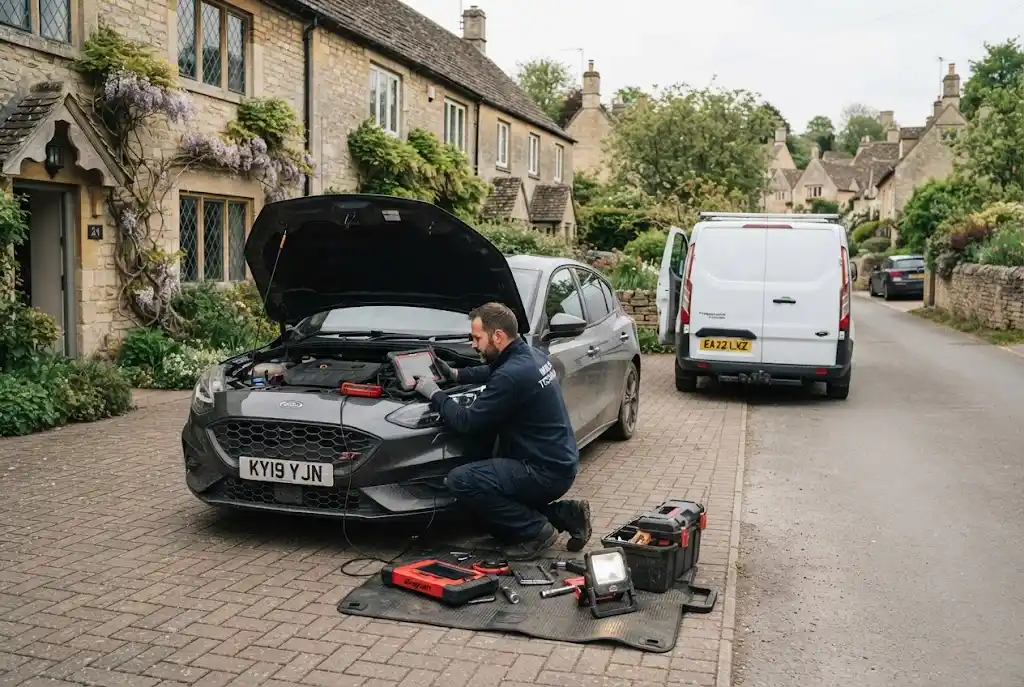
Traditional workshops are not the only option available to British motorists. Mobile auto service providers can sometimes carry out suitable repairs or maintenance at a customer’s home, workplace or another agreed location.
This approach may be particularly useful when moving the vehicle to a workshop is difficult. However, not every repair can be completed away from a fully equipped garage, so customers should explain the vehicle’s symptoms before arranging a mobile appointment.
Keeping Britain Moving Through Local Automotive Services
From village garages to city workshops, local automotive businesses respond to the different circumstances of British motorists. Their services help households maintain vehicles that may be essential for commuting, family responsibilities, shopping and regional travel.
An auto service garage in a rural community may operate differently from a city workshop, but both can provide an important connection between motorists and the practical expertise required to maintain vehicles.
Understanding local conditions, planning routine maintenance and selecting an appropriately equipped garage can help drivers manage vehicle ownership more effectively. Whether a motorist lives in a village, town or city, reliable access to professional automotive services remains an important part of everyday mobility.