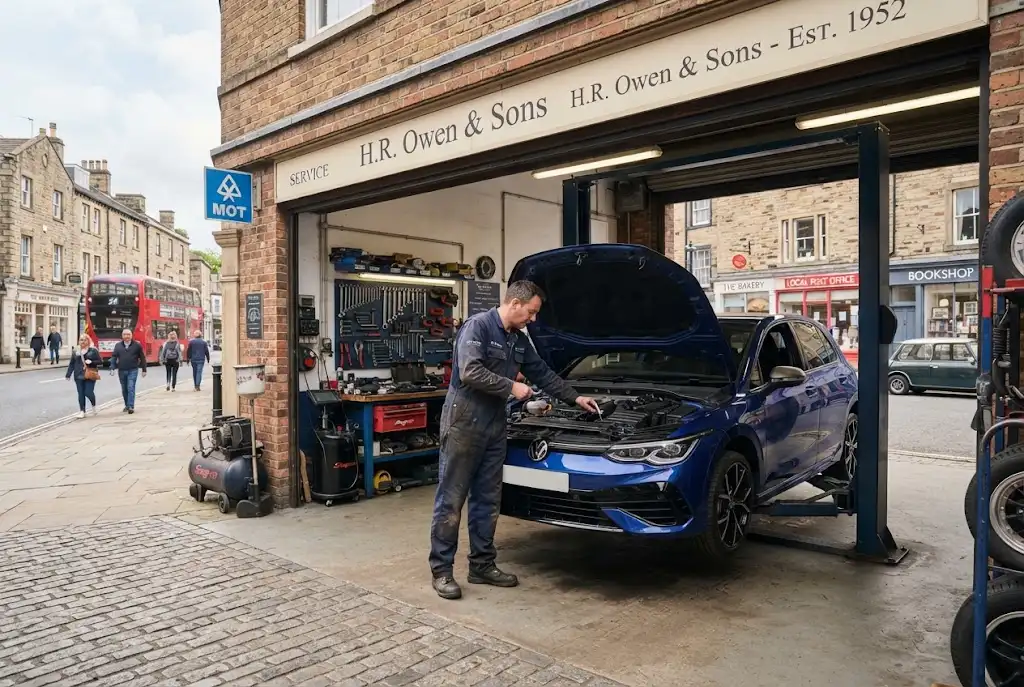
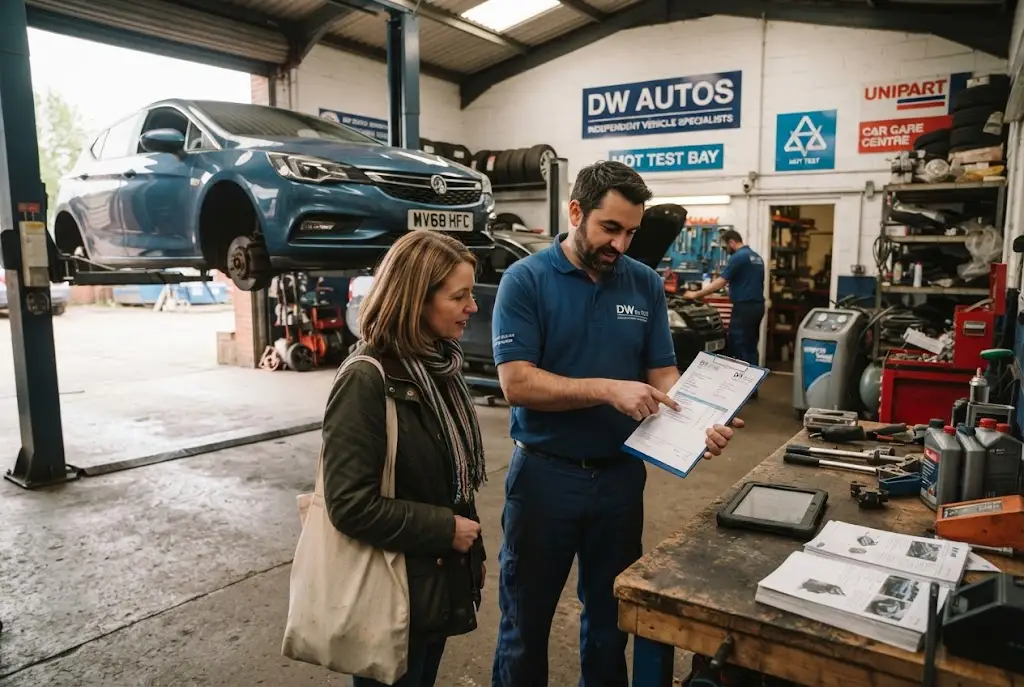
A vehicle inspection in the UK is an essential part of maintaining your car’s safety, reliability, and performance. Whether it’s a routine check or a pre-purchase inspection, understanding what’s involved can help you avoid costly surprises.
Regular inspections not only ensure your vehicle meets legal standards but also help detect minor issues before they turn into major repairs.
What Is a Vehicle Inspection?
A vehicle inspection is a thorough check of your car’s condition, covering mechanical, safety, and sometimes cosmetic aspects. It can be carried out by professional mechanics, inspection services, or authorised testing centres.
Types of Vehicle Inspections in the UK
MOT Test
The MOT test is a legal requirement for most vehicles over three years old. It checks roadworthiness, emissions, and safety components.
Pre-Purchase Inspection
If you’re buying a used car, a pre-purchase inspection helps ensure the vehicle is in good condition and worth the price.
Routine Safety Inspection
Routine inspections are recommended as part of regular maintenance to keep your car running efficiently.
What Does a Vehicle Inspection Cover?
A standard inspection typically includes:
- Brakes and tyres condition
- Engine performance and leaks
- Suspension and steering
- Lights and electrical systems
- Fluid levels and filters
Regular checks like these can reduce overall car repair cost by catching issues early.
Vehicle Inspection Costs in the UK
The cost of a vehicle inspection depends on the type and depth of the check.
- MOT test: up to £54.85 (maximum legal fee)
- Basic inspection: £50–£150
- Comprehensive inspection: £150–£300+
Although inspections involve an upfront cost, they often save money by preventing expensive repairs later.
Mobile Vehicle Inspection Services
Many drivers now choose mobile inspection services for convenience.
A mobile mechanic can perform inspections at your home or workplace, making it easier to fit into your schedule.
Why Regular Inspections Are Important
Improved Safety
Routine checks ensure your vehicle is safe to drive and reduces the risk of breakdowns.
Lower Repair Costs
Early detection of faults prevents them from becoming major issues, helping you avoid high repair bills.
Better Resale Value
A well-maintained vehicle with a documented inspection history is more attractive to buyers.
Inspection vs Servicing: What’s the Difference?
While inspections and servicing are related, they are not the same.
- Inspection: Identifies problems
- Servicing: Fixes and maintains components
Combining inspections with a regular service plan ensures your car stays in optimal condition.
Signs Your Car Needs an Inspection
You should consider booking an inspection if you notice:
- Unusual noises or vibrations
- Warning lights on the dashboard
- Reduced performance or fuel efficiency
- Uneven tyre wear
Addressing these issues early can prevent more serious problems.
Choosing a Reliable Inspection Service
To get accurate results, choose a trusted provider.
- Look for certified technicians
- Check customer reviews
- Ask for a detailed report
- Ensure transparent pricing
Specialised centres like a tyre and exhaust centre can also provide targeted inspections for specific components.
How to Prepare for a Vehicle Inspection
Before your inspection, you can take a few simple steps:
- Clean your vehicle inside and out
- Check fluid levels
- Ensure tyres are properly inflated
- Bring service records if available
This helps the inspector perform a thorough and efficient check.
Final Thoughts
A vehicle inspection UK service is a vital part of responsible car ownership. It ensures safety, improves performance, and helps you avoid unexpected repair costs.
By scheduling regular inspections and acting on any issues found, you can extend the lifespan of your vehicle and enjoy a smoother driving experience.
For official guidance on MOT tests and vehicle safety, visit the MOT test information page.