The UK national parks protect some of the most loved landscapes in Britain, from the mirror-still lakes of Cumbria to the wild coastline of Pembrokeshire, yet many of us have only ever visited one or two of them. There are fifteen in total, each with its own character, and each close enough to home for a long weekend. This beginner’s guide introduces all fifteen parks, explains what each does best, and helps you plan a first trip that leaves you wanting to see the rest.
How many UK national parks are there?
There are fifteen UK national parks: ten in England, two in Scotland and three in Wales. The Peak District, designated in 1951, was the first, created after decades of campaigning for public access to the countryside. England’s ten are the Peak District, the Lake District, Dartmoor, Exmoor, the New Forest, the North York Moors, the Yorkshire Dales, Northumberland, the South Downs and the Broads. Scotland contributes Loch Lomond and the Trossachs and the Cairngorms, the largest of them all. Wales adds Snowdonia, now widely known by its Welsh name Eryri, the Pembrokeshire Coast and the Brecon Beacons, or Bannau Brycheiniog.
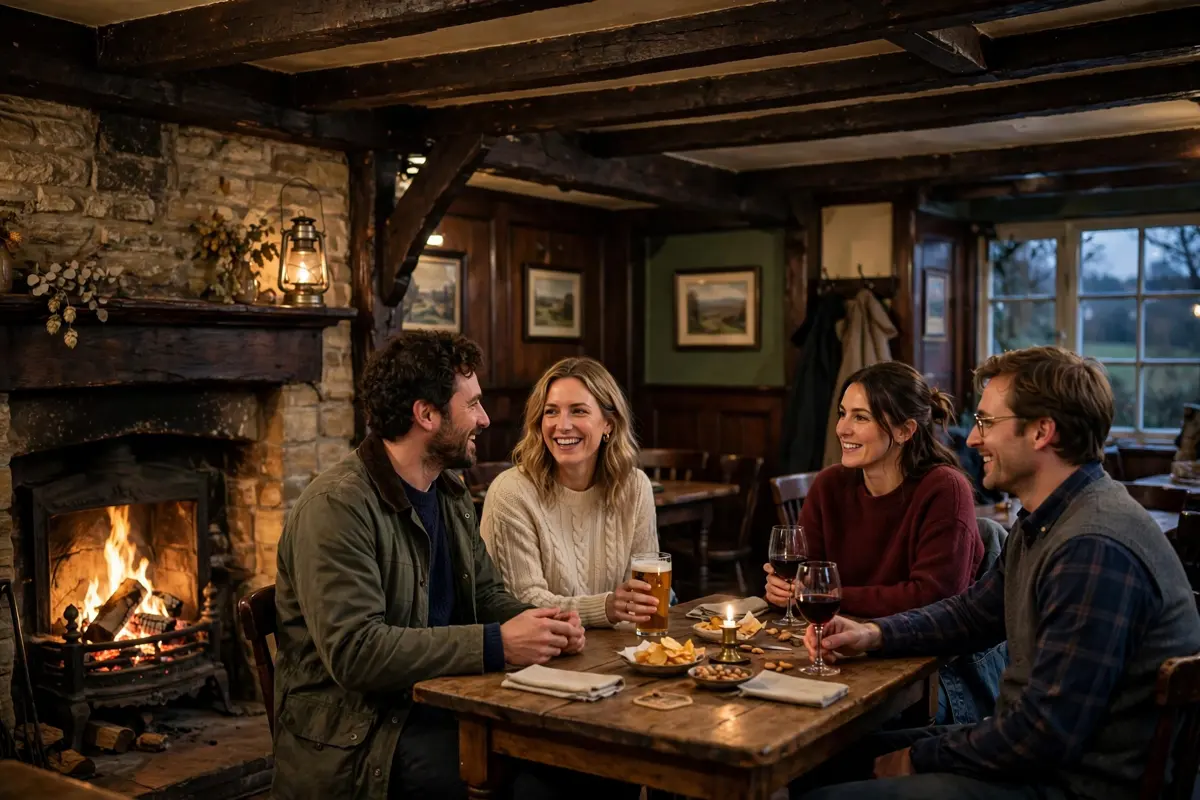
Unlike the vast wilderness parks of North America, British national parks are living, working landscapes. People farm them, villages sit inside them, and most of the land is privately owned. That is part of their charm: a day’s walking can end at a village pub rather than a park gate, and the traditions of the British country pub are woven into almost every visit.
The parks at a glance
For mountains and drama, start with Eryri and the Lake District. Eryri holds Yr Wyddfa, the highest peak in Wales, surrounded by slate villages and steam railways, while the Lakes combine England’s highest mountain, Scafell Pike, with sixteen major lakes and a deep literary heritage. The Cairngorms answer with scale: ancient pine forest, five of Scotland’s six highest summits and red squirrels in the trees.
If coast is what you want, the Pembrokeshire Coast is the only national park in Britain that is primarily coastal, with a long-distance path tracing cliffs, coves and seal colonies. Exmoor and the South Downs offer gentler walking within easy reach of the south, while the Broads are unlike anywhere else in the list: a network of rivers and shallow lakes in Norfolk and Suffolk best explored by boat. The North York Moors pair heather moorland with heritage railways and fishing villages, the Yorkshire Dales are a landscape of limestone pavements and waterfalls, and Northumberland, the most tranquil of the fifteen, holds an International Dark Sky Park where the Milky Way pours overhead on clear nights.
Two parks deserve a special mention because they break the upland pattern. Dartmoor is a landscape of granite tors, ancient woodland and ponies grazing open moor, threaded with the remains of Bronze Age settlements that make a walk feel like a journey through deep time. Loch Lomond and the Trossachs, meanwhile, pair Scotland’s largest loch by surface area with the forested hills often called the Highlands in miniature, and the West Highland Way long-distance trail passes straight through the park for anyone tempted by a first multi-day walk. Between them, these two parks show how wide the family of fifteen really is: not just mountains, but moor, forest, loch and coast, each protected for the same reason — that some landscapes are too valuable to leave to chance.
Choosing your first park
Beginners often do best with the Peak District or the South Downs. Both are close to major cities, threaded with well-signed paths, and forgiving if the weather turns. Walkers ready for bigger hills can head straight for the Lakes or Eryri, but should respect the mountains: conditions at the top can be wintry in any month. Families tend to love the New Forest, where ponies wander the lanes and the cycling is flat and safe, while anyone seeking quiet should aim for Northumberland or the Cambrian edge of Bannau Brycheiniog outside the holiday peaks.
Think about the season, too. Spring brings lambs and bluebells to the Dales and the Downs; autumn colours the New Forest and Loch Lomond. Winter belongs to the brave in the Cairngorms, where ski touring and Britain’s only reindeer herd reward the trip. Every park authority runs a website with route suggestions graded by difficulty, which makes planning a first visit far easier than it once was.
Getting there and getting around
Most visitors drive, and a car gives you the freedom to reach trailheads that buses never touch. If you are shopping for a vehicle with countryside trips in mind, our guide to buying used cars in the UK and the overview of how Britain buys cars online through AutoTrader are useful starting points. Before a long drive to a remote valley, make sure the car is ready: a tired battery is the classic cause of a spoiled departure, so read the warning signs in our car battery replacement guide, and for anything more serious, our comparison of Britain’s best-known garage chains explains where to get work done properly.
Trains serve more parks than you might expect: Windermere for the Lakes, the Cambrian line for Eryri’s coast, and stations across the South Downs. Once there, park-and-ride buses, bike hire and boat trips cover most needs, and walking remains the whole point. Park in designated car parks, keep to paths across farmland, and close every gate behind you.
Planning tips for a first visit
Book accommodation early for the Lakes, Eryri and the Pembrokeshire Coast in summer, when small villages fill quickly. Pack for a change of weather whatever the forecast says, carry water and a paper map alongside your phone, and tell someone your route if you are heading onto high ground. Dogs are welcome in most areas but must be controlled around livestock, especially during lambing season. Above all, follow the leave-no-trace principle: the parks stay beautiful because visitors take their litter home and leave gates, walls and wildlife exactly as they found them.
Fifteen parks is a lifetime list rather than a single holiday, and that is the pleasure of it. Pick one, walk it slowly, learn its moods, and let it lead you to the next. The UK national parks reward exactly that kind of attention, season after season.