Vehicle maintenance is an important part of responsible car ownership, and the changing British climate makes a seasonal approach particularly useful. Cold temperatures, rain, road salt, heat and changing daylight conditions can all influence how motorists use their vehicles throughout the year. Regular checks can help drivers identify potential problems before they become disruptive and keep everyday journeys safer and more predictable.
Seasonal maintenance does not mean every car needs the same work at the same time. The appropriate schedule depends on the vehicle, its age, mileage, condition and manufacturer’s recommendations. However, understanding common seasonal considerations gives motorists a practical framework for looking after their cars and preparing for different driving conditions.
Why Vehicle Maintenance Matters Throughout the Year
A car can experience different demands depending on the season. During winter, cold weather and darker driving conditions can make a well-maintained battery, tyres, lights and windscreen particularly important. Summer can bring higher temperatures, longer journeys and increased use of air conditioning.
Regular vehicle maintenance can include servicing, checking fluid levels, inspecting tyres, monitoring warning lights and addressing unusual noises or changes in vehicle behaviour. Some tasks are straightforward visual checks, while others should be carried out by a suitably qualified professional.
Following the manufacturer’s recommended service intervals is also important. A vehicle’s service schedule is designed around its particular mechanical and technical requirements rather than a generic seasonal timetable.
Vehicle Maintenance Before Winter
Winter presents several challenges for British motorists. Lower temperatures, wet roads, frost, reduced daylight and occasional snow or ice can make driving conditions more demanding.
One of the most useful preparations is checking the condition and pressure of the tyres. Tyres need appropriate tread and inflation, while visible damage should not be ignored. Drivers should also make sure that lights are working correctly because winter journeys often involve driving in darkness or poor visibility.
The battery deserves attention as well. Cold weather can place additional demands on vehicle batteries, particularly when a car is used for short journeys. If the battery has already shown signs of weakness, such as slow engine cranking, motorists can arrange an inspection before colder conditions arrive.
Windscreen washers should be kept topped up with suitable screenwash, while wiper blades should be checked for signs of deterioration. Clear windows and functioning wipers are essential when rain, spray, frost or road grime reduces visibility.
Winter Maintenance and Road Safety
Winter maintenance is closely connected with road safety because poor weather can expose weaknesses that may not be obvious during milder conditions.
Drivers should take warning lights seriously and avoid delaying investigations into significant mechanical symptoms. Problems involving brakes, steering, tyres or visibility can become especially important when roads are wet, icy or contaminated with winter debris.
It is also sensible to keep essential items in the vehicle for longer winter journeys. A charged phone, suitable clothing, water and other practical supplies can be useful if a journey is unexpectedly delayed.
Motorists who regularly travel through rural areas may face additional challenges, including darker roads and fewer nearby services. In such circumstances, preparing the vehicle before a long journey can be particularly valuable.
Summer Servicing and Hot Weather Driving
Summer brings a different set of considerations. Longer daylight hours can encourage more leisure travel, while higher temperatures can place additional demands on cooling and climate-control systems.
Before a long summer journey, drivers can check tyre pressures, engine oil, coolant levels and screenwash. Any fluid loss or warning signs should be investigated rather than simply topped up repeatedly without identifying the underlying cause.
Air conditioning can also become important during hot weather. If the system is producing weak airflow, unusual smells or insufficient cooling, a professional inspection may identify a maintenance issue.
Long-distance summer driving can put additional mileage on a vehicle within a short period. A routine service before an extended trip can therefore be a sensible opportunity to identify maintenance requirements.
Checking Tyres Through the Seasons
Tyres are among the most important areas of seasonal vehicle care because they provide the vehicle’s contact with the road. Drivers should regularly check tyre pressure and inspect tyres for obvious damage or abnormal wear.
Pressure requirements can vary depending on the vehicle and load, so motorists should use the manufacturer’s recommended figures. Carrying passengers or luggage for a holiday journey may also affect the appropriate pressures.
Uneven tread wear can sometimes indicate an alignment, suspension or other mechanical issue. If unusual wear is noticed, a professional inspection can help establish the cause instead of simply replacing the affected tyre.
Battery Care for Changing Weather Conditions
The battery can be affected by temperature and vehicle usage patterns. Winter can be particularly demanding because cold conditions can make starting the engine more challenging.
Drivers who mainly make short journeys should pay attention to signs of battery weakness. If the engine turns over more slowly than usual or electrical systems behave unexpectedly, professional testing may be worthwhile.
During warmer months, motorists should still pay attention to battery condition rather than assuming that seasonal problems are limited to winter. Corrosion, age and charging-system issues can affect battery performance at any time of year.
Seasonal Driving and Fluid Checks
Several vehicle fluids contribute to reliable operation. Engine oil, coolant, brake fluid and screenwash each have different functions and maintenance requirements.
Motorists should follow their vehicle manufacturer’s guidance regarding fluid specifications and checking procedures. If a fluid repeatedly drops below the recommended level, the cause should be investigated rather than treating frequent topping-up as a normal maintenance routine.
Brake fluid and other specialist fluids may require professional attention. Drivers should never substitute an unsuitable product simply because it appears similar to the required fluid.
Vehicle Maintenance for Long British Journeys
Seasonal travel can mean covering significantly more miles than during normal routines. Before a long journey, motorists can carry out basic checks and arrange professional servicing where appropriate.
Useful preparations include checking tyre condition, lights, fluid levels, wipers and the spare wheel or tyre repair equipment where fitted. Drivers should also make sure that luggage is secured correctly and that the vehicle is not overloaded.
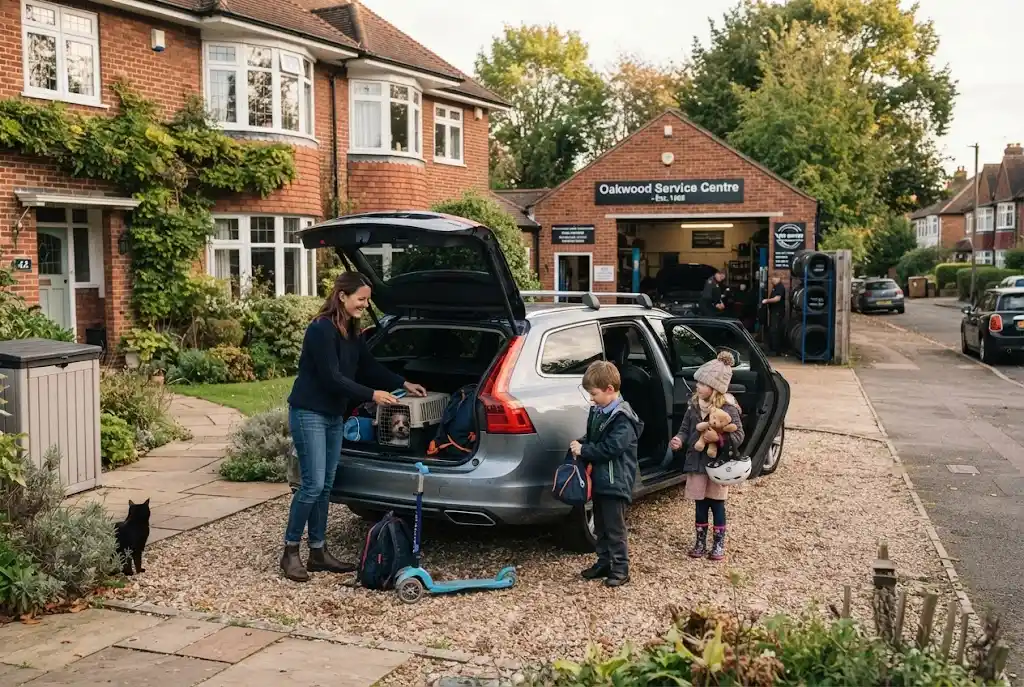
For households that rely heavily on their cars, auto care services for family life can form part of a wider approach to maintaining reliable everyday transport.
When to Use a Professional Garage
Not every maintenance task should be handled at home. Modern vehicles contain sophisticated electronic, mechanical and safety systems that may require specialist equipment and technical knowledge.
Drivers should consider professional assistance when warning lights remain illuminated, brakes feel abnormal, steering changes, the engine behaves unusually or a fault cannot be safely identified.
Independent workshops can provide servicing, diagnostics and repairs for many vehicles. Understanding the role of auto repair services from British independent garages can help motorists distinguish between routine maintenance and repairs that require specialist attention.
Rural and Urban Seasonal Differences
Seasonal vehicle requirements can also be influenced by where a motorist drives. Rural drivers may regularly encounter narrow roads, standing water, mud, uneven surfaces and longer distances between services.
Urban motorists may instead deal with congestion, repeated stopping and starting, short journeys and heavy traffic. These different patterns can influence how quickly certain components experience wear.
The wider differences between rural and urban auto service garages reflect these varied driving environments. Regardless of location, however, motorists should follow the manufacturer’s maintenance schedule and respond promptly to safety-related problems.
Building a Practical Maintenance Routine
A useful maintenance routine does not need to be complicated. Drivers can keep track of service dates, MOT deadlines, tyre checks and any recurring vehicle symptoms. Recording repairs can also make it easier to understand what work has already been completed.
Before each season, motorists can review the areas most affected by changing conditions. Winter preparation might focus on tyres, battery, lights and visibility, while summer preparation may place greater attention on cooling systems, air conditioning and long-distance readiness.
Regular checks should complement rather than replace professional servicing. The manufacturer’s recommended maintenance schedule should remain the primary reference for planned servicing.
Mobile Support When a Vehicle Cannot Reach a Garage
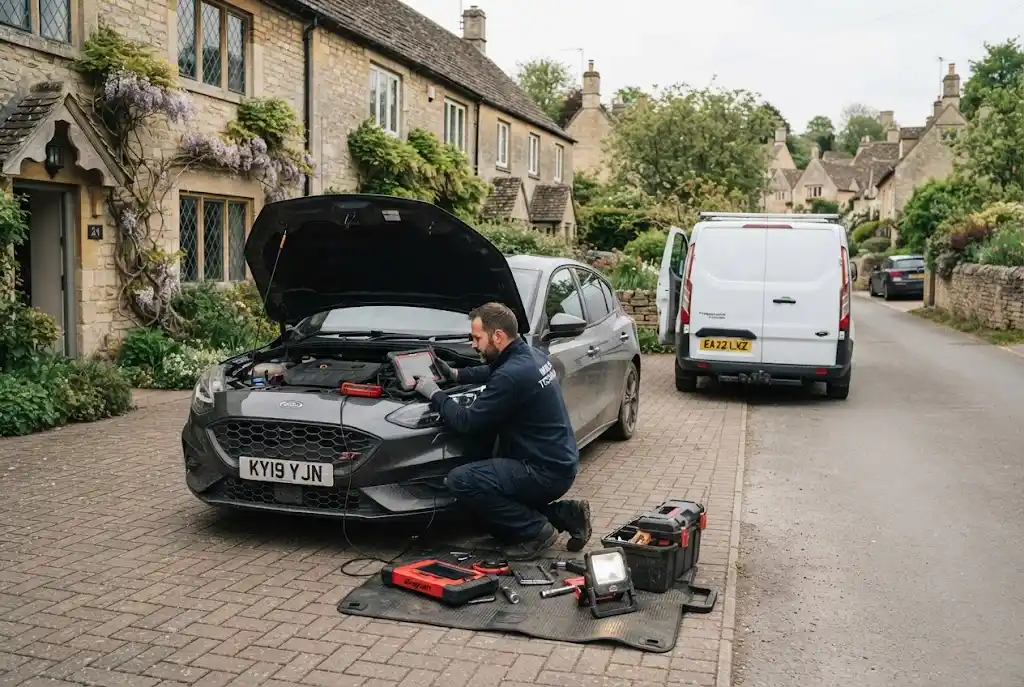
Sometimes a vehicle develops a problem at home, at work or away from its usual workshop. In these situations, mobile auto service providers may be able to assist with suitable repairs or diagnostic work at the vehicle’s location.
Mobile services are not appropriate for every fault, and some repairs require workshop equipment. However, they can provide a practical option when moving the vehicle is difficult or when a suitable roadside or home-based repair is available.
Final Thoughts on Seasonal Vehicle Care
Vehicle maintenance is an ongoing responsibility rather than a once-a-year task. Britain’s changing weather provides a useful reminder that different conditions can place different demands on a vehicle.
By following the manufacturer’s servicing schedule, checking tyres and lights, monitoring fluids, paying attention to warning signs and preparing appropriately for seasonal journeys, motorists can take a more organised approach to vehicle ownership.
Whether a driver lives in a city, town or rural community, sensible maintenance helps support safer and more dependable motoring. A combination of regular checks, professional servicing and prompt attention to faults can make it easier to keep a vehicle ready for the changing demands of British roads throughout the year.