For more than sixty years, British soap operas have been woven into the national routine: tea on the table, the theme tune starting, and half the street watching the same argument in the same fictional pub. No other genre of British television has run so long, reached so many people, or mirrored everyday life so closely. This is the story of how the British soap began, why it looks the way it does, and how it survives in the streaming age.
How British Soap Operas Began
The defining moment came on 9 December 1960, when ITV broadcast the first episode of Coronation Street. Created by a young writer, Tony Warren, it was set among the terraced houses of fictional Weatherfield and built around ordinary working-class characters at a time when television drama rarely was. The network initially commissioned only a short run; audiences had other ideas, and the programme became the longest-running television soap in the world.
Radio had paved the way — The Archers had been running on BBC radio since 1951 — but television soaps found a different rhythm: short episodes, several times a week, filmed fast and close to transmission so that stories could breathe alongside real life.
The Rivals: Emmerdale, EastEnders and the Rest
Emmerdale arrived on ITV in 1972 as Emmerdale Farm, a gentle daytime serial about a Yorkshire farming family that gradually moved to prime time and shortened its name. The BBC answered in February 1985 with EastEnders, set around Albert Square in the fictional London borough of Walford, and the two giants have traded ratings blows ever since. Channel 4 added Brookside in 1982, filmed on a real Liverpool close and willing to tackle harder subjects, and later Hollyoaks in 1995, aimed at younger viewers.
Each soap developed its own territory and tone: northern warmth in Coronation Street, rural community under pressure in Emmerdale, sharper social realism in EastEnders. Christmas Day episodes became a national ritual, with cliffhangers timed for the biggest audience of the year.
Why Every Soap Revolves Around a Pub
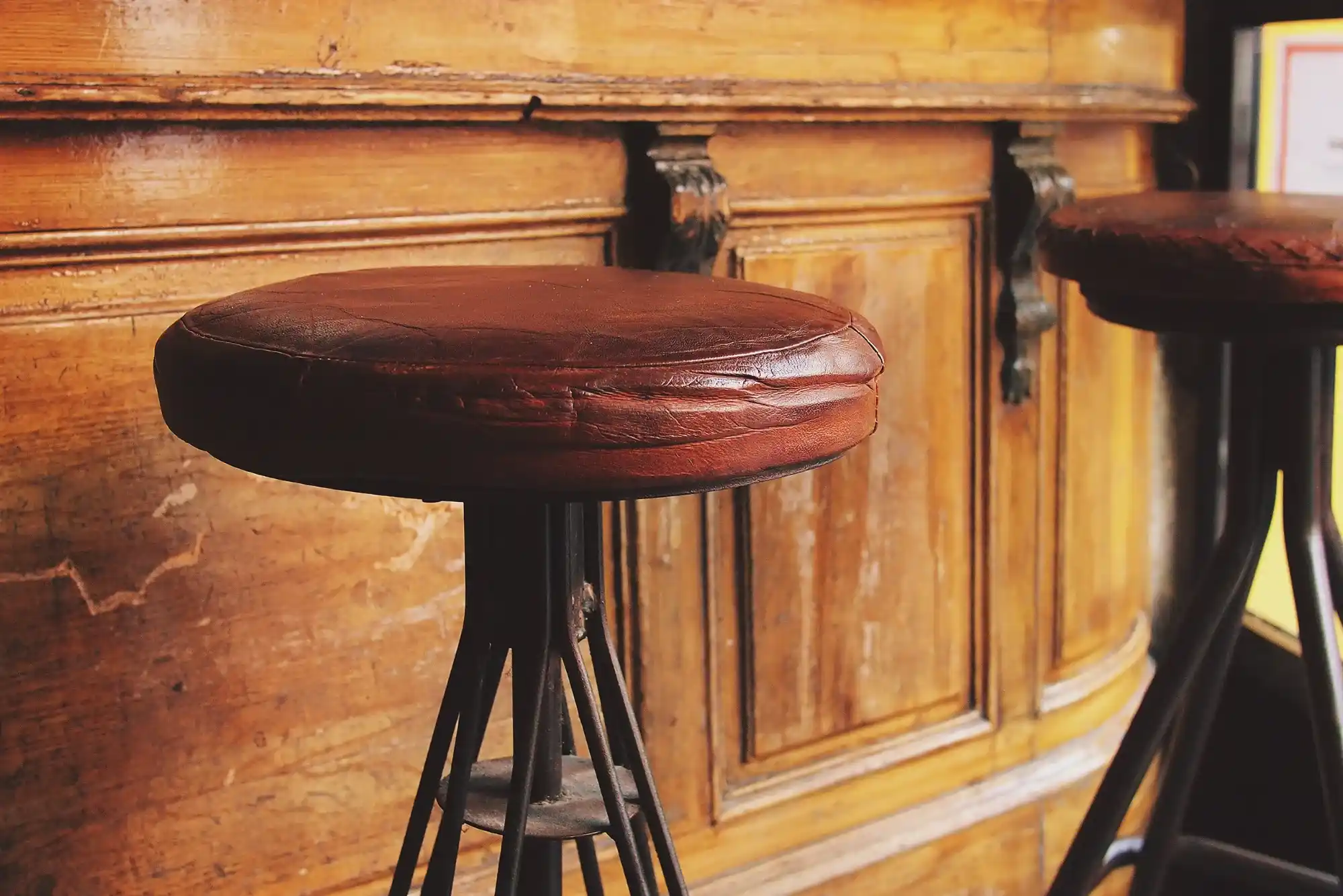
Ask anyone to picture a soap and they will probably picture a pub — the Rovers Return or the Queen Vic. That is no accident. A soap needs a place where the whole community can plausibly meet, argue, celebrate and gossip, and in Britain that place is the local. The pub in a soap does the same social work as the real thing, which our history of British pub culture explores in depth: the pub as front room, meeting hall and stage for the neighbourhood’s dramas, large and small.
The other fixed points work the same way — the café, the corner shop, the market stalls — ordinary settings where extraordinary storylines can interrupt an otherwise recognisable morning.
Storylines That Stopped the Nation
Every few years a soap storyline escapes the screen and becomes a national conversation. When Coronation Street’s Deirdre Barlow was wrongly imprisoned in 1998, the “Free Deirdre” campaign reached newspaper front pages and was even mentioned in Parliament. EastEnders built a months-long mystery around “Who Shot Phil?” in 2001, with the reveal watched by millions. Coronation Street marked its fiftieth anniversary in 2010 with a live episode built around a tram crash, a technical feat attempted precisely because the audience expected the show to honour its history in public.
The soaps also led the way on subjects television drama had avoided. Brookside broadcast the first pre-watershed lesbian kiss on British television in 1994, and all the soaps have used their reach to carry storylines about illness, addiction, domestic abuse and bereavement into living rooms that might never watch a documentary on the same themes. Charities regularly report surges in calls to helplines after major storylines air, which is one reason the programmes work with them when planning sensitive plots.
Filmed in Real Britain
Soaps have also become an unofficial tour of the country. Emmerdale’s village scenes are filmed in the Yorkshire Dales, in countryside that borders the landscapes covered by our beginner’s guide to UK national parks, and the purpose-built outdoor sets of Coronation Street and EastEnders are now visitor attractions in their own right. Location filming roots the fiction in real places, which is part of why these programmes feel like reporting from a parallel Britain rather than pure invention.
That closeness to real life extends to style. Soap characters’ weddings, hairstyles and living rooms have set high-street trends for decades, a quieter cultural influence traced in our look at British beauty culture.
British Soap Operas in the Streaming Age
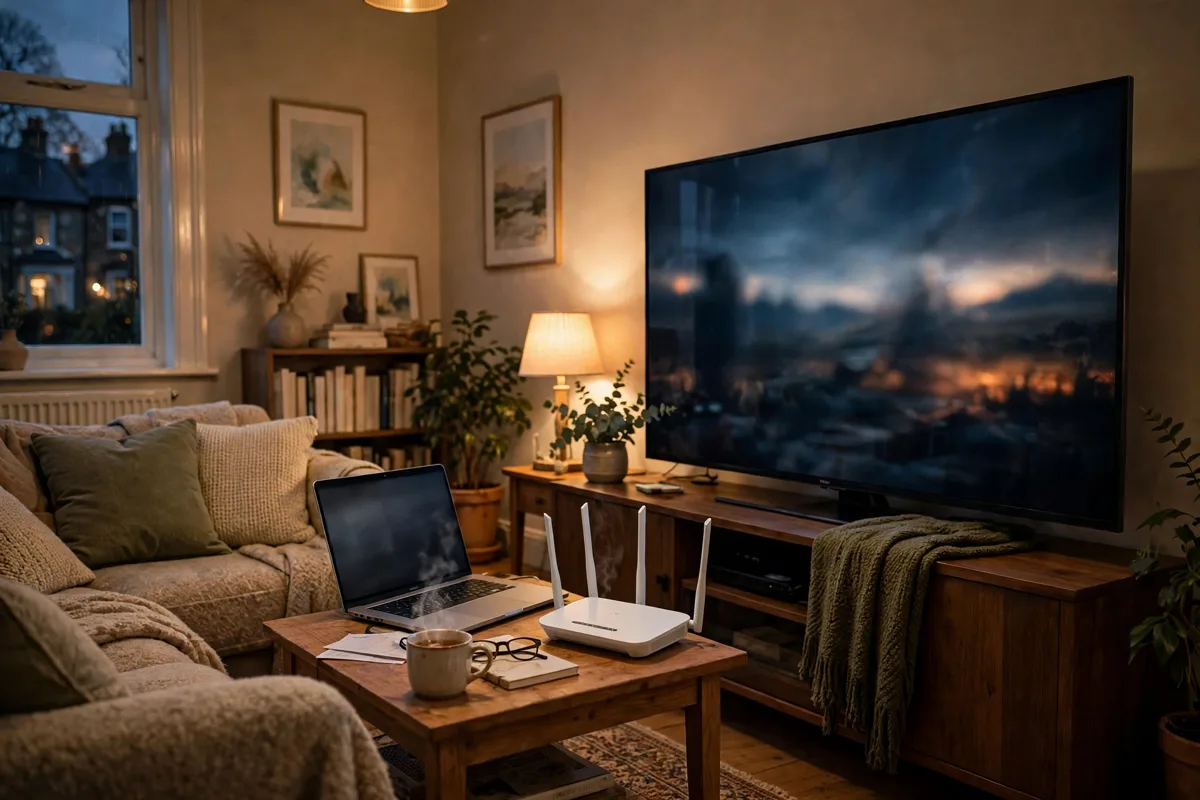
Viewing habits have changed beyond recognition. Where families once organised evenings around two set episodes, many viewers now catch up in batches, and the soaps release episodes on streaming services on the morning of broadcast. That shift is part of the wider change in how British homes watch everything, helped by the connections explained in our guide to broadband speeds. Episode counts have been trimmed and schedules shuffled, but the core bargain survives: familiar faces, continuing stories, and a version of Britain that feels like the street outside.
The industry still honours its own: the British Soap Awards have celebrated the genre since 1999, and long-serving actors are treated as national institutions. William Roache has played Ken Barlow since the very first episode of Coronation Street in 1960, a run recognised as a world record for a television actor in the same role — a living thread from the genre’s first night to the present day.
British soap operas have outlived every prediction of their decline because they were never really about the cliffhangers. They are about continuity — characters ageing alongside their audience, in places that feel known. As long as Britain recognises itself in them, the theme tunes will keep playing.