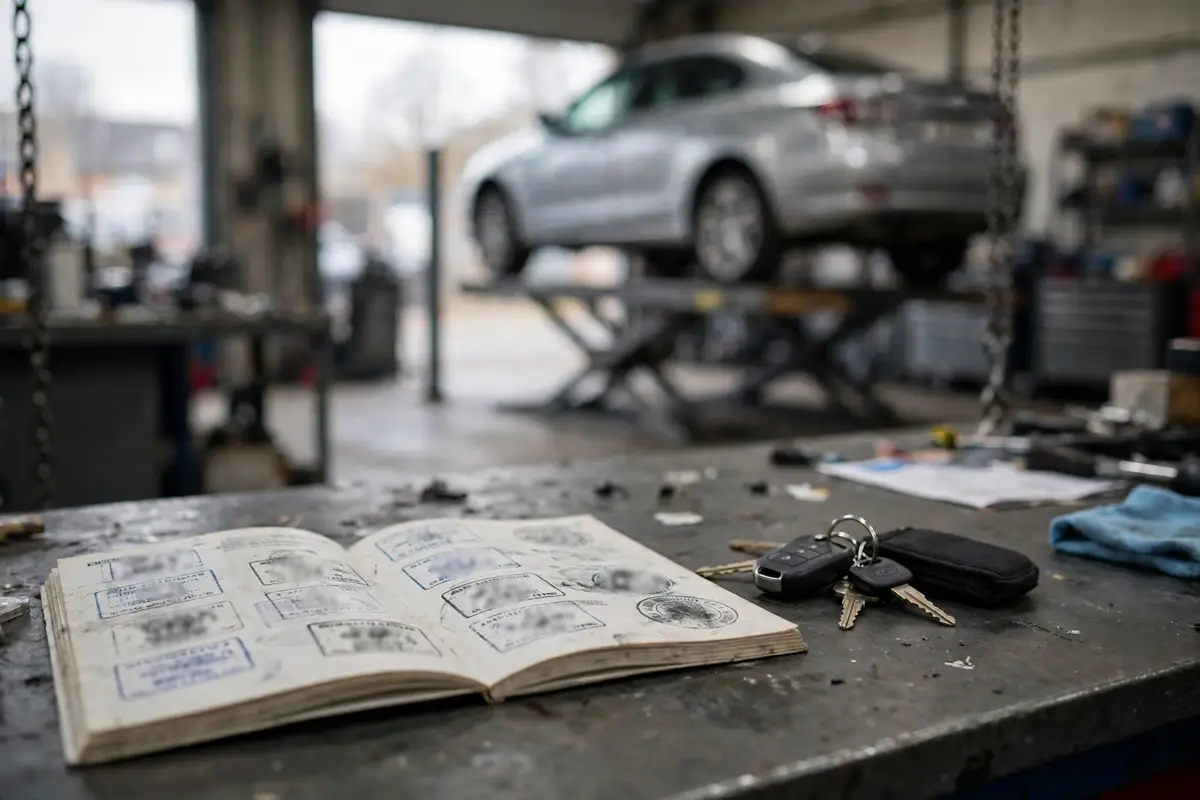
Auto repair services play an important role in communities across Britain, helping motorists deal with everything from everyday mechanical problems to more complicated vehicle faults. Independent garages, family-run workshops and local mechanics remain a familiar part of the UK’s motoring landscape, often serving drivers who live and work in the surrounding area.
For many British motorists, choosing a garage is about more than finding somewhere that can repair a car. Convenience, communication, reputation, specialist knowledge and familiarity with a vehicle can all influence that decision. As cars become more technologically advanced, local workshops are also adapting their skills and equipment while continuing to provide the practical support that communities have relied on for generations.
Why Auto Repair Services Matter to Local Communities
Vehicles are closely connected to everyday life in many parts of the UK. People depend on cars for commuting, shopping, family responsibilities, appointments and journeys where public transport may not be convenient.
When a vehicle develops a fault, the effect can therefore extend beyond the car itself. A failed battery, damaged brakes, electrical problem or engine fault can disrupt work and personal plans. Accessible auto repair services give motorists a way to have those problems investigated and addressed by professionals.
This makes local garages valuable community services. A workshop within a town, village or neighbourhood can provide practical assistance without requiring motorists to travel a significant distance for every repair.
The Role of Independent Garages in Britain
Independent garages form an important part of British garage culture. Unlike manufacturer-affiliated dealerships, independent workshops are not necessarily tied to a single vehicle brand. Many therefore work on a broad range of makes and models.
The services offered can vary considerably. Some independent garages focus on general mechanical work, while others develop expertise in areas such as diagnostics, tyres, brakes, air conditioning, exhaust systems or particular vehicle types.
For motorists, this variety can provide useful choice. A driver can look for a workshop whose equipment and expertise match the vehicle and the type of repair required.
Independent garages can also become familiar local businesses. Drivers who return to the same workshop over several years may build an ongoing relationship with the mechanics working on their vehicles.
Local Mechanics and Long-Term Relationships
A trusted mechanic can become an important part of vehicle ownership. When the same workshop maintains a car regularly, its technicians may have access to previous service and repair records and a better understanding of the vehicle’s history.
This familiarity can be particularly useful when a recurring problem appears. Rather than starting from the beginning every time, a mechanic can review previous work and consider whether the current symptoms are connected to an earlier repair.
However, motorists should still expect clear explanations. A professional workshop should be able to explain what has been identified, what work is recommended and whether the repair is urgent. For significant repairs, asking questions before authorising work can help ensure that the owner understands the proposed solution.
What Auto Repair Services Can Include
Auto repair services cover a wide range of work, and no single garage offers exactly the same package. Common areas of automotive repair include mechanical, electrical and diagnostic work.
Brake Repairs
Brake components experience normal wear and may eventually require inspection, adjustment or replacement. Changes in braking performance, unusual noises or vibrations can indicate that professional assessment is needed.
Because braking is directly related to vehicle control and safety, motorists should not ignore significant changes in how their vehicle stops.
Battery and Electrical Repairs
Modern vehicles depend on electrical systems for starting, lighting, entertainment, safety features and numerous electronic controls. Battery problems may be relatively straightforward, while electrical faults can require specialist diagnosis.
Diagnostic equipment can help technicians identify problems that may not be visible through a basic visual inspection.
Engine and Mechanical Repairs
Engine problems can range from relatively simple faults to complex mechanical issues. Warning lights, unusual noises, reduced performance or changes in fuel consumption may prompt a driver to seek professional advice.
Other mechanical systems, including suspension, steering and cooling components, may also require repair as vehicles age or components wear.
Diagnostic Services
Modern cars contain numerous electronic control systems. A dashboard warning light may therefore require more than a simple mechanical inspection.
Professional diagnostic equipment can help technicians identify stored fault information and investigate the systems associated with a problem. However, diagnostic codes are not always a complete diagnosis on their own. Skilled interpretation and additional testing may still be necessary.
Family-Run Workshops and British Garage Culture
Family-run workshops have long been associated with local garage culture in Britain. Some have operated within the same community for many years, developing relationships with generations of customers.
The appeal can be partly practical. A familiar workshop may provide continuity, particularly for motorists who prefer dealing with people they know. Local businesses can also understand the driving patterns and needs common to their surrounding area.
However, longevity alone does not guarantee that a workshop is suitable for every vehicle. Cars have changed significantly, so motorists should also consider whether a garage has the appropriate equipment, training and experience for their particular model.
Village Garages and Regional Workshops
Not every British motorist lives close to a major automotive centre. In smaller towns and rural communities, village garages can provide an especially useful service.
Rural motorists may depend heavily on their vehicles because journeys between homes, workplaces, shops and essential services can be longer. A reliable local workshop can therefore be an important practical resource.
Regional workshops also encounter a wide range of vehicles and driving patterns. Their customers may include commuters, tradespeople, families and motorists who regularly travel between rural communities and larger towns.
These local differences form part of the broader picture of vehicle maintenance across the UK. The basic principles of vehicle care remain consistent, but usage patterns can influence what motorists need from their garages.
Choosing the Right Local Garage
Choosing a garage should begin with the type of work required. A routine repair may be suitable for a general independent workshop, while a complex fault may require specialist diagnostic equipment or brand-specific expertise.
Motorists can consider several factors before booking:
- The garage’s experience with the vehicle make and model.
- The specific repair or diagnostic services offered.
- Customer feedback and local reputation.
- Whether the workshop clearly explains recommended work.
- What parts and labour are included in the quoted price.
- Whether the repair comes with an appropriate warranty or guarantee.
- Whether the workshop has suitable diagnostic and specialist equipment.
Comparing garages on the actual scope and quality of work can be more useful than choosing entirely on headline price.
Consumer guidance for car repairs in the UK highlights the importance of reasonable skill and care, suitable replacement parts and reasonable completion times where applicable. Keeping records of quotations, invoices and communications can therefore be useful if questions later arise about the work carried out.
Why Clear Communication Matters
Car repairs can sometimes involve technical language that is unfamiliar to motorists. Good communication can make the process considerably easier.
A garage should be able to describe the problem in understandable terms and explain the recommended repair. If additional work is discovered after diagnosis, the customer should have an opportunity to understand the issue before unnecessary work is authorised.
Clear invoices are useful too. A record showing the work completed, parts supplied and relevant charges can help the owner maintain an accurate history of the vehicle.
This connects closely with the wider role of car servicing in British vehicle ownership. Service records and repair invoices together provide a more complete picture of how a vehicle has been maintained.
Repairs, Servicing and MOT Testing Are Different
Motorists sometimes use the terms repair, servicing and MOT interchangeably, but they describe different types of automotive work.
Servicing involves scheduled maintenance based on the vehicle’s requirements. Repairs address faults or damaged components. An MOT is a regulated test that assesses specific safety and environmental requirements for eligible vehicles.
A vehicle can pass an MOT and still require repairs or routine servicing. Similarly, completing a service does not remove the requirement for an MOT when the test is due.
For official information about MOT testing, motorists can consult GOV.UK’s MOT guidance.
Our dedicated guide to MOT and service also explains how these different parts of vehicle ownership fit together.
How Local Garages Support Everyday Motoring
A garage’s value is often most noticeable when something goes wrong. A vehicle that refuses to start, develops a warning light or experiences a mechanical problem can quickly become a practical problem for its owner.
Local workshops can provide diagnosis, repairs and maintenance without requiring customers to travel far from home. For people who use their cars every day, this accessibility can make a significant difference.
Some garages also support customers with preventative work. Identifying worn components or developing faults during routine maintenance may allow repairs to be planned rather than handled during an unexpected breakdown.
This is one reason professional auto services remain part of everyday British motoring. Vehicle ownership works best when maintenance and repairs are treated as ongoing responsibilities rather than occasional emergencies.
The Changing Skills Behind Local Auto Repairs
Today’s vehicles are very different from many cars that were on British roads several decades ago. Electronic control units, sensors, driver-assistance systems, hybrid powertrains and electric vehicles have introduced new technical requirements.
Local garages have consequently had to adapt. Traditional mechanical knowledge remains valuable, but technicians may also need electronic diagnostic skills and specialised training.
For motorists, this means that the right garage depends partly on the vehicle. A workshop that is excellent at conventional mechanical repairs may not necessarily have the equipment or expertise required for a complex fault on a newer hybrid or electric vehicle.
Checking a garage’s capabilities before booking can therefore save time and help ensure the vehicle receives appropriate attention.
Supporting Local Automotive Businesses
Local garages are businesses within the communities they serve. When motorists choose reputable independent workshops, they are also using local services that may employ technicians and support other nearby businesses.
The independent garage sector is part of a much broader network of British trades. A workshop may purchase parts from automotive suppliers, use specialist diagnostic equipment, work with tyre businesses or coordinate with body repair specialists. These connections help create a wider local commercial ecosystem.
This does not mean motorists should choose a garage solely because it is local. Quality, competence, transparency and suitability for the vehicle should remain important considerations. Nevertheless, a strong network of reliable regional workshops can make vehicle ownership more convenient for communities across Britain.
For smaller towns and villages, having access to automotive expertise nearby can be particularly valuable. It can reduce the need for long journeys when a vehicle requires routine work or urgent repairs.
Keeping a Useful Repair History
Maintaining records of repairs is a simple but useful ownership habit. Dates, mileage, invoices and details of significant work can help motorists understand how their vehicle has been maintained.
These records can also help a future mechanic diagnose problems. If a component has recently been replaced, for example, the information may be relevant when investigating a new fault.
A documented repair history can also be useful when selling a vehicle. Prospective buyers may want evidence that the car has received appropriate care throughout its ownership.
Auto Repair Services in the Future of British Motoring
The role of local mechanics is likely to continue changing as vehicles become more connected, electrified and software-dependent. Electric vehicles have fewer conventional engine components but still require attention to tyres, brakes, suspension, steering, electrical systems and other vehicle components.
Advanced technology will therefore change the nature of some repairs without removing the need for automotive professionals. Instead, successful workshops will increasingly combine traditional practical skills with modern diagnostics and specialist knowledge.
Why Local Garages Remain Important
Auto repair services remain an important part of British communities because vehicles are still central to everyday life for millions of motorists. Independent garages, local mechanics, family-run workshops and regional specialists provide practical support when vehicles need attention.
The best garage for a particular driver will depend on the vehicle, repair required and workshop’s capabilities. Reputation and convenience matter, but so do technical competence, transparent communication and appropriate equipment.
As British motoring continues to evolve, local automotive businesses will need to evolve with it. Yet the basic relationship between motorists and trusted repair professionals is likely to remain familiar: drivers need dependable vehicles, and communities need skilled people who can help keep those vehicles working properly.