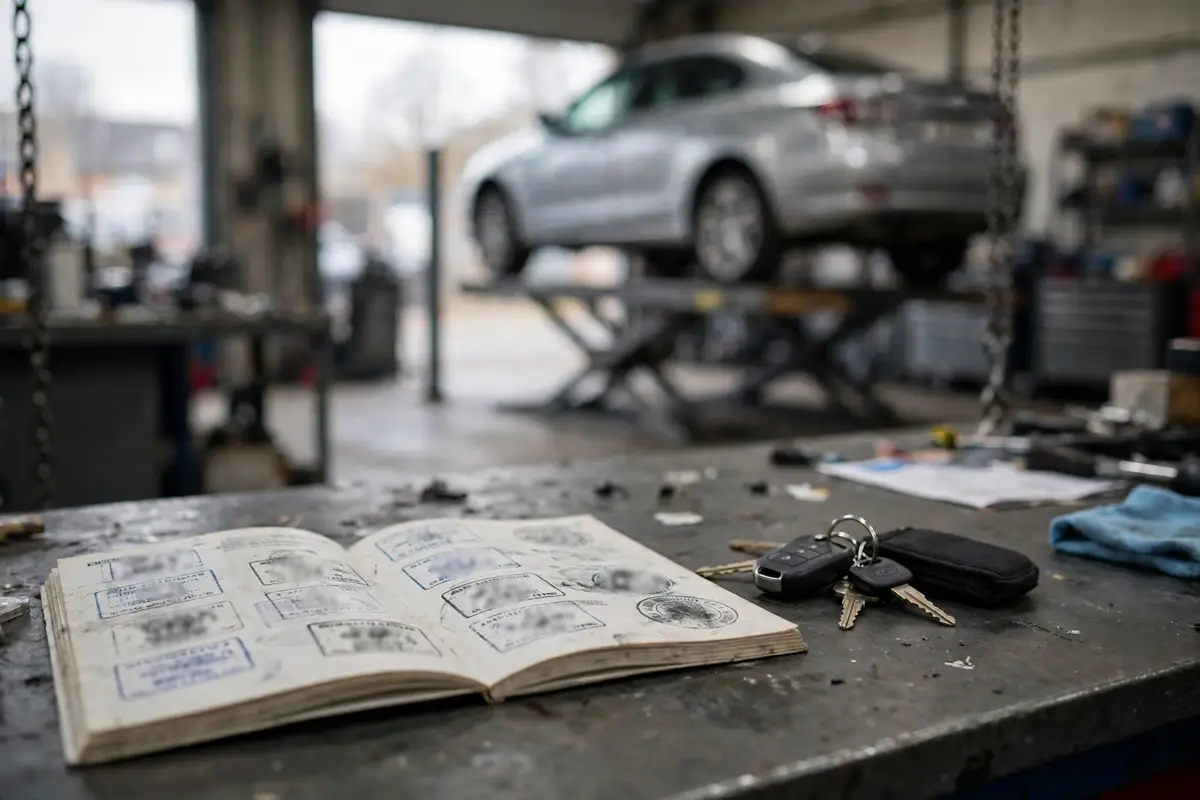
Vehicle maintenance is an essential part of responsible car ownership in the UK. Regular checks, scheduled servicing and prompt repairs can help motorists keep their vehicles dependable while addressing problems before they become more disruptive. From busy city roads to rural routes, different driving conditions can influence the way vehicles are used and maintained.
For British motorists, maintenance is not limited to taking a car to a garage when something goes wrong. It includes everyday checks, manufacturer-recommended maintenance schedules, seasonal preparation and professional attention when a vehicle develops a fault. Understanding these responsibilities can make vehicle ownership more predictable and help drivers make better decisions about their cars.
Why Vehicle Maintenance Matters in Britain
Cars face a wide range of driving conditions across the UK. A vehicle used mainly for short urban journeys experiences different demands from one regularly driven on motorways or rural roads. Weather, traffic, road surfaces, mileage and driving habits can all influence how quickly certain components wear.
That makes consistent vehicle maintenance particularly useful. Regular attention gives motorists an opportunity to notice changes in their cars and deal with maintenance requirements at an appropriate time.
Maintenance also works alongside professional auto services for British motorists. While drivers can perform basic checks themselves, garages and qualified technicians are better placed to handle specialist inspections, servicing, diagnostics and mechanical repairs.
Understanding Vehicle Maintenance Schedules
Every vehicle has its own maintenance requirements. Manufacturers typically provide recommended service intervals based on factors such as mileage, time and vehicle usage. These recommendations should be treated as the starting point for planning maintenance.
Some cars require servicing after a particular mileage, while others may use time-based intervals or flexible service systems. The vehicle handbook or manufacturer’s official guidance is therefore more useful than relying on a generic schedule.
Drivers should keep track of when maintenance has been completed. Service invoices and other records can make it easier to determine what has already been done and what may be due next.
Why Mileage Is Not the Only Consideration
Two vehicles with the same mileage may have experienced very different conditions. A car that spends much of its time in stop-start urban traffic may experience different wear from one used primarily for longer motorway journeys.
Short trips can also mean that an engine frequently operates for relatively brief periods. Likewise, vehicles that regularly carry heavy loads or travel on challenging roads may require closer attention to particular components.
Preventive Maintenance for Everyday Motoring
Preventive maintenance means addressing routine care before a problem becomes a breakdown. It is a practical approach because small maintenance tasks are often easier to manage when they are planned rather than discovered unexpectedly.
Basic checks can include tyre condition and pressure, lights, fluid levels and visible signs of damage. Drivers should also pay attention to warning lights and changes in the way a vehicle behaves.
Unusual vibrations, unfamiliar noises, changes in braking performance, difficulty starting or warning indicators can all justify further investigation. A vehicle that appears unsafe should not simply be driven until its next scheduled service.
Tyres, Brakes and Other Safety-Critical Areas
Some parts of a vehicle deserve particular attention because they directly affect how safely it can be controlled. Tyres provide contact with the road, while brakes are essential for slowing and stopping the vehicle.
Drivers can check tyre pressures against the manufacturer’s recommended figures and inspect tyres for visible damage or unusual wear. Tread should also be monitored rather than waiting until a problem becomes obvious.
Brake problems can sometimes present themselves through noises, vibrations or changes in pedal feel. If something feels different, professional inspection is sensible. Brake components can require specialist assessment, particularly when wear or mechanical faults are suspected.
Lights are another straightforward area for drivers to monitor. Headlights, brake lights, indicators and other exterior lighting help drivers communicate with other road users and maintain visibility.
Vehicle Maintenance Across Different UK Driving Conditions
Driving conditions vary considerably across Britain. Major cities can involve congestion, frequent stops and short journeys, while rural areas may feature narrower roads, bends, uneven surfaces and longer distances between services.
Motorway driving presents its own demands. Vehicles may spend extended periods at higher speeds, making tyre condition, fluid levels and general mechanical condition important before longer journeys.
Coastal areas can also expose vehicles to different environmental conditions, while drivers in colder parts of the country may encounter frost, ice and more challenging winter weather. These differences do not create entirely separate maintenance rules, but they can influence what owners should pay attention to.
Understanding these differences is useful when considering regional driving habits. A maintenance routine should reflect the actual way a vehicle is used rather than following assumptions based solely on where the owner lives.
Seasonal Vehicle Maintenance in the UK
British weather changes throughout the year, so seasonal checks can complement regular maintenance. Winter preparation is particularly useful because colder temperatures, wet roads, frost and reduced daylight can create additional challenges for drivers.
Before winter journeys, motorists can check their tyres, lights, windscreen washer fluid and other basic areas. Battery condition may also become more noticeable when temperatures fall, particularly on older vehicles.
Summer brings different considerations. Longer journeys and holiday travel can increase annual mileage, while vehicles may carry more passengers and luggage. Checking tyres, fluids and general condition before a long trip can help identify issues before departure.
These seasonal habits should complement rather than replace the manufacturer’s maintenance programme.
Vehicle Maintenance and British Garage Culture
Professional garages remain an important part of vehicle ownership across the UK. Independent workshops, family-run businesses, franchised dealers and specialist garages all provide different forms of automotive support.
For routine maintenance, some motorists develop long-term relationships with local mechanics. Familiarity with a vehicle’s history can make future conversations easier, particularly when a recurring issue needs investigation.
However, motorists should choose a garage based on the vehicle’s requirements and the workshop’s capabilities. Specialist vehicles or complex faults may require equipment and expertise that not every workshop provides.
Our guide to auto repair services and local garages explores the role of independent mechanics and community workshops in British motoring.
DIY Checks Versus Professional Maintenance
There is a useful distinction between simple checks that many motorists can carry out and maintenance that should be handled by a suitably qualified professional.
Checking tyre pressures, washer fluid and exterior lights can form part of an owner’s routine. More complicated tasks involving braking systems, engine components, electrical systems or specialist diagnostics may require professional knowledge and equipment.
Drivers should not attempt repairs they are not equipped or qualified to perform. A seemingly minor issue can involve a more significant underlying fault, particularly with modern vehicles that contain complex electronic systems.
Keeping Useful Maintenance Records
Good records can make vehicle maintenance much easier to manage. A simple record of servicing, repairs, replacement parts and other significant work provides a useful history of the vehicle.
Records can also prevent unnecessary duplication. If a component was recently replaced, knowing when the work was completed can help a garage assess whether a new problem is related to that component or requires a different diagnosis.
For motorists planning to sell their cars, a clear maintenance history can also help explain how the vehicle has been cared for during ownership.
Vehicle Maintenance and the MOT
The MOT is an important part of vehicle compliance in Britain, but it should not be treated as a replacement for maintenance. An MOT assesses specific legal safety and environmental requirements at the time of testing.
A vehicle can therefore pass an MOT while still needing routine servicing or attention to components that fall outside the scope of the test. Similarly, completing a service does not remove the requirement for an MOT when one is legally due.
Drivers can learn more about the distinction between routine maintenance, servicing and testing through our guide to MOT and service requirements.
For official information, motorists can also consult GOV.UK’s MOT guidance, which explains the purpose of the test and related requirements.
Common Vehicle Maintenance Mistakes to Avoid
One of the easiest mistakes is ignoring small warning signs. A strange noise or dashboard warning may seem inconvenient to investigate, but delaying attention can allow a fault to develop further.
Another common mistake is relying entirely on the MOT date. Because an MOT is a point-in-time assessment rather than a complete maintenance programme, motorists still need to care for their vehicles throughout the year.
Skipping scheduled servicing can also make maintenance harder to manage. Manufacturer recommendations exist for a reason, and drivers should understand the requirements for their particular vehicle rather than assuming all cars follow the same timetable.
Finally, motorists should avoid choosing maintenance work based solely on the lowest advertised price. The scope of work, parts used, technician expertise and garage reputation can all matter when comparing options.
Building a Practical Maintenance Routine
A sensible routine does not need to be complicated. Drivers can begin by understanding their manufacturer’s service schedule and recording when important maintenance is completed.
Regular visual checks can then become part of everyday ownership. Before longer journeys, checking tyres, lights, fluid levels and other basic areas is a useful habit. If anything appears unusual, professional advice can be sought before the journey.
Drivers should also pay attention to their normal driving experience. Because owners use their vehicles regularly, they may be the first people to notice changes in engine behaviour, braking, steering or ride quality.
Combining these simple habits with professional servicing creates a more complete approach to vehicle care.
The Future of Vehicle Maintenance
Vehicle technology is changing rapidly, and maintenance is evolving with it. Electric and hybrid vehicles have different powertrain requirements from conventional petrol and diesel cars, while modern vehicles increasingly depend on electronic systems and computerised diagnostics.
As a result, the definition of professional vehicle maintenance continues to expand. Garages may need specialist diagnostic equipment, software knowledge and training alongside traditional mechanical skills.
For motorists, the principle remains straightforward: use a maintenance provider with the appropriate knowledge and equipment for the vehicle being serviced or repaired.
Why Vehicle Maintenance Should Be Part of Everyday Ownership
Vehicle maintenance is not a single task carried out once a year. It is an ongoing part of responsible British vehicle ownership that combines basic driver checks, scheduled servicing, preventive care and professional repairs when required.
Regional driving conditions, seasonal weather and individual usage patterns can all influence how a vehicle is treated. Nevertheless, the fundamentals remain consistent: follow the manufacturer’s recommendations, pay attention to warning signs, maintain important safety components and keep useful service records.
For British motorists, these habits can make everyday motoring more organised and predictable. A well-planned maintenance routine also complements servicing, MOT testing and professional auto repair services, creating a broader approach to keeping vehicles in suitable condition for life on UK roads.